
Top 12 Best Gas Weed Eater That Will Blow Your Mind!
Struggling with a cheap weed eater that sputters or barely cuts through thick grass is a common frustration for many homeowners. The best gas weed eater delivers consistent power and durability that cheap models often lack, allowing you to tackle overgrown patches without constant refueling or breakdowns.
A poorly chosen gas weed eater can lead to wasted time, clogged lines, and uneven trimming that makes yard work more of a chore than it needs to be.
Durability and engine size often separate a reliable gas weed eater from a less effective one. A two-cycle engine around 25 to 30 cc provides enough power for most residential jobs, while heavier duty garden tasks might need closer to 40 cc. The build quality of the shaft and cutting head also matters, as aluminum shafts tend to last longer than plastic ones.
Easy access to the fuel tank and simple start mechanisms help reduce downtime, and a well-balanced design limits fatigue during extended use.
Need a Quick Check?
| Image | Product | Price |
|---|---|---|
Our Top Picks 1  | Husqvarna 130L Trimmer | Check Price |
Our Top Picks 2  | Husqvarna 122C Trimmer | Check Price |
Our Top Picks 3 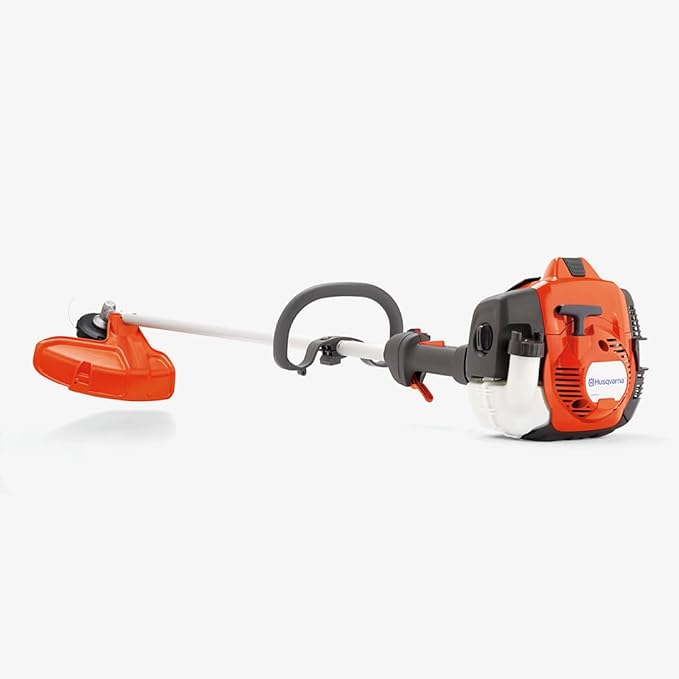 | Husqvarna 525L Trimmer | Check Price |
Our Selected Top 12 Gas Weed Eater for Every Budget
This list features a variety of gas-powered weed eaters suitable for different needs and budgets. Each review covers performance details, ideal user scenarios, and highlights the strengths and weaknesses to help you choose the right tool for your yard care tasks.
1. Husqvarna 130L Gas String Trimmer
Cutting thick grass and weeds around the yard can be a hassle without the right tool. Ideal for anyone who needs a reliable gas trimmer, the Husqvarna 130L stands out for its easy string replacement system, making quick work of tough landscaping jobs. Perfect when you want power and convenience combined.
Starting the trimmer is straightforward thanks to the digital ignition, which works well in different weather conditions. The rapid replace trimmer head lets you swap out string without extra fuss, just align, load, and twist. Its straight shaft design helps reach tight spots, while the 18-inch cutting width covers a good amount of ground without frequent passes.
The 28-cc engine operates at up to 8,000 rpm, cutting through thick grass efficiently. The build feels solid enough for regular yard work, with a design focused on durability.
The simplest feature of this model is the quick startup, although some users mention it can feel heavy during extended use.
The rapid replace trimmer head and easy startup get plenty of praise, making yard work faster and less frustrating. Weight is the most common drawback, especially for those handling longer trimming sessions.
People who want a durable and powerful trimmer with quick string replacement will appreciate this model. Those looking for something lighter or highly maneuverable might want to consider alternatives.
Pros
- Rapid Replace trimmer head for quick line changes
- Startup is quick and smooth thanks to the digital ignition.
- 18-inch cutting width covers more ground
- Strong 28-cc engine powers through thick weeds
Cons
- Can feel heavy during extended use
- Some find the straight shaft less maneuverable
| Specification | Details |
|---|---|
| Power Source | Gas Powered |
| Cutting Width | 18 inches |
| Engine Size | 28 cc |
| Speed | 8,000 rpm |
2. Husqvarna 122C Gas String Trimmer
Offering a 17-inch cutting width, this curved shaft gas trimmer is built to handle yard work around obstacles with ease. The low noise 22-cc engine stands out for allowing you to work without loud distractions.
It suits homeowners needing power and maneuverability in a gas-powered trimmer.
Starting the trimmer is straightforward thanks to Smart Start technology combined with Air Purge, which clears air from the carburetor to make starting trouble-free. The Tap N’ Go trimmer head lets you quickly feed line by tapping it on the ground, saving time during trimming sessions. The weight and curved shaft design help with controlling the trimmer around trees and garden beds.
At 8000 rpm, the engine pushes through thick grass nicely and the construction feels solid enough for regular use. Cleaning is straightforward, but one common gripe is the need to replace line fairly often when tackling dense areas.
The heavy-duty twin line system cuts efficiently without frequent jams or breaks, making yard work more productive.
Strong points focus on the easy starting system combined with a quieter engine that eases day-to-day use. The most noted drawback is frequent line changes during intensive trimming, which some find inconvenient. The trimmer provides consistent cutting power and good build quality throughout.
Anyone looking for a reliable gas trimmer that balances power and noise will find this model useful. Those planning extended heavy use or preferring a straight shaft design might explore other options better suited for long hours or specific posture preferences.
Pros
- Low noise engine for quieter operation
- Tap N’ Go head for quick line feeding
- Smart Start technology reduces starting effort
- 17-inch cutting width covers ground efficiently
Cons
- Requires frequent line replacement when used heavily
- Curved shaft may be less comfortable for long sessions
| Specification | Details |
|---|---|
| Power Source | Gas Powered |
| Cutting width | 17 inches |
| Engine size | 22 cc |
| Speed | 8000 rpm |
3. Husqvarna 525L Gas String Trimmer
Anyone needing precise trimming in tight spots around the yard will appreciate a tool with a 17-inch cutting width and easy handling. Perfect for those who want straightforward control and reliable power for everyday grass trimming around obstacles where a mower can’t reach.
Starting up is simple thanks to Smart Start Technology, which makes firing up quick and smooth without much fuss. The Tap-n-Go head makes reloading string fast, avoiding downtime in the middle of the job. Controls like choke and purge help get the engine ready and keep it running right through your work session, making yard maintenance less of a chore.
Cutting through grass and weeds is solid with a gas-powered motor designed for consistent power in tighter areas. The straight shaft offers good reach and balance, which keeps handling comfortable over time. Most praise mentions how easily it starts and the trimming head’s quick-feed feature.
The most frequent complaint comes down to the weight feeling a bit heavy during longer trimming projects.
Users find the starting system very reliable and the Tap-n-Go head really simple to refill on the fly. The main downside mentioned is the noticeable weight that can become fatiguing during extended trimming tasks.
This trimmer suits those who want steady performance in smaller, detailed areas rather than bulk cutting. Yard workers looking for something lighter or capable of heavier brush clearing might look toward other models.
Pros
- Easy starting with Smart Start technology
- Tap-n-Go head refills string quickly
- Good cutting width for precise trimming
- Intuitive choke and purge controls
Cons
- Heavier weight can tire during long use
- Only suitable for trimming, not heavy brush
| Specification | Details |
|---|---|
| Power Source | Gas Powered |
| Cutting width | 17 inches |
| Trimmer head type | Tap-n-Go |
| Shaft type | Straight |
4. Husqvarna 330LK Gas String Trimmer

The Husqvarna 330LK Gas String Trimmer is designed for large yards, featuring an adjustable cutting width that switches between 20 inches for wide coverage and 18 inches for thicker vegetation. Great for anyone needing powerful performance and versatile use around their property.
Starting up involves the typical gas trimmer routine, but the Rapid Replace trimmer head makes string changes surprisingly quick. The straight shaft design keeps the tool balanced during prolonged use, and the detachability means you can swap attachments easily when needed.
Holding and maneuvering it feels natural, even when covering wide areas or thick brush.
It cuts through thick grass and weeds smoothly at 8000 rpm, proving strong enough for most yard maintenance tasks. The build quality feels solid with durable materials, though a couple of users notice it can feel a bit heavy after extended sessions.
Reloading the string without fuss is a big plus for keeping work going without interruptions.
The most appreciated feature is the Rapid Replace trimmer head, making string reloading a quick and straightforward task compared to other gas trimmers. A common drawback mentioned is the weight, which can become noticeable during extended jobs, causing some user fatigue.
This trimmer suits someone with a large yard looking for a powerful, versatile tool to tackle various types of weeds and grass. Those needing something lighter or not interested in attachments might prefer a different model more focused on ease of use or simplicity.
Pros
- Customizable cutting width for versatility
- Rapid Replace trimmer head simplifies string changes
- Attachment-capable for multiple property tasks
- Strong 8000 rpm motor for thick vegetation
Cons
- Can feel heavy during long use
- Attachments sold separately, adding to cost
| Specification | Details |
|---|---|
| Power Source | Gas Powered |
| Cutting width | 20 inches |
| Speed | 8000 rpm |
| Shaft type | Straight with detachable shaft |
| Attachment Capable | Yes, with click-on tools (sold separately) |
5. Multi-Function 26cc Gas Weed Eater

Multi-Function 26cc Gas Weed Eater handles multiple yard tasks with one machine, perfect for homeowners needing versatility. Its biggest strength lies in switching between string trimming, edging, hedge trimming, and brush cutting without extra tools.
Setting up involves mixing fuel at a precise 25:1 ratio to ensure optimal performance. The 26cc gas engine starts reliably and runs strong for trimming tall grass or thick brush.
Changing attachments is straightforward, so daily tasks from lawn edges to hedges flow without interruption.
Performance stands out for cutting through dense vegetation and brushing through overgrown areas with ease. The build feels durable enough for regular use, though some note heaviness during extended work.
Most praise the all-in-one design while some find it less convenient in California due to shipping restrictions.
The strongest praise highlights the convenience of having four different yard tools in a single device, making yard work efficient. The most frequent complaint concerns shipping and sales restrictions that exclude California buyers, limiting who can use this product.
Those needing a flexible tool for various outdoor tasks will appreciate this model’s design. People in California or those seeking a lighter mower for prolonged use might prefer other options with fewer restrictions and lighter builds.
Pros
- Four tools combined in one unit
- Powerful 26cc engine handles thick vegetation
- Switching attachments is quick and easy
- Saves space and money for yard maintenance
Cons
- Cannot be sold or shipped to California
- Can feel heavy during long use sessions
| Specification | Details |
|---|---|
| Power Source | Gas Powered |
| Engine | 26cc 2-cycle EPA |
| Cutting Width | 10 inches |
| Fuel-Oil Ratio | 25:1 (1L:40ml / 1 gal:151.4ml) |
| Functions | String trimmer, wheeled edger, hedge trimmer, brush blade |
6. Wild Badger 26cc 3-in-1 Gas String Trimmer

Using the Wild Badger 26cc 3-in-1 Gas String Trimmer feels solid for tackling different lawn tasks. It suits those who need a versatile tool for grass, edging, and brush cutting without juggling multiple machines. Its biggest strength lies in the dual cutting attachments that switch easily to handle light and heavy vegetation.
Setup is straightforward with a shoulder strap that makes it easier to carry during longer trimming jobs. The 26cc 2-cycle full-crank engine provides smooth starting and steady power, running at 9000 rpm. Changing between the 17-inch string trimmer for grass and edging and the 10-inch brush cutter blade for tougher weeds keeps yard work versatile and manageable.
Performance matches expectations for a machine in this class, cutting cleanly through grass and thicker brush when using the blade attachment. The full-crank design feels sturdier and less prone to vibration than half-crank models. Most praise highlights the reliable power and solid build, while complaints often mention the weight can be tiring during extended use.
The reliable power from the full-crank 26cc engine and the option to switch between string trimmer and brush cutter attachments make this trimmer suitable for varied yard conditions. Commonly, users note it handles thick brush well but can be tiring to operate for long periods due to its weight.
People looking for a versatile gas weed eater that handles both grass and heavier vegetation will appreciate this model. Those who need something lighter or primarily for simple grass trimming might want to consider a lighter or electric option instead.
Pros
- Two cutting attachments for versatile yard work
- Full-crank engine for stable power delivery
- Shoulder strap eases carrying during use
- Wide 17-inch cutting swath for faster trimming
Cons
- Can feel heavy during prolonged use
- Engine maintenance needed for smooth operation
| Specification | Details |
|---|---|
| Power Source | Gas Powered |
| Engine Size | 26cc 2-Cycle Full-Crank |
| Cutting Width | 17 inches |
| Speed | 9000 rpm |
| Attachments | 17-inch string trimmer and 10-inch brush cutter blade |
| Included | Shoulder strap |
7. 52cc Multi-Function Gas Weed Wacker

Great for anyone wanting a single tool that does it all, this gas weed wacker handles everything from trimming grass to cutting branches. Its biggest strength lies in combining six functions into one powerful 52CC engine, making yard work less about switching tools and more about getting the job done.
Setting up involves attaching different heads depending on the task, which slides on easily. Day-to-day use is practical with a 10-inch cutting width and stable 8500 rpm speed that keeps things moving.
The ability to change between string trimmer, blades, hedge trimmer, and pole saw makes it versatile for varied garden tasks.
Cutting performance is strong thanks to the 2HP output, handling grass, brush, and even thicker branches well. The build feels solid and reliable, suited for heavy-duty garden work.
Reviews mention impressive power but point out the tool can feel a bit heavy and noisy during extended use.
Strong cutting power and six-in-one functionality make yard maintenance efficient and less cluttered with equipment. The tool is reported as heavy and noisy, which may be tiring over extended use.
Folks who want one machine to handle diverse gardening jobs will find this very useful. Those needing something lightweight or quieter for small yards might want to consider alternatives.
Pros
- Six functions replace multiple tools
- Powerful 52CC engine with solid 2HP output
- Swaps attachments quickly for different tasks
- 10-inch cutting width covers most trimming jobs
Cons
- Can feel heavy during long periods
- Loud noise when running at full speed
| Specification | Details |
|---|---|
| Power Source | Gas Powered |
| Engine Size | 52CC |
| Cutting width | 10 inches |
| Speed | 8500 rpm |
| Engine Type | 2-Stroke |
| Output Power | 2HP |
8. Vevor 63cc 5-in-1 Gas Hedge Trimmer

Built with a powerful 63CC 2-stroke engine, this 5-in-1 gas hedge trimmer is designed for tackling a variety of yard tasks. It suits those needing a versatile tool able to handle everything from lawn edging to thick branch cutting without relying on batteries.
Its biggest strength lies in its multi-functionality combined with consistent gas-powered performance.
Setup involves attaching the right cutting head for the task, whether that’s the hedge trimmer, string trimmer, brush cutter with 3T or 40T blades, or the pole saw. Day-to-day use benefits from the included protective gear like goggles and ear muffs, keeping you safe from debris and noise.
The PP deflector adds extra safety, and the cordless design means no tangled cords during work.
Performance is strong thanks to the 8500 rpm engine speed, easily cutting through tough branches and vines. The build feels solid and designed for extended use without frequent refueling.
The most praised feature is the powerful engine that doesn’t require charging. A common downside is the tool’s weight, which can be tiring during long sessions.
The strongest praise is for its powerful engine capable of cutting thick branches and versatile tool heads that cover multiple yard tasks. The most common complaint relates to the tool’s weight, which can make longer sessions tiring and affect handling precision.
Gardeners looking for a durable, all-in-one gas trimmer to handle a variety of yard tasks will appreciate this machine. Those who prioritize lightweight tools or require precision trimming for delicate areas might want to consider lighter or electric alternatives.
Pros
- Multi-functional with five tool options
- Powerful 63CC 2-stroke engine
- Protective gear included for safety
- Cordless operation avoids tangled cords
Cons
- Can feel heavy during extended use
- Some users find it hard to handle for precise work
| Specification | Details |
|---|---|
| Brand Name | VEVOR |
| Model Number | CN-650C |
| Engine | 63CC 2-stroke |
| Engine Speed | 8500 rpm |
| Item Type | 2 Cycle Gas Power Handheld Hedge Trimmer |
| Included Tools | Hedge Trimmer, String Trimmer, Brush Cutter (3T & 40T Blades), Pole Saw |
9. 51.7cc 4-in-1 Gas Weed Wacker

Power stands out as the first thing you notice with this 51.7cc gas weed eater, built for anyone needing a machine that handles various yard tasks. Its 4-in-1 design tackles trimming, cutting brush, and even sawing, making it ideal for large or overgrown properties where versatility and strength count the most.
Setup involves attaching one of the four cutting heads depending on the job, which keeps it handy for different types of vegetation. Daily use benefits from a 16-inch dual-line trimmer and other blade options, helping to switch between light trimming and tougher cutting tasks without changing tools.
The gas-powered engine means no cords to worry about, though mixing fuel and oil is part of maintenance.
Performance is solid thanks to a powerful 51.7cc 2-cycle engine delivering 2 HP and up to 10,000 RPM, which handles grass and brush with ease. Build quality feels rugged, able to hold up under heavier garden chores. High praise focuses on its impressive power and versatility, while the main complaint touches on its weight making longer sessions tiring.
The most common positive comment is about the machine’s power and its ability to switch between trimming, brush cutting, and sawing, which suits various yard needs. The frequent complaint involves the weight, which can make it difficult to handle comfortably over longer periods.
People needing a heavy-duty, multi-functional trimmer for large or diverse outdoor spaces will find this very useful. Those looking for a lighter option or needing a model approved for California should consider alternatives instead.
Pros
- Four cutting tools in one machine
- Strong 2 HP engine for heavy-duty tasks
- 16-inch cutting width covers wide areas
- Handles different yard jobs without switching devices
Cons
- Not CARB certified, limited sales areas
- Weight may cause fatigue during extended use
| Specification | Details |
|---|---|
| Power Source | Gas Powered |
| Engine Size | 51.7CC |
| Cutting Width | 16 inches |
| Engine Speed | 10,000 rpm |
| Engine Type | 2-Cycle |
| Horsepower | 2 HP |
10. Senix 26.5cc Gas String Trimmer

Ideal for anyone who wants to avoid mixing gas and oil, the Senix 26.5cc Gas String Trimmer offers a cleaner, simpler engine experience with its patented 4-cycle technology. It suits medium to large yards and excels at handling tough weeds without the fuss of traditional 2-cycle engines.
Starting up is straightforward since you only put in regular gasoline, no mixing required, which cuts down on mess and prep time. The 17.7-inch cutting width covers a lot of ground fast, and the dual-line bump feed keeps grass trimming continuous without constant line changes.
The lightweight design makes it easy to maneuver around edges and tight spaces during daily trimming tasks.
Power delivery is solid at 7000 rpm, making quick work of thick grass and overgrown patches. The build feels sturdy and reliable, though some mention the bump feed line can occasionally snag.
It manages heavier yard work well and runs more quietly than traditional gas trimmers, making it an efficient tool for regular lawn maintenance.
The ability to run on straight gasoline without mixing is praised for convenience and reducing mess. Users often note the dual line feed cuts through dense grass well, though the bump-feed mechanism can sometimes cause the line to snag, interrupting work briefly.
Ideal for those with medium to large yards who prioritize fuel efficiency and less engine fuss. Those looking for a lighter tool or straightforward electric option might consider alternatives better suited for small areas or lighter trimming jobs.
Pros
- No gas/oil mixing required
- Wide 17.7-inch cutting swath
- Lower emissions and better fuel efficiency
- Dual line feed for continuous trimming
Cons
- Occasional line snags during bump feed
- May be heavier than some electric models
| Specification | Details |
|---|---|
| Power Source | Gas Powered |
| Cutting width | 17.7 inches |
| Engine Type | 4-Cycle |
| Speed | 7000 rpm |
| Line Feed | Dual 0.098″ bump-feed lines |
11. Neo-Tec 26cc 3-in-1 Gas String Trimmer

Overgrown grass and tough brush can be a real challenge, especially when you want one tool that handles both trimming and edging without switching equipment. Designed for homeowners needing versatility and power, this 3-in-1 gas weed eater stands out for its easy conversion between a string trimmer, lawn edger, and brush cutter.
Setting it up is straightforward, with quick adjustments that let you switch functions within seconds. The 26cc gas engine offers cord-free freedom, so you’re not limited by outlet proximity.
It runs smoothly with an easy start each time and handles various yard tasks without feeling too heavy or awkward during extended use.
Performance lives up to the 26cc power, cutting through thick weeds and dense grass with a 16-inch cutting width. The build feels solid, balancing durability and weight. Best features noted by users include its versatility and consistent power delivery.
The main downside mentioned is the restriction on sales and use in California, limiting who can get it.
Strong points include its versatility as a 3-in-1 tool and a gas engine that consistently powers through thick weeds. The biggest limitation is the CARB certification absence, making this unit unavailable for California buyers and restricting use where such rules apply.
This weed eater suits people outside California who want a single, flexible tool for multiple lawn tasks without dealing with cords. Those living in California or needing CARB-compliant equipment should look for alternatives that meet regional regulations.
Pros
- Converts quickly among trimming, edging, and brush cutting
- Powerful 26cc gas engine with reliable start
- 16-inch cutting width covers plenty of ground
- Epa certified 2-stroke engine for consistent performance
Cons
- Not CARB certified, cannot be sold or shipped to California
- Restricted sales limit availability in some regions
| Specification | Details |
|---|---|
| Power Source | Gas Powered |
| Engine Size | 26cc |
| Cutting Width | 16 inches |
12. Proyama 42.7cc 3-in-1 Gas Weed Eater

42.7cc 2HP engine powers through thick grass and tough weeds, ideal for large yards needing strong performance. Versatile cutting attachments make this weed eater a solid all-in-one option for homeowners facing varied outdoor maintenance tasks.
Setup involves switching between four cutting attachments, a trimmer head, 3T blade, 40T blade, and chain blade, offering flexibility without extra tools. Daily use stays manageable thanks to an 18-inch cutting width and a high idle speed of 10,000 rpm, which helps cover ground quickly while handling brush and grass alike.
Powerful performance stands out with steady cutting ability through dense vegetation. The build feels sturdy, handling the strain of demanding yard work effectively. Common feedback praises its strong engine and range of attachments, while complaints mostly mention the weight making longer jobs tiring.
Power and cutting variety get high marks for tackling all kinds of yard work, but the weight makes extended use less comfortable for some. People appreciate the strong engine and flexibility, though changing heads isn’t always quick or easy.
Those with large, varied yards looking for one tool to do multiple jobs will find this useful. Someone needing something lighter or solely for simple trimming might want to look at a different model.
Pros
- Strong 2HP gas engine handles thick weeds
- Includes four attachments for multiple tasks
- Wide 18-inch cutting swath covers ground fast
- High-speed 10,000 rpm for efficient trimming
Cons
- Heavier weight can cause fatigue in long use
- Switching attachments may require some effort
| Specification | Details |
|---|---|
| Power Source | Gas Powered |
| Engine Size | 42.7cc |
| Power | 2HP |
| Cutting Width | 18 inches |
| Speed | 10000 rpm |
Best Gas Weed Eaters Compared Side by Side
| Product | Cutting Width | Power Source | Speed (rpm) | Multi-Function |
|---|---|---|---|---|
| Husqvarna 130L Trimmer | 18 inches | Gas Powered | 8000 rpm | – |
| Husqvarna 122C Trimmer | 17 inches | Gas Powered | 8000 rpm | – |
| Husqvarna 525L Trimmer | 17 inches | Gas Powered | – | – |
| Husqvarna 330LK Trimmer | 20 inches | Gas Powered | 8000 rpm | – |
| Multi-Function 26cc Weed Eater | 10 inches | Gas Powered | – | – |
| Wild Badger 26cc 3-in-1 | 17 inches | Gas Powered | 9000 rpm | 3-in-1 |
| 52cc Multi-Function Wacker | 10 inches | Gas Powered | 8500 rpm | – |
| Vevor 63cc 5-in-1 Hedge Trimmer | – | Cordless | – | 5-in-1 |
| 51.7cc 4-in-1 Weed Wacker | 16 inches | Gas Powered | 10000 rpm | 4-in-1 |
| Senix 26.5cc Trimmer | 17.7 inches | Gas Powered | 7000 rpm | – |
| Neo-Tec 26cc 3-in-1 Trimmer | 16 inches | Gas Powered | – | 3-in-1 |
| Proyama 42.7cc 3-in-1 Eater | 18 inches | Gas Powered | 10000 rpm | 3-in-1 |
- Cutting Width18 inches
- Power SourceGas Powered
- Speed (rpm)8000 rpm
- Multi-Function–
- Cutting Width17 inches
- Power SourceGas Powered
- Speed (rpm)8000 rpm
- Multi-Function–
- Cutting Width17 inches
- Power SourceGas Powered
- Speed (rpm)–
- Multi-Function–
- Cutting Width20 inches
- Power SourceGas Powered
- Speed (rpm)8000 rpm
- Multi-Function–
- Cutting Width10 inches
- Power SourceGas Powered
- Speed (rpm)–
- Multi-Function–
- Cutting Width17 inches
- Power SourceGas Powered
- Speed (rpm)9000 rpm
- Multi-Function3-in-1
- Cutting Width10 inches
- Power SourceGas Powered
- Speed (rpm)8500 rpm
- Multi-Function–
- Cutting Width–
- Power SourceCordless
- Speed (rpm)–
- Multi-Function5-in-1
- Cutting Width16 inches
- Power SourceGas Powered
- Speed (rpm)10000 rpm
- Multi-Function4-in-1
- Cutting Width17.7 inches
- Power SourceGas Powered
- Speed (rpm)7000 rpm
- Multi-Function–
- Cutting Width16 inches
- Power SourceGas Powered
- Speed (rpm)–
- Multi-Function3-in-1
- Cutting Width18 inches
- Power SourceGas Powered
- Speed (rpm)10000 rpm
- Multi-Function3-in-1
How to Choose the Right Gas Weed Eater
Choosing the right gas weed eater depends on factors like engine power, weight, and ease of use to match your yard’s size and your physical comfort. Selecting the right features helps avoid frequent repairs and reduces fuel use, saving both money and frustration over time.
Engine Power and Performance
Running a unit with a small 25cc engine on thick brush quickly leads to frustration as the performance drops and the engine bogs down. Units with engine displacement between 25cc to 35cc generally provide enough power to handle tough weeds without frequent stalling.
Horsepower ratings around 0.7 to 1.2 hp often mean cutting efficiency improves, allowing faster clearing of dense growth. Paying attention to fuel type is crucial. Regular gas mixed with oil at the recommended ratio keeps the engine running smoothly, while improper fuel mixes increase operating costs and risk damage.
Throttle responsiveness makes a big difference in control. A responsive throttle allows for quick bursts of power, which is helpful when cutting stubborn patches. Torque is another key factor; engines offering steady torque can manage thick stems without slowing down.
Daily users value a balance between engine size for power and reasonable fuel consumption for longer runtime.
Weight and Ergonomics
Holding a heavy weed eater for hours can quickly tire the arms and back, making work feel harder than it needs to be. Units weighing around 10 to 12 pounds tend to offer a manageable balance between sturdiness and ease of handling. Adjustable handles and shaft length allow users to customize the fit, reducing awkward postures and improving precision.
Running a tool without these features often leads to discomfort or inefficient cutting.
Hard vibrations transfer to your hands and arms and can cause fatigue or numbness during extended use. Models equipped with vibration dampening features, such as rubber mounts or double bearings, soften these shocks.
Over time, this reduces strain, which is noticeable after operating more than 30 minutes. These ergonomic elements are critical for anyone tackling larger properties regularly.
Cutting Swath and Line System
A narrow cutting swath under 12 inches means more passes to clear a large yard, increasing time on the task. Many units offer 14 to 18-inch swaths, which balance coverage with maneuverability.
Wider swaths cover more ground quickly but might be harder to control in tight spaces. Choosing the right width depends on the size and shape of the area you intend to maintain.
Line feed mechanisms affect how often and easily the cutting line is replenished. Bump feed systems are common and simple but require tapping the head on the ground, which some find tedious.
Automatic feed heads advance line without interruption, saving time. Manual feed requires stopping work to replace or extend the line, slowing down progress. Compatibility with different line thicknesses (usually from 0.065 to 0.095 inches) adds versatility against various vegetation types.
Durability and Build Quality
Cheap shafts made of thin aluminum or plastic often bend or break easily, especially if the weed eater strikes a hard object. Steel or reinforced composite shafts withstand impacts better and last longer. The guard and head components should also be constructed of durable plastic or metal to deal with constant exposure to debris and sunlight without cracking or fading.
Corrosion resistance is important in machines stored in outdoor or damp environments. Zinc coatings or weather-resistant finishes on metal parts can prevent rust, extending machine life.
Access points for cleaning and maintenance, such as easily removable covers and accessible spark plugs, make upkeep less of a chore. A well-assembled unit feels solid and screws do not loosen quickly, unlike cheaper models that rattle over time.
Safety Features
Accidental starts can lead to injuries, tools with throttle locks or kill switches prevent the engine from running unless intentionally engaged. These safety features are worth checking before buying, especially if children or pets are nearby during operation. A reliable guard around the spool effectively diverts flying debris like small stones or grass clippings away from the user’s legs and feet.
Clear, straightforward instructions and warnings supplied with the product help ensure safe handling. Labels showing proper startup steps, required protective gear, and maintenance tips reduce the chance of misuse or accidents.
Machines lacking detailed guidance expose users to unnecessary risks, particularly if this is their first time using this type of equipment.
Proper Maintenance Tips to Extend the Lifespan of Your Gas Weed Eater
Regular upkeep plays a crucial role in keeping a gas weed eater running smoothly for years. Start by cleaning the air filter every few uses to prevent engine strain caused by dirt buildup.
Use fresh fuel mixed in the proper ratio recommended by the manufacturer; old or improper fuel can damage the engine. After each session, clear out grass remnants from the cutting head and spool area to avoid jams. Checking and tightening all screws and bolts helps maintain stability during operation.
Replace the spark plug yearly or if the engine starts misfiring, which ensures reliable ignition. Lubricate the gearbox occasionally to reduce wear on moving parts. Before storing the tool for winter, drain the fuel tank or add a fuel stabilizer to prevent varnish buildup inside the carburetor.
Consistent maintenance avoids expensive repairs and keeps the weed eater ready for the toughest trimming jobs.
Safety Precautions for Operating Gas-Powered Weed Eaters
Operating a gas-powered weed eater demands caution to prevent injuries. Always wear protective gear such as safety goggles, heavy-duty gloves, and ear protection to shield against debris and engine noise. Dress in long pants and sturdy, closed-toe shoes to block flying objects and accidental contact with the cutting line.
Check the area for hidden obstacles like rocks, wires, or branches that could become dangerous projectiles. Maintain a firm grip with both hands, holding the unit away from your body.
Never use a gas weed eater indoors or in poorly ventilated spaces due to toxic exhaust fumes. Prior to starting, ensure the cutting head guard is securely in place.
Stop the engine before refueling to eliminate fire risk. Regularly inspect the fuel lines and replace damaged parts to avoid leaks. These steps reduce the chance of accidents and equipment damage.
Comparing Gas Weed Eaters with Electric and Battery-Powered Models
Gas models typically offer stronger engines and longer run times compared to electric and battery-powered options, which suits heavy-duty trimming or large yards. Gas weed eaters can run continuously as long as fuel is available, while battery-powered units depend on battery life and require recharging after extended use. Electric trimmers with cords provide consistent power but limit mobility due to cord length and the risk of tangling.
Gas units tend to be louder and heavier, increasing fatigue during long sessions, unlike the quieter and lighter electric alternatives. Maintenance is more involved with gas tools, requiring fuel mixing, filter cleaning, and spark plug checks.
Electric models demand less upkeep but may not handle thick brush or overgrown areas as effectively. Choosing between these depends on yard size, vegetation density, and how much time you can spend on tool care.
People Also Asked
How Do I Properly Maintain a Gas Weed Eater?
Regular maintenance includes cleaning the air filter, checking the spark plug, and changing the fuel mix as recommended. Emptying the fuel before storage prevents gumming. Sharpen or replace the cutting line and keep the weed eater clean from debris for best performance.
What Size Gas Weed Eater Is Good for Small Yards?
A gas weed eater with a 25cc to 30cc engine is usually sufficient for small yards. It provides enough power without excessive weight or noise. Smaller size means easier handling and less fatigue during use.
Are Gas Weed Eaters Safe to Operate Around Pets?
Running a gas weed eater near pets requires caution due to noise and flying debris. Keep pets inside or at a safe distance while working. Always wear protective gear yourself and check the immediate area for hazards.
How Long Does a Typical Gas Weed Eater Engine Last?
The engine on a gas weed eater typically lasts several years with proper upkeep. Following the manual’s service intervals and using the correct fuel mixture extends engine life. Overrunning or improper storage often causes premature engine failure.
What Are Common Problems with Gas Weed Eaters?
Common issues include difficulty starting, rough idling, and fuel line clogging. Worn spark plugs and dirty air filters often cause these problems. Regular inspection and cleaning can avoid many troubles before they affect performance.
Conclusion
Choosing the right gas weed eater comes down to engine power, weight, and ease of starting. A strong engine cuts through thick grass better, but a lighter tool is easier to manage during longer jobs. Starting systems vary too, so pick one that feels reliable and simple to use.
Think about the size of your yard and how often you’ll use the trimmer before buying. Smaller spaces or occasional trimming might not need the most powerful model, which can save money and effort. Take another look at the comparison table and the detailed picks above to find the one that fits your needs best.

I’m Cody Harrison, a lifelong hunter who has spent many seasons in the woods, marshes, and open country. I write about hunting gear, rifle and bow setups, scouting strategies, tree stands, and field safety. I share lessons from real hunts to help both beginners and experienced hunters prepare better, hunt smarter, and get more out of every trip.


