
Top 12 Best Vinyl Siding Nailer That Will Change Your Game
Using a cheap or poorly designed nailer during a vinyl siding installation often leads to bent nails, misfires, or damage to the siding itself. The best vinyl siding nailer delivers consistent nail placement and depth, which prevents warping or cracking of the panels.
Precision in driving nails is essential to keep the siding secure without causing any structural issues or cosmetic flaws.
Durability and weight are key factors that separate a good vinyl siding nailer from a poor one. Most reliable models are made with sturdy steel or aluminum and weigh around 3 to 5 pounds for easier handling over long periods. The nailer should accommodate nails sized between 1 1/2 to 2 inches, with an adjustable depth control to ensure the nails sit flush.
An ergonomic grip and simple maintenance features also improve overall functionality and safety on the job.
Need a Quick Check?
| Image | Product | Price |
|---|---|---|
Our Top Picks 1 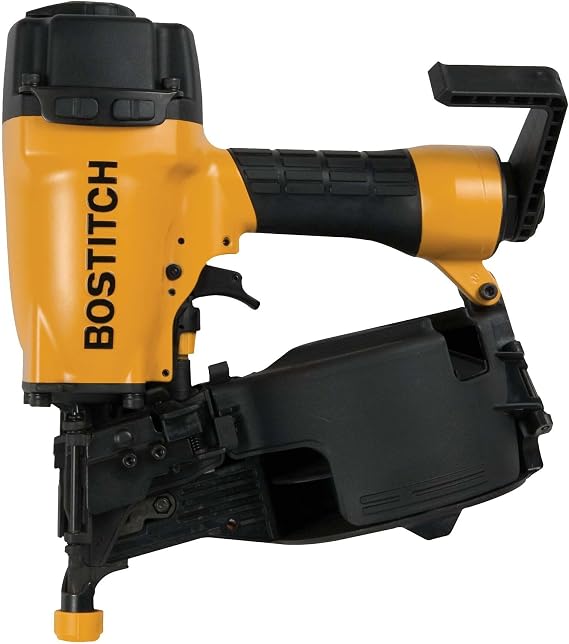 | BOSTITCH Coil Siding Nailer | Check Price |
Our Top Picks 2  | DeWalt 20V Coil Roofing Nailer | Check Price |
Our Top Picks 3 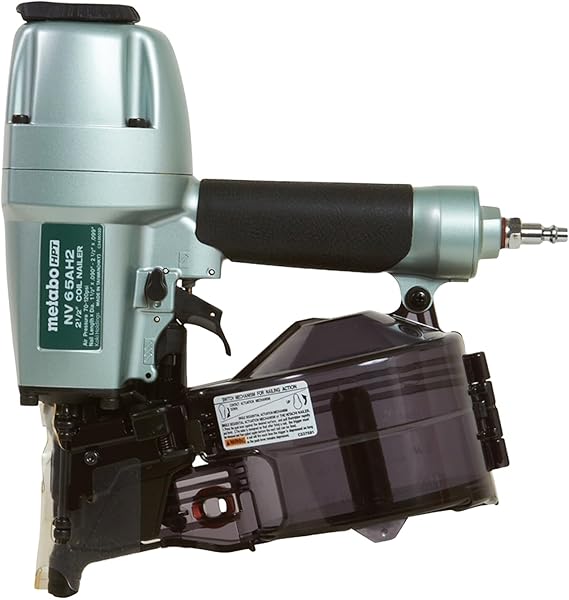 | Metabo HPT NV65AH2 Nailer | Check Price |
Our Selected Top 12 Vinyl Siding Nailer Picks for Every Need
This list features twelve carefully chosen vinyl siding nailers designed for various needs and skill levels. Each review explains how the tool performs, which users it’s best suited for, and highlights its main advantages and drawbacks to help readers make informed decisions.
1. BOSTITCH Coil Siding Nailer N66C
Great for siding jobs, this lightweight nailer handles coil nails with ease. Designed for anyone working with wood siding, it stands out for its adjustable depth guide that quickly sets nail depths just right.
Setting it up is straightforward, and it feels easy to hold and move around thanks to its 4.1-pound aluminum body. The nailer drives both wire weld and plastic inserted coil nails with lengths from 1-1/4-inch to 2-1/2-inch, and the adjustable exhaust keeps air away from your face, making daily use less irritating. The soft rubber foot helps protect softer wood surfaces from damage while working.
The tool performs well, driving nails securely and quickly into siding materials. Its build focuses on durability with aluminum construction, and the adjustable depth guide really helps maintain consistency during work.
Users often praise its lightweight feel and accuracy but note that the exhaust can sometimes direct air in unexpected directions despite adjustments.
Many appreciate the lightweight feel combined with the precise adjustable depth guide, making it reliable for siding work. A common gripe is that the exhaust air isn’t always directed as expected, which can be distracting at times.
People working with wood siding who need a durable, easy-to-handle nailer will find this well suited to their needs. Those wanting a wider nail diameter range or more precise exhaust control might want to look elsewhere.
Pros
- Lightweight aluminum design for easy handling
- Adjustable depth guide for quick nail setting
- Soft rubber foot protects softer woods
- Tool-free adjustable exhaust directs air away
Cons
- Exhaust airflow can be hard to control fully
- Limited nail diameter range
| Specification | Details |
|---|---|
| Fastener Length | 1-1/4-inch – 2-1/2-inch |
| Fastener Diameter | .080-inch – .092-inch |
| Item Weight | 4.1 pounds |
| Material | Aluminum |
| Included Components | Sequential Trip, Case |
2. DeWalt 20V MAX Coil Roofing Nailer
Durable metal construction and battery-powered design make the DeWalt 20V MAX Coil Roofing Nailer ideal for professionals needing a reliable vinyl siding nailer. Its biggest strength lies in the bump mode, which speeds up nailing without losing accuracy.
Setup involves loading the tool-free nail tray that adjusts quickly for different nail sizes, simplifying on-site changes. Using the brushless motor extends battery life, so you spend more time working and less charging.
The compact design keeps it manageable during long days on the ladder or roof.
It drives roofing nails consistently with good depth control, maintaining strong hold over vinyl siding panels. The durable brushless motor handles extended use without overheating.
Most find the bump mode increases nailing speed, though some note the tool feels a bit heavy after hours of use.
Strongest praise centers on the bump mode’s efficiency and the extended runtime from the brushless motor. The most common complaint involves the tool’s weight causing fatigue during long projects.
Professionals valuing speed and battery power will appreciate this nailer’s design. Users seeking a lighter tool for extended handheld use might want to consider other options.
Pros
- Bump mode for faster nailing
- Longer runtime with brushless motor
- Adjustable nail tray fits various nail sizes
- Rechargeable battery powered for portability
Cons
- Can feel heavy during extended use
- Some differences in international models and instructions
| Specification | Details |
|---|---|
| Power Source | Battery Powered |
| Voltage | 20 volts |
| Motor | Brushless Motor |
| Battery Type | Rechargeable |
| Adjustable Nail Tray | Yes, tool-free |
3. Metabo HPT Coil Siding Nailer NV65AH2
Lightweight and easy to handle, the Metabo HPT Coil Siding Nailer is designed for siding pros and DIYers needing a reliable nailer for various siding jobs. Its biggest strength is the ability to switch quickly between sequential and contact nailing modes, making it versatile on different materials.
Loading nails is straightforward thanks to the side load system and tilt bottom magazine, which speeds up work without fumbling. The no-mar nose cap helps protect surfaces from marks during nailing. Adjusting nail depth is simple and tool-less, allowing quick changes on the fly depending on the siding material thickness.
An adjustable air deflector directs exhaust air away for comfort during long sessions.
It drives both wire and plastic collated siding nails, providing flexibility for various projects. The tool feels solid but stays light at 4.8 pounds, keeping fatigue down.
The main praise centers on its ease of switching firing modes and clean finishes without damaging siding. A common downside is occasional jamming reported by some users, which can slow down progress.
The Metabo HPT NV65AH2 is praised for easily switching between nailing modes and leaving clean finishes without marking the siding. However, some users have experienced occasional jams with nails, which can disrupt workflow if not addressed quickly.
This nailer suits those who need versatility in fastener type and firing style, especially with siding materials sensitive to marks. Anyone requiring higher capacity or longer nails may want to explore other options beyond its 1-1/2″ to 2-1/2″ nail range.
Pros
- Switches between sequential and contact nailing
- Easy side load and tilt bottom magazine
- No-mar nose cap protects siding
- Tool-less depth adjustment
Cons
- Occasional nail jams reported
- Supports limited nail lengths
| Specification | Details |
|---|---|
| Fastener Type | Nail |
| Unit Count | 1 Count |
| Item Weight | 4.8 pounds |
| Model | NV65AH2 |
| Warranty Description | 5 year warranty |
4. Metabo HPT Pneumatic Coil Nailer NV75A5

Great for siding pros who want reliability and quick job changes, the Metabo HPT Pneumatic Coil Nailer NV75A5 stands out with its ability to switch between nail types easily. It’s lightweight compared to many pneumatic nailers, making hand fatigue less of a problem during long sessions.
Loading nails is straightforward thanks to the side load, tilt bottom magazine, so reloading doesn’t slow you down. Switching between sequential and contact nailing modes just requires flipping a switch, which is handy when adjusting for different siding materials.
The no mar nose cap keeps the siding looking good, avoiding damage while working close to corners or edges.
It drives nails accurately and allows tool-less depth adjustment for flush or countersunk nails, handling a variety of siding thicknesses with ease. Built to last, it feels solid but weighs only 5.7 pounds, which helps during extended use. Common feedback notes it is tough and reliable, though some mention the air hose connection can be a bit stiff initially.
The nailer earns strong praise for its flexible nailing modes and protective nose cap that prevent damage to siding during installs. The most frequent drawback is a somewhat stiff air hose connection which may take some getting used to. Daily use shows this tool is reliable and user-friendly, making it a great choice for siding.
Professionals installing vinyl siding regularly will appreciate the quick reloads, adjustable depth, and lightweight design. Those needing a nailer compatible with a broader range of nail angles or preferring electric options might want to explore alternatives instead.
Pros
- Quick switch between sequential/contact nailing
- Side load magazine speeds up reloading
- No mar nose cap protects siding
- Lightweight at 5.7 pounds
Cons
- Air hose connection can feel stiff at first
- Accepts only specific 15º and 16º coil nails
| Specification | Details |
|---|---|
| Fastener angle | 16º wire coil, 15º plastic coil |
| Nail length range | 1-3/4″ to 3″ (wire), 1-3/4″ to 2-1/4″ (plastic) |
| Weight | 5.7 pounds |
| Power source | Air powered |
| Depth adjustment | Tool-less |
| Warranty | 5 Years |
5. Metabo HPT 18V Brushless Roofing Nailer NV1845DA

Handling vinyl siding or roofing nails without dragging hoses and compressors around makes projects much easier on site. For those looking for cordless convenience with reliable power, this hits the mark by combining battery operation with a pneumatic-like nail-driving force.
Setup takes just a few minutes with the included 18V Lithium Ion battery and charger. Loading nails from the side magazine speeds up work since it’s quick to top off.
The lightweight design at 8.6 pounds helps reduce arm fatigue during extended use. Adding the vinyl siding adapter means nails sit flush without overdriving, which safeguards siding materials.
Driving 16º wire coil nails up to 1-3/4 long feels strong and consistent thanks to the air spring coil tech. The dust and tar-resistant mechanism keeps the tool working well even in gritty conditions.
It’s built solid with a blend of materials and a brushed finish. Most praise focuses on its cordless strength matching pneumatic models, while the main gripe is the weight feeling a bit heavy for some.
Metabo HPT 18V Brushless Roofing Nailer offers strong nailing power with its air spring coil technology, closely matching pneumatic tool performance. It uses no gas, hose, or compressor, which makes it easy to move around. The side loading magazine loads nails quickly and it handles a range of 16º wire coil roofing nails without jamming.
People who need to install roofing or vinyl siding in places where cords and compressors are inconvenient will find this nailer useful. Compact battery life holds up well for moderate jobs, but those working on large-scale commercial projects might want a full pneumatic tool for extended use. Vinyl siding installers benefit from the included adapter to avoid over-driving nails.
Pros
- Cordless operation with pneumatic-level power
- Side loading magazine for quick nail changes
- Vinyl siding adapter prevents overdriving
- Dust and tar resistant driver blade mechanism
Cons
- Heavier than some other cordless nailers
- Limited to 16º wire coil nails only
| Specification | Details |
|---|---|
| Power Source | Battery Powered |
| Voltage | 18 volts |
| Fasteners | 16º Wire Coil Nails 7/8″ to 1-3/4″ |
| Weight | 8.6 pounds |
| Battery Cell Type | Lithium Ion |
| Included Components | 18V Battery, Charger, Vinyl Siding Adapter, Safety Glasses |
6. Apach VF-25 18 Gauge Medium Crown Stapler

Accepting 18 Gauge 3/8” medium crown staples, this stapler is designed specifically for vinyl siding installation. It suits pros who need reliable fastening with quick reload and adjustable exhaust.
Its biggest strength is the combination of light weight at 2.6 lbs and a jam-free, bottom-load magazine holding 100 staples.
Setting up is straightforward, thanks to a soft rubber grip that makes holding it comfortable over long periods. The air pressure range from 60 to 110 psi offers solid control for different siding thicknesses. Releasing staples is smooth with a quick-release nose, and the 360-degree adjustable exhaust helps keep air away from your face during work.
Loading staples happens from the bottom, greatly reducing jams.
Performance on vinyl siding is consistent, with the medium crown staples providing secure hold without damage. The build feels solid yet light, making it easy to maneuver on walls. The most common praise is about its quiet operation and low vibration, reducing fatigue.
On the downside, some may find the 100-staple magazine needs frequent refills on large jobs.
The quiet operation combined with low vibration makes this stapler comfortable for extended use on vinyl siding projects. Its quick-release nose and jam-free bottom loading are praised, though frequent magazine refills are noted on bigger jobs.
Those working primarily with vinyl siding and needing a lightweight, reliable stapler will find this tool well-suited. Users requiring a multi-purpose nailer or longer magazine life might look elsewhere.
Pros
- Lightweight at just 2.6 lbs for easy handling
- Bottom-load magazine reduces staple jams effectively
- 360-degree adjustable exhaust to direct airflow
- Soft rubber grip for comfortable use over time
Cons
- Magazine capacity of 100 staples may need refilling often
- Designed specifically for vinyl siding, less versatile
| Specification | Details |
|---|---|
| Fasteners | 18 Gauge 3/8” Medium crown staples |
| Weight | 2.6 lbs |
| Magazine Capacity | 100 Staples |
| Air Pressure Range | 60 to 110 psi |
| Trigger | Bottom-load (jam-free) |
| Included Components | Case |
7. BOSTITCH Coil Roofing Nailer RN46

Anyone installing vinyl siding regularly will find this nailer a solid choice, especially for reliability on the job site. Its standout feature is the zero nail lockout, which keeps work moving without dry firing interruptions and clearly signals when it’s time to reload.
Setting up involves loading nails quickly thanks to the patented single-action side load canister. Adjusting the depth is straightforward with a quick-set guide, making it convenient to work with various siding thicknesses. An over molded grip adds comfort for extended use, while the adjustable shingle guide helps maintain consistent spacing between panels.
Driving nails feels consistent thanks to the full round driver design, and the durable aluminum housing handles rough conditions without complaint. Carbide inserts on the nosepiece and wear guards protect the tool from damage, extending its life. The most common downside mentioned is the tool’s weight at 5.8 pounds, which some find a bit heavy during long sessions.
The tool’s zero nail lockout feature truly keeps work flowing smoothly by eliminating dry firing, and the sturdy construction means it holds up well on abrasive surfaces. Weight is the most frequent complaint, with the nailer feeling a bit heavy for long periods of handling.
Tradespeople focused on consistent performance and durability will appreciate this nailer, especially on bigger siding jobs. Those needing a lighter, quieter tool might want to consider alternatives better suited for prolonged, noise-sensitive environments.
Pros
- Zero nail lockout prevents dry firing
- Single-action side load speeds nail reloading
- Adjustable depth for precise nail setting
- Durable aluminum housing resists job site wear
Cons
- Weighs 5.8 pounds and can feel heavy
- Noisy operation during extended use
| Specification | Details |
|---|---|
| Item Weight | 5.8 pounds |
| Model | RN46-1 |
| Item Type Name | 3/4-Inch To 1-3/4-Inch Coil Roofing Nailer |
| Number of Items | 1 |
| Brand | Bostitch |
8. Meite CN65S Coil Siding Nailer

Heavy-duty power meets lightweight design in the meite CN65S Coil Siding Nailer, tailored for contractors who need to move around all day without arm fatigue. Its standout feature is the ability to drive nails deep into tough materials while staying easy to handle.
Setting up the nailer usually involves loading a coil of nails into its roomy 300-nail magazine, cutting down on how often you need to pause for reloading. Working with wire-collated fasteners between 1-1/4 and 2-1/2 gives enough versatility for siding, fencing, and sheathing jobs.
Air power keeps the firing sharp and consistent throughout the day, and its aluminum alloy build keeps the weight manageable at about 7.7 pounds.
Driving nails into hardwood or pressure-treated wood feels confident and controlled, with the 15-degree coil design helping in tight or angled spaces. The construction balances a lightweight feel with enough punch to handle dense materials without misfires.
Strong praise notes its ability to deliver heavy-duty power without the bulk, while the most common complaint points to its overall size being a bit larger than some might prefer on tight jobs.
The nailer delivers reliable, heavy-duty performance while remaining lightweight enough to carry all day without arm fatigue. It runs consistently thanks to its pneumatic power, though its size might feel awkward on smaller, detailed siding projects. Loading and firing are straightforward, with less downtime from the large nail capacity.
People working on large siding, fencing, or subflooring projects will appreciate the power and extended runtime. Those handling finer or more delicate trim work might prefer a more compact, lighter tool for better control in small spaces.
Pros
- Lightweight at 7.7 pounds for easy handling
- High-capacity 300-nail coil magazine
- Drives nails deeply into hardwood and treated wood
- Accepts a wide range of nail sizes
Cons
- Larger size can feel bulky in tight spaces
- Heavier than some trim nailers
| Specification | Details |
|---|---|
| Item Weight | 7.7 pounds |
| Product Dimensions | 14.4 x 6.2 x 14.08 inches |
| Size | Accepts 1-1/2″ to 2-1/2″ (38–65 mm) legs |
| Power Source | Air powered |
| Magazine Capacity | 300-nail coil |
9. Freeman Pneumatic 15° Coil Siding Nailer PCN65

Freeman Pneumatic 15° Coil Siding Nailer PCN65 makes siding and wood fencing jobs quicker and safer. It’s built for construction pros handling siding, cedar shingles, or roof sheathing and stands out for its durable steel drive blade and versatile nail compatibility.
Setup involves attaching the pneumatic nailer to an air compressor, then loading it with plastic or wire collated siding nails of different lengths between 1-1/4 and 2-1/2. Day-to-day use is smooth thanks to its contact actuation firing, allowing bump firing for speed or single sequential firing for precision. The included belt hook keeps it handy, and occasional use of the provided air tool oil keeps it well maintained.
It nails quickly and accurately, driven by a hardened steel blade that holds up well under heavy use. The anodized aluminum cylinder adds durability, helping the tool resist damage on busy jobsites. A frequent compliment is how reliable the firing mechanism is, while the main complaint relates to the general weight during extended periods of work, which some users find tiring.
Durability stands out with the hardened steel blade and anodized cylinder ensuring lasting use. Frequent observations show the firing mechanism is highly reliable, but weight remains a downside during extended jobs.
Ideal for professionals who value speed and strong build quality in siding nailers. Those needing lighter tools for very long shifts may want to explore other models.
Pros
- Durable steel drive blade resists damage
- Compatible with various siding nail sizes
- Contact actuation for speed and precision
- Includes belt hook and adjustment tools
Cons
- Heavier weight can cause fatigue during long use
- Requires regular lubrication for optimal performance
| Specification | Details |
|---|---|
| Compatible Nails | 15 degree plastic or wire collated siding nails, 1-1/4″ to 2-1/2″ |
| Firing Type | Contact actuation with bump or sequential firing |
| Material | One piece hardened steel drive blade, anodized aluminum cylinder |
| Included Components | Pneumatic nailer, belt hook, air tool oil, adjustment tools |
| Warranty | 7 Year Limited Warranty, 90 Day Wearable Parts Warranty |
10. STANLEY BLACK & DECKER Pneumatic Coil Siding Nailer DW66C-1

Feels well-balanced and easy to handle on the job, good for anyone doing vinyl siding or fencing work. The tool-free adjustable exhaust stands out, making it simple to customize air direction without needing extra tools.
Setting up the nailer is straightforward, thanks to its pneumatic coil design that loads nails efficiently. Everyday use is comfortable since the exhaust can be adjusted on the fly, preventing dust and air from blowing into your face. This makes it quieter and less irritating during long periods on ladders or scaffolding.
It drives nails with consistent power, ensuring siding and fencing stays secure. The build quality from DEWALT feels solid enough for regular use.
On the flip side, some users mention the coil size can be a bit bulky when working tight spaces. Most appreciate how it reduces air blast distractions while nailing.
The tool-free adjustable exhaust is praised for improving comfort by redirecting air away from the face during use. The main complaint revolves around the coil size feeling bulky when working in confined areas. Those who appreciate straightforward pneumatic tools with easy exhaust adjustments will find it suitable. Users needing a more compact option for very tight spots might want to.
Anyone focused on vinyl siding or fencing tasks will value the combination of power and air control. Ideal for projects requiring steady nailing with less wind-back around the tool. Those frequently working in cramped corners may experience some inconvenience due to the coil size but otherwise gain good reliability from this nailer.
Pros
- Tool-free adjustable exhaust for easy air direction
- Loads coil nails efficiently for less downtime
- Solid brand reputation from DEWALT
- Comfortable to hold during extended use
Cons
- Coil size can be bulky in tight spaces
- Some users find the exhaust adjustment stiff at first
| Specification | Details |
|---|---|
| Brand Name | DEWALT |
| Model Number | DW66C-1 |
| Item Type Name | Pneumatic Coil Siding Nailer |
| Included Components | Power Nailer Replacement Part |
| Number of Items | 1 |
| Unit Count | 1 Count |
11. DEWALT Pneumatic Coil Siding Nailer DW66C-1
Great for siding professionals or hobbyists looking for a dependable nailer, this DEWALT model stands out with its solid build and consistent nailing power. It suits those who need a tool that handles siding tasks smoothly without frequent jams or failures.
Setting up the nailer is straightforward since it’s a corded pneumatic tool, letting you work continuously without battery worries. The lightweight 16-ounce frame helps reduce fatigue during long projects, and the 15-degree coil design fits common siding nails. Using it day-to-day involves connecting to an air compressor, which ensures steady power and firing consistency, important for getting clean, flush nails.
It drives nails efficiently with good precision, making siding installation quicker and more reliable. The overall construction feels durable enough to withstand regular use on job sites.
The most praised aspect is its consistent drive performance, though some users mention the cord limits mobility and can get in the way in tighter spaces.
The strongest praise centers on its reliable and steady nail driving, allowing for effective siding installation without frequent jams. The most common complaint points to the corded design, which restricts movement and can complicate working in confined areas.
Anyone focused mainly on long siding jobs with easy access to an air compressor will find this nailer suits them well. Those needing cordless convenience or more flexible mobility might want to look into battery-powered alternatives instead.
Pros
- Lightweight for reduced user fatigue
- Consistent nailing power for precision
- Durable build for long-term use
- Compatible with common siding nails
Cons
- Cord limits mobility during use
- Requires air compressor connection
| Specification | Details |
|---|---|
| Item Weight | 16 ounces |
| Number of Items | 1 |
| Unit Count | 1 Count |
| Size | 1 Count (Pack of 1) |
| Type | 15-Degree Pneumatic Coil Siding Nailer |
12. Makita AN613 Pneumatic Coil Siding Nailer

Engineered with a sturdy build and efficient motor, the Makita AN613 Pneumatic Coil Siding Nailer suits professionals working on vinyl siding projects. Its single biggest strength lies in delivering consistent fastening performance with easy-to-adjust depth settings, helping achieve precise results every time.
Setting up the nailer is straightforward, and the tool-less depth adjustment with nine detent settings lets you dial in how flush the nails sit without stopping work. Switching between single sequential and contact actuation modes helps adapt to different nailing needs on the fly. Driving 15º wire and plastic collated nails adds versatility, while the smooth nose tip avoids scratching the siding during use.
It powers through siding installation reliably, making clean, precise fastenings that hold well. The design includes a multi-directional exhaust port to keep air away from the operator and a reversible hook for close storage on the belt. Most users praise its effective depth control, although some find the 7.48-pound weight a bit hefty during long sessions.
The most consistent praise highlights the precise, tool-less depth adjustment that ensures nails sit flush or countersunk exactly as needed. Common criticism points to the weight, which can become tiring after hours of installation, especially for those not used to heavier tools.
Anyone needing accuracy and reliability for siding work will appreciate the solid build and functional design, especially for professional use. Those looking for a lighter nailer for occasional projects might prefer something smaller and less heavy to reduce fatigue.
Pros
- Precise nail depth adjustment without tools
- Two firing modes for flexibility
- Multi-directional exhaust keeps air away
- Includes safety glasses and fitting
Cons
- Relatively heavy at over 7 pounds
- May feel bulky during extended use
| Specification | Details |
|---|---|
| Item Weight | 7.48 pounds |
| Product Dimensions | 5.51 x 14.72 x 15.16 inches |
| Nail Angle | 15º |
| Adjustment Settings | 9 detents tool-less depth settings |
| Included Components | Air Fitting; Safety Glasses |
| Warranty | 3-year limited warranty |
Best Vinyl Siding Nailers Comparison Table
| Product | Weight | Power Source | Included Components | Warranty |
|---|---|---|---|---|
| BOSTITCH Coil Siding Nailer | 4.1 pounds | Pneumatic | Sequential Trip, Case | – |
| DeWalt 20V Coil Roofing Nailer | – | Battery Powered | Brushless Motor | – |
| Metabo HPT NV65AH2 Nailer | 4.8 pounds | Pneumatic | Safety Glasses, No Mar Nose | – |
| Metabo HPT NV75A5 Pneumatic Nailer | 5.7 pounds | Air Powered | – | – |
| Metabo HPT 18V Roofing Nailer | 8.6 pounds | Battery Powered | 1 Lithium Ion Battery | – |
| Apach VF-25 Stapler | – | – | Case | One-Year Limited |
| BOSTITCH RN46 Coil Roofing Nailer | 5.8 pounds | Pneumatic | Framing Nailers, Pneumatics | – |
| meite CN65S Coil Siding Nailer | 7.7 pounds | Air Powered | – | – |
| Freeman PCN65 Pneumatic Nailer | – | Pneumatic | Belt Hook, Oil, Tools | – |
| Stanley Black & Decker DW66C-1 | – | Pneumatic | Power Nailer Replacement | – |
| DEWALT DW66C-1 Coil Siding Nailer | 16 ounces | – | – | – |
| Makita AN613 Pneumatic Nailer | 7.48 pounds | Pneumatic | Air Fitting, Safety Glasses | 3-year limited |
- Weight4.1 pounds
- Power SourcePneumatic
- Included ComponentsSequential Trip, Case
- Warranty–
- Weight–
- Power SourceBattery Powered
- Included ComponentsBrushless Motor
- Warranty–
- Weight4.8 pounds
- Power SourcePneumatic
- Included ComponentsSafety Glasses, No Mar Nose
- Warranty–
- Weight5.7 pounds
- Power SourceAir Powered
- Included Components–
- Warranty–
- Weight8.6 pounds
- Power SourceBattery Powered
- Included Components1 Lithium Ion Battery
- Warranty–
- Weight–
- Power Source–
- Included ComponentsCase
- WarrantyOne-Year Limited
- Weight5.8 pounds
- Power SourcePneumatic
- Included ComponentsFraming Nailers, Pneumatics
- Warranty–
- Weight7.7 pounds
- Power SourceAir Powered
- Included Components–
- Warranty–
- Weight–
- Power SourcePneumatic
- Included ComponentsBelt Hook, Oil, Tools
- Warranty–
- Weight–
- Power SourcePneumatic
- Included ComponentsPower Nailer Replacement
- Warranty–
- Weight16 ounces
- Power Source–
- Included Components–
- Warranty–
- Weight7.48 pounds
- Power SourcePneumatic
- Included ComponentsAir Fitting, Safety Glasses
- Warranty3-year limited
How to Choose the Right Vinyl Siding Nailer
Choosing the right vinyl siding nailer depends on factors like durability, ease of use, and compatibility with different siding materials. Prioritizing these aspects ensures efficient installation, reduces the risk of damage, and prevents costly repairs or replacements down the line.
Compatibility with Nail Types
Nailers that don’t support the right nail gauge or length can cause serious installation problems like loose siding or damage from nails that are too long. Vinyl siding typically requires 15- or 16-gauge nails around 1¼ to 1½ inches long, so a tool that handles these sizes without issue makes a difference. Nailers compatible with plastic-collated or paper-collated nails suit vinyl siding best since these collations reduce nail jams and make reloading faster during work.
Compatibility with common nail magazine styles is important because some models use stick or coil magazines, affecting how often you need to reload. A magazine that fits widely used nail types and keeps nails secured reliably decreases downtime.
Look for a tool with a nail magazine tailored for the nail sizes used in vinyl siding and supports the preferred collation type, which usually means plastic or paper collation.
Power Source and Performance
Pneumatic nailers stay consistent with air pressure usually between 70 and 120 PSI, delivering reliable power for driving nails flush without causing splits. They offer steady performance as long as you have an air compressor nearby, which can limit mobility but ensures powerful, even nailing.
Pneumatic tools don’t run hot or lose power during long sessions, which matters for big jobs.
Cordless models offer freedom from hoses but vary in battery life and recharge times; typical batteries last about a day’s work but require breaks to recharge. The key is how well the tool drives nails flush without damaging siding.
Some cordless designs lack the force to consistently sink nails without splitting the vinyl. Check battery capacity and expected recharge time alongside tool specs to avoid interruptions.
Ergonomics and Weight
Extended use of a heavy nailer quickly leads to arm and wrist fatigue, which hurts accuracy and speed. Lightweight models under 5 pounds allow longer work periods without strain, especially important when working overhead or around eaves.
A comfortable grip with rubberized or contoured handles reduces slippage and hand soreness.
Balanced weight plays a big role in control; a tool that feels evenly weighted helps maintain steady aim. Small, compact bodies also improve maneuverability for corners and tight trim areas. Dimensions that easily fit into confined spots without forcing awkward angles make a daily difference when installing siding accurately in tight spaces.
Durability and Build Quality
Vinyl siding nailers take a lot of bumps and exposure on site, so materials like aluminum alloy or steel frames resist corrosion and dents better than plastic bodies. A sturdy magazine and nail feeder minimize jams and nail misfires, which slow work and risk damage.
Look for metal faceplates and reinforced connection points for longer sensor and feeder life.
Rugged construction means the tool handles setting down rough or outdoors without internal parts loosening. Those working through multiple projects notice how a durable design reduces repair or replacement costs. Models rated for consistent job site use typically feature sealed air chambers and hardened feed mechanisms that keep performance steady.
Safety Features and Controls
Accidental firing is a major safety risk, especially around children or in tight workspaces. Tools with trigger locks or safety switches stop nails from firing unless the switch is deliberately engaged, preventing mishaps. These simple features help avoid injuries during transport or downtime.
Depth adjustment controls let users fine-tune nail penetration to avoid cracking or bending vinyl siding. Precise penetration saves siding from cosmetic and structural damage and ensures nails hold firmly.
An antidry fire mechanism that stops the tool from firing when nails run out prevents damage caused by dry cycling and signals it’s time to reload.
Tips for Efficient Use of a Vinyl Siding Nailer
Choosing the right nail size for your vinyl siding nailer ensures better hold and reduces the risk of cracking the siding. Vinyl siding requires nails long enough to penetrate the sheathing but not so long they cause damage or protrusion.
Maintain consistent air pressure if you’re using a pneumatic nailer; fluctuating pressure can lead to inconsistent nail depth. Adjust the depth setting on the nailer so nails sit flush or slightly below the siding surface to allow for natural expansion and contraction.
Keep the nailer angled correctly against the siding to avoid bending or misfiring nails. It helps to follow the manufacturer’s recommendations on spacing between nails, usually around 16 inches on center. Storing nails in a dry place prevents rust that could affect nail performance.
- Use a tool belt or pouch to keep extra nails handy.
- Wear safety glasses to protect from flying debris.
- Start nailing at the bottom of each panel and work upwards.
Common Mistakes to Avoid When Installing Vinyl Siding
Overdriving nails is a common mistake that can crack vinyl siding panels, compromising durability and appearance. Nails should be driven just enough to hold the siding firmly without tightening against the panel surface.
Failing to leave proper gaps between siding panels ignores the material’s need to expand and contract with temperature changes. This oversight often causes buckling or warping over time.
Skipping the use of flashing or improper sealing at joints and corners can lead to water infiltration behind the siding, leading to mold, rot, or structural issues. It’s important to follow recommended installation guidelines for weatherproofing.
Using nails that are too short or of poor quality may result in loosening panels during strong winds or storms.
- Don’t nail through siding ribs; hit the flat nailing hem instead.
- Check that all panels are level before securing them.
- Never nail tightly; siding needs some play to move.
Comparing Vinyl Siding Nailers to Alternative Fastening Tools
Vinyl siding nailers are specifically designed to set nails with the correct depth and positioning for vinyl siding panels. This specialization reduces damage risk compared to standard nail guns.
Standard framing nailers often drive nails too deeply or with excessive force, which can crack or dent the vinyl. Brad nailers, while gentler, lack the power to securely fasten through thicker sheathing and siding combined.
Hammering nails manually provides more control over force but is slower and may cause inconsistent nail set, increasing the chance of fixing errors later. Pneumatic siding nailers speed up installation with uniform results and less fatigue.
The main advantage of specialized siding nailers lies in their ability to avoid overdrive and nail bending, common problems with alternative tools that can compromise siding integrity and appearance.
People Also Asked
How Do I Use a Vinyl Siding Nailer Safely?
Hold the nailer firmly and wear safety glasses to protect your eyes from flying debris. Make sure the air compressor is set to the correct pressure to avoid overdriving nails, which can damage siding or cause injury.
What Size Nails Are Compatible with Vinyl Siding Nailers?
Most vinyl siding nailers use nails between 1 1/4 and 1 3/4 inches long, often with a ring shank for better grip. Check your tool’s manual for the specific nail size and type recommended to ensure proper fastening.
How Long Does a Vinyl Siding Nailer Typically Last?
A vinyl siding nailer usually lasts several years with regular use, but this can vary based on tool quality and maintenance. Keeping the tool clean and properly lubricated can extend its service life significantly.
What Are Common Problems with Vinyl Siding Nailers?
Jamming of nails is a common problem, especially if nails are loaded incorrectly or dusty. Nails may also bend if the air pressure is too low or if siding is too hard; adjusting settings can reduce these issues.
How Do I Maintain and Care for a Vinyl Siding Nailer?
Regularly clean the nailer to remove dirt and dust, and lubricate moving parts with oil to keep it operating smoothly. Store it in a dry place to prevent rust and check for worn parts every few months.
Conclusion
Choosing the right vinyl siding nailer comes down to ease of use, consistent nail placement, and durability. A tool that fits comfortably in your hand reduces fatigue during long projects.
Reliable nail depth control keeps your siding looking clean and secure. The build quality also matters since this tool handles repeated use on tough materials.
Think about where you’ll use the nailer most and how often before picking one. A lighter model may suit smaller jobs, while a sturdier tool works better for frequent tasks.
Check the comparison table and detailed reviews above to find a nailer that matches your budget and project needs.

I’m Cody Harrison, a lifelong hunter who has spent many seasons in the woods, marshes, and open country. I write about hunting gear, rifle and bow setups, scouting strategies, tree stands, and field safety. I share lessons from real hunts to help both beginners and experienced hunters prepare better, hunt smarter, and get more out of every trip.


