
Top 12 Best Lawn Mower Engines That Will Blow Your Mind
Struggling with a lawn mower that sputters, stalls, or can’t handle thick grass is a common frustration for anyone who’s tried out various engines. The best lawn mower engines avoid these problems by delivering consistent performance and reliability, which is crucial for keeping a yard neat without constantly dealing with breakdowns or uneven cuts. A powerful but well-matched engine makes all the difference in how smoothly the mower runs and how much effort it takes to maintain.
The key factors that distinguish good lawn mower engines include engine displacement, typically measured in cubic centimeters (cc), which usually ranges from 140cc to 190cc for residential mowers. Adequate power output between 4 to 6 horsepower is often enough to trim most home lawns efficiently.
Equally important is the build quality of engine components like pistons and cooling fins, which affect durability and heat management. A design that allows easy access for cleaning and maintenance also helps keep the engine running longer without costly repairs.
Need a Quick Check?
| Image | Product | Price |
|---|---|---|
Our Top Picks 1  | Briggs & Stratton 104M02 Engine | Check Price |
Our Top Picks 2 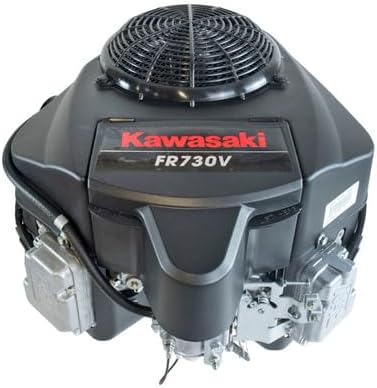 | Kawasaki 24HP Vertical Engine | Check Price |
Our Top Picks 3 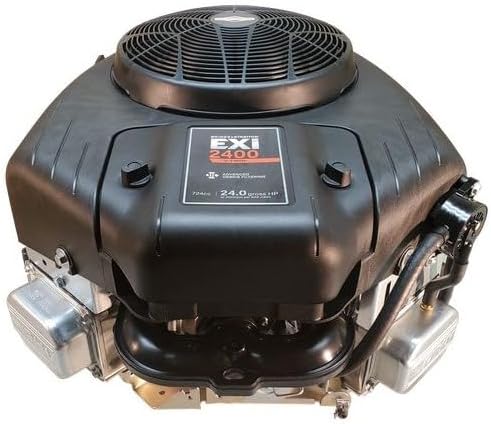 | Briggs & Stratton 724cc Intek | Check Price |
Our Selected Top 12 Lawn Mower Engines Worth Your Money
This list features a carefully chosen selection of lawn mower engines, detailing their performance, suitability for different users, and key strengths and weaknesses. Each review helps you understand which engine might best fit your mowing needs and preferences.
1. Briggs & Stratton 104M02-0197 Vertical Shaft Engine
Briggs & Stratton 104M02-0197 Vertical Shaft Engine stands out for its straightforward design made specifically for push mowers. Ideal for homeowners or anyone needing a reliable replacement engine, it excels with a fixed speed throttle giving steady power at 3100rpm, ensuring consistent mowing without fuss about speed adjustments.
Setting it up involves mounting with bolts or nuts, as the holes are only drilled without fasteners included. The flywheel brake system adds a layer of safety by stopping the engine when released, which means active control in daily use.
The vertical shaft fits standard push mower frames, and the engine runs quietly and without much vibration.
Powering your mower with a 163cc engine, it performs solidly on typical lawn sizes. Customers often compliment its durability and straightforward replacement fit. Some do point out that it will not work for anything other than push lawn mowers, which can be a limitation.
The build feels heavy-duty at 22.5 pounds, reflecting materials meant to last without fragile parts.
Strong points include solid, reliable power and a built-in flywheel brake system for safer operation. The most common issue is that it only works for push mowers and requires separate mounting hardware, which can catch some by surprise.
This engine suits anyone needing a straightforward, dependable replacement for a push mower. Those looking to power other equipment or wanting included mounting bolts might want to consider alternative options.
Pros
- Consistent fixed throttle speed
- Flywheel brake adds safety
- Fits standard push mower mounts
- Durable 22.5-pound build
Cons
- Not compatible with other machinery
- Mounting hardware not included
| Specification | Details |
|---|---|
| Engine size | 163cc |
| Throttle speed | Fixed at 3100rpm |
| Crankshaft | 7/8 x 3-5/32 inch keyed |
| Mounting | Drilled holes, nut and bolt or self-tapping bolts |
| Item weight | 22.5 pounds |
| Engine type | Vertical shaft |
2. Kawasaki 24HP Vertical Shaft Engine
Kawasaki 24HP Vertical Shaft Engine delivers strong performance for consumer riding mowers and z-turns, especially when a reliable, powerful engine is needed. Its 24 horsepower and 726cc capacity make it ideal for heavy-duty lawn care tasks requiring consistent power and durability.
Installation requires checking the crankshaft size carefully as Kawasaki offers multiple shaft dimensions. The 1 x 3-5/32 shaft fits many common replacements.
Once fitted, the OHV V-Twin design ensures smooth operation and efficient fuel use during regular mowing sessions without frequent adjustments or complicated upkeep.
Power output easily handles large lawns or tougher grass conditions without bogging down. The build quality feels solid, reflecting Kawasaki’s reputation for reliability. Strong praise highlights the engine’s consistent power delivery over time.
A common complaint centers on the precise shaft size requirement, which needs careful measurement before purchase to avoid incompatibility.
The engine’s consistent power and solid construction receive frequent praise, ensuring performance for tough mowing jobs. Some users find measuring the crankshaft shaft dimensions and ensuring the correct fit a challenge, which can complicate straightforward replacements.
Anyone needing a strong, reliable lawn mower engine with the exact shaft size defined will be satisfied. Those uncertain about their mower’s shaft size or seeking broader compatibility options should consider alternative engines with more universal specifications.
Pros
- Delivers steady 24hp power for demanding use
- Suitable for various riding mowers and z-turns
- A solid build helps extend the engine’s lifespan
- OHV V-Twin design improves efficiency
Cons
- Shaft size must be measured precisely before purchase
- Compatibility limited to specific crankshaft dimensions
| Specification | Details |
|---|---|
| Horsepower | 24hp |
| Displacement | 726cc |
| Engine Type | OHV V-Twin |
| Shaft Size | 1″ x 3-5/32″ |
| Manufacturer Part Number | FR730VJS00S |
3. Briggs & Stratton 724cc Intek Series Engine
Running a mower with solid power makes cutting through thick grass feel much easier, and this engine suits anyone needing a reliable replacement for their riding mower or zero-turn. With 24 HP and a 724cc capacity, it handles tough jobs without bogging down, which many find its biggest strength.
Setting up involves matching your old engine’s crankshaft size carefully, as it uses a 1 x 3-5/32 shaft with tapped 7/16 and a 1/4 keyway. The mounting holes come drilled but require nuts and bolts or self-tapping bolts from your previous setup. It feels stable and runs smoothly once installed, making daily mowing straightforward and consistent.
Performance is steady across typical yard work, delivering enough power for most consumer riding mowers. The engine is built solidly by Briggs & Stratton, known for durability.
High praise often points to its dependable start and strong output, but some mention fitting challenges due to shaft size variations if not measured carefully.
The strongest praise lies in its 24 HP power and reliable performance, ensuring steady mowing through thick grass. The most common complaint is related to fitment issues, emphasizing the need to carefully measure your original engine’s crankshaft before buying.
Those who want a straightforward replacement for a consumer riding mower will appreciate this engine’s power and quality. Individuals looking for an engine with included mounting hardware or less attention to shaft compatibility should consider other options.
Pros
- Powerful 24 HP engine for tough mowing jobs
- Compatible with many consumer riding mowers
- Solidly built by Briggs & Stratton
- Drilled mounting holes for flexible installation
Cons
- Requires precise crankshaft measurement
- Mounting hardware not included
| Specification | Details |
|---|---|
| Horsepower | 24 HP |
| Engine Displacement | 724cc |
| Shaft Size | 1″ x 3-5/32″ |
| Shaft Type | Tapped 7/16″ with 1/4″ keyway |
| Mounting | Drilled holes, use nuts and bolts |
| Manufacturer Part Number | 44N877 |
4. STP Synthetic Blend 4 Cycle Small Engine Oil

Great choice for anyone needing reliable oil to keep small engines running smoothly. Its main strength lies in resisting breakdown during tough conditions, making it suitable for lawnmowers, generators, and other outdoor power tools requiring SAE 10W-30 oil.
Handling this oil is straightforward with a 32 fl oz bottle that’s easy to pour when topping off or changing oil. It works quietly behind the scenes to prevent buildup inside your engine thanks to detergents that clean while you use your mower or tractor.
The synthetic blend helps maintain protection during high heat, so the engine doesn’t lose performance as quickly.
Performance stands out by maintaining oil durability against thermal breakdown, so the engine stays well-lubricated and clean longer. The build focuses on a synthetic blend formula designed specifically for small engines.
Strong points include keeping parts free from carbon deposits. Some mention the size as a bit small for multiple changes, requiring more frequent purchase.
This oil is widely praised for effectively fighting thermal breakdown and keeping engine parts clean, which helps maintain performance during heavy use. Common feedback points to the bottle size being smaller than some need for multiple oil changes and users wanting more volume in one package.
Those who use small engines regularly on lawnmowers or generators and want reliable, synthetic blend protection will appreciate this product. People with heavy usage or those prioritizing full synthetic oils for extreme conditions might want to consider other options.
Pros
- Fights thermal breakdown under high temperature use
- Detergents prevent carbon buildup in small engines
- Suitable for various outdoor equipment like mowers and generators
- Easy to pour bottle with 32 fl oz capacity
Cons
- 32 oz size may require frequent repurchase for heavy users
- Not a full synthetic oil, some prefer full synthetic for extreme conditions
| Specification | Details |
|---|---|
| Brand Name | STP |
| Manufacturer Part Number | 18588 |
| Size | 32 OZ |
| Model Number | 18588 |
| Oil Grade | SAE 10W-30 |
| Included Components | STP Auto Performance Aid |
5. Briggs & Stratton 33S877 Professional Series Engine

A cast iron cylinder sleeve and overhead valve design keep this engine durable and running cooler for the long haul. Suited for riding lawn mowers, it delivers steady power while maintaining efficiency thanks to the pulse fuel pump and full pressure lubrication system.
Getting it set up is straightforward, especially since it comes with tools included. The electric start means starting the mower doesn’t require much effort, while the 9 amp charging system keeps the battery charged during use. Routine maintenance is easier because the oil filter reduces grime buildup, prolonging engine life on regular jobs.
Performance runs smoothly at a max 3300 RPM, offering solid power from its 19 HP single-cylinder setup. It’s built with longevity in mind, from the Dura-Bore sleeve to the overhead valve architecture for cooler operation.
Praised for reliable starts and solid build, the most frequent gripe is the heavier weight because of its durable materials.
Reliable electric start and tough build quality are often highlighted, while the engine’s weight can be a drawback for those wanting lighter setups. The cooling overhead valve helps the engine run longer without overheating, supporting extended mowing sessions.
Someone seeking a durable, powerful engine for a riding mower will appreciate this model’s features. Those needing a lighter or more compact engine might want to consider alternatives better suited to smaller or push mowers.
Pros
- Electric start for easy ignition
- Full pressure lubrication with oil filter
- Dura-Bore cast iron cylinder sleeve extends life
- Includes exhaust for convenience
Cons
- Heavier than some competing engines
- Designed mainly for riding mower use
| Specification | Details |
|---|---|
| Model Name | Simpson |
| Horsepower | 19 HP |
| Displacement | 540 cc |
| Engine Type | Single Cylinder |
| RPM | 3300 max |
| Charging System | 9 amp |
6. STA-BIL Small Engine Treatment

Hard starts and sputtering engines can ruin your day, and STA-BIL Small Engine Treatment is designed for anyone facing those issues with small engines. Its biggest strength lies in quickly breaking down gum, varnish, and water build-up, which often cause rough running and no-start problems.
Using the treatment is straightforward since it mixes with your fuel system, so there’s no need to disassemble carburetors or other components. Just add it to your fuel tank and let it work through the engine, helping clean injectors and carburetors.
It also tackles ethanol fuel residues, which can sometimes cause stalling or harder startups after sitting unused.
It performs well in clearing out blockages and stabilizing engine performance, noticeably reducing rough running in many cases. The bottle is simple and easy to store, making it convenient to have on hand. Some users mention that it doesn’t solve every engine problem but works best as a preventative or maintenance solution rather than a quick fix for severe issues.
Many notice improved engine start-up and smoother running after using this treatment, which can break down deposits causing fuel flow issues. The common drawback is that it’s not a guaranteed solution for every engine trouble and works best as part of regular maintenance.
People who want to maintain their small engine regularly and reduce ethanol-related problems will find it useful. Those needing immediate, extensive repairs might have to look beyond this treatment for a complete fix.
Pros
- Cleans carburetors without disassembly
- Effective against ethanol fuel effects
- Removes water from fuel system
Cons
- Not a fix for all engine problems
- Requires mixing with fuel to work
| Specification | Details |
|---|---|
| Container Type | Bottle |
7. Inline Fuel Filters with Magnet, 10 Pack

Fuel filters with built-in magnets catch metal impurities that regular filters might miss, protecting your small engine better. Perfect for anyone wanting to run small tractors, lawn mowers, or generators more reliably, these filters offer an easy upgrade to keep fuel clean and engines running smoothly.
Installation is straightforward, fitting standard 1/4-inch and 5/16-inch fuel lines common in many garden and outdoor machines. Day-to-day, the filter silently traps debris and metal particles before they can reach the engine, so you won’t have to worry about fuel system blockages.
Having ten filters in one pack means you’re set for several maintenance cycles without searching for replacements.
Designed to catch metal powder through a magnet inside, these filters help maintain steady engine operation by avoiding clogs. They’re sturdy and built with quality materials, but some have noted the fit isn’t always perfect for every fuel line. Most appreciate the extra protection, while the main gripe is ensuring it is the right size for their machine’s fuel line.
The strongest praise is for the built-in magnet’s ability to keep metal powder out of the engine, helping prevent blockages and stabilize operation. The most common complaint involves difficulty fitting the filter onto some fuel lines, suggesting users need to double-check sizes before purchasing.
Those who need reliable fuel filtering for typical 1/4-inch or 5/16-inch fuel lines will appreciate these filters. Users with larger or uncommon fuel line sizes should consider other options to ensure proper fit and function.
Pros
- Effective magnet trap catches metal particles
- Universal fit for common fuel line sizes
- Pack of 10 means convenient spares
- Compatible with many small engines
Cons
- Occasional fit issues on some fuel lines
- Not suitable for larger fuel line diameters
| Specification | Details |
|---|---|
| Brand Name | Snwoygr |
| Unit Count | 10 Count |
| Fits Fuel Lines | 1/4-inch and 5/16-inch |
| Model Number | InlineFuelFilter |
| Included Components | 10 PCS Inline Fuel Filters with magnet |
| Manufacturer Part Number | FuelFilter-Parent |
8. Briggs & Stratton 44S977 Vertical Shaft Engine

Struggling with a mower engine that quits too soon or overheats on a warm day is common. Suited for those needing a reliable, long-lasting vertical shaft engine, this one stands out for its durable cast iron cylinder sleeve that extends life.
Setting it up is straightforward with its well-sized 19 x 16 x 18 inches dimensions and an 83.8-pound weight giving it a solid feel. The overhead valve design helps keep things cool during daily mowing, and the full pressure lubrication means less frequent maintenance. The 16 amp charging system keeps the battery ready over repeated uses.
Its main job of powering a lawn mower runs reliably with cool operation thanks to the overhead valve design. The dura-bore cast iron cylinder sleeve ensures it holds up over time.
Praised often for lasting a long while, a common drawback mentioned is the engine’s heavier weight, which can make handling a little tougher during installation.
Strong praise centers on the engine’s durability and cool operation during use. The most frequent complaint involves its weight, which might challenge people during setup or transportation. Handling this engine requires some strength but rewards with reliable performance.
Anyone needing a sturdy, long-life engine to power vertical shaft mowers will find this a solid choice. Those prioritizing lightweight design or compact engines should look at alternatives better suited for smaller, lighter mowers.
Pros
- Long-lasting dura-bore cast iron cylinder sleeve
- Keeps engine cool with overhead valve design
- Full pressure lubrication for extended engine life
- Powerful 16 amp charging system
Cons
- Heavy at 83.8 pounds, can be hard to handle
- Larger size may not fit all mower designs
| Specification | Details |
|---|---|
| Product Dimensions | 19 x 16 x 18 inches |
| Item Weight | 83.8 pounds |
| Charging System | 16 amp |
| Valve Design | Overhead Valve (OHV) |
| Cylinder Sleeve | Dura-bore cast iron |
9. Oregon Small Engine Deck Leveling Gauge
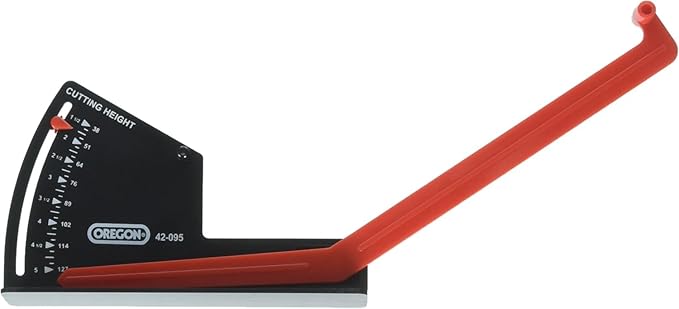
Accurate deck leveling makes a big difference for lawn mower performance, and this Oregon Small Engine Deck Leveling Gauge offers exactly that. Suited for anyone needing a precise replacement part, it stands out by arriving ready to use with no assembly needed.
Setting it up is straightforward since it comes as a complete replacement with just one mower blade included. You simply replace the old gauge without any fuss, which keeps daily maintenance quick.
Checking and adjusting your mower deck height becomes simpler thanks to this tool’s clear, reliable design.
Its main role in ensuring the mower deck stays level is handled well, reflecting Oregon’s quality. Built to last enough for regular cleaning and small engine adjustments, it carries a 3-month warranty from the manufacturer. The most praised feature is its ease of use, while some users wish for a longer warranty period.
Many find the easy installation the strongest advantage, allowing quick replacement without extra setup time. A common downside is the relatively short warranty, which causes concern for long-term reliability.
Anyone wanting a straightforward, direct replacement part for deck leveling will be satisfied with its performance. Users needing extended warranty support or multiple gauges might want to look for alternatives.
Pros
- This product comes ready to use with no assembly required
- Genuine Oregon replacement part
- Includes one mower blade for convenience
- Simple installation for deck adjustments
Cons
- Limited 3-month warranty coverage
- Only one gauge included in the package
| Specification | Details |
|---|---|
| Brand Name | Oregon |
| Model Number | 42-095 |
| Number of Items | 1 |
| Manufacturer Warranty Description | 3 months |
| Included Components | Deck Leveling Gauge |
10. Briggs & Stratton 125P07 Professional Vertical Engine

Ideal for homeowners and professionals needing reliable power, this Briggs & Stratton 125P07 engine stands out for its smooth start-up system. Its biggest strength lies in delivering consistent power without fuss, which makes it a solid choice for demanding lawn mower work that requires both power and ease.
Setup is straightforward with no need to prime or choke thanks to the ReadyStart system, just pull the cord and it fires right up. Daily running feels balanced with 190cc displacement, enough to handle common mowing tasks efficiently.
The heavy zinc flywheel keeps the engine steady, helping the mower run smoothly even over uneven terrain.
Performance-wise, the engine offers a solid 8.75 ft-lbs of gross torque, handling thick grass and tough patches comfortably. It’s built to last, with strong materials like the zinc flywheel contributing to reliable operation. The main praise highlights easy starting, while a common complaint is the necessity to confirm exact replacement fit based on model number, which can be a little confusing.
The engine consistently starts smoothly without priming or choking, making it convenient for routine use. A frequent issue is ensuring the replacement engine matches the original mower’s model number exactly, otherwise fit problems can arise.
People who want a balanced mix of power and reliability will appreciate this engine. Those needing a lighter option or simpler universal fit may want to explore other choices.
Pros
- Easy starting with ReadyStart system
- Good power output for tough mowing
- Durable heavy zinc flywheel
- Meets EPA environmental standards
Cons
- Replacement requires exact model confirmation
- Not the lightest engine out there
| Specification | Details |
|---|---|
| Model Number | 125P07-0054-F1 |
| Gross Torque | 8.75 ft-lbs |
| Displacement | 190cc |
| Starting System | ReadyStart (no prime, no choke) |
| Manufacturer | Briggs and Stratton |
| EPA Compliant | Yes |
11. Briggs & Stratton 33S877 Vertical Engine

Briggs & Stratton 33S877 Vertical Engine stands out with its cast iron cylinder sleeve and dual element air filter that extend engine life. This replacement engine is ideal for people with common riding mowers who want a reliable electric start every time.
Its smooth running thanks to a patented linear balancing system is a highlight.
Installation fits well due to the 1 x 3-5/32 shaft with a tapped 7/16 hole and a 1/4 keyway, matching standard riding mower setups. Daily use is straightforward with the electric 9 amp start requiring minimal effort. The included muffler keeps noise under control while the dual element air filter helps maintain clean airflow, improving durability during regular mowing.
Performance is steady and consistent, benefiting from the smoother operation provided by the patented balancing system. The cast iron cylinder sleeve adds robustness, making it a solid choice for long-term use. Some found the exclusivity to electric start limiting, as there’s no option for a manual pull start, which may be inconvenient in certain situations.
The engine’s smoother performance and long-lasting build receive praise, while some users note the inconvenience of no manual start backup. The electric-only start of 9 amps suits those who prefer quick and easy starts but leaves little flexibility in case of battery issues.
People with common riding mowers who need a dependable replacement usually find this engine satisfying, especially when they want an electric start. Someone wanting a pull start option or a wider shaft compatibility might look for alternatives better matching their needs.
Pros
- Extended engine life with cast iron sleeve
- Smoother running via linear balancing system
- Electric start requires less effort
- Includes muffler for quieter operation
Cons
- Electric start only, no pull start option
- Limited to specific shaft and keyway size
| Specification | Details |
|---|---|
| Brand Name | Briggs & Stratton |
| Model Number | 33S877-0043 |
| Start Type | 9 amp / electric start only |
| Shaft Size | 1″ x 3-5/32″, tapped 7/16″ with 1/4″ keyway |
| Includes | Muffler |
| Air Filter | Dual element |
12. Briggs & Stratton 40N777 Intek Series Engine

Briggs & Stratton 40N777 Intek Series Engine offers 20hp power tailored for consumer riding mowers and z-turns. It suits those needing a reliable replacement engine known for strong performance and compatibility with various mower models.
Installing the engine means checking your old crankshaft dimensions carefully, as it comes in several sizes. The mounting holes come pre-drilled, but you’ll usually have to supply your own bolts or use self-tapping bolts from your machine. Day-to-day, it runs steadily with no surprises, maintaining mower responsiveness during regular use.
Its 20hp V-Twin design provides consistent power across typical lawn mower tasks. The build is sturdy at 95 pounds, made to last with familiar Briggs & Stratton reliability. Most praise focuses on its reliable power output, while a frequent issue arises from fitting adjustments needed during installation due to varied crankshaft sizes.
Many appreciate the dependable power output that keeps riding mowers running smoothly during typical lawn care. Common challenges involve matching the correct crankshaft size and securing bolts, which sometimes necessitates extra effort during setup.
This engine fits well for anyone replacing consumer riding mower motors who can handle basic measuring and installation adjustments. Those who prefer a plug-and-play solution without measuring or modifying may want to consider alternatives with fixed crankshaft specs or more included hardware.
Pros
- Strong 20hp power for efficient mowing
- Multiple crankshaft sizes for fit options
- Sturdy build with reliable Briggs & Stratton design
- Pre-drilled mounting holes for easier installation
Cons
- Mounting requires additional hardware
- Different crankshaft sizes need careful measuring
| Specification | Details |
|---|---|
| Engine Power | 20hp |
| Engine Type | Intek V-Twin |
| Dimensions | 24 x 20 x 20 inches |
| Weight | 95 pounds |
| Mounting | Pre-drilled holes; bolts required |
Best Lawn Mower Engines Comparison Table
| Product | Manufacturer | Dimensions | Weight | Model Number |
|---|---|---|---|---|
| Briggs & Stratton 104M02 Engine | Briggs & Stratton | 16 x 16 x 16 inches | 22.5 pounds | 104M02-0197 |
| Kawasaki 24HP Vertical Engine | Kawasaki | – | – | FR730VJS00S |
| Briggs & Stratton 724cc Intek | Briggs & Stratton | – | – | 44N877 |
| STP Synthetic 4-Cycle Oil | STP | 32 OZ | – | 18588 |
| Briggs & Stratton 33S877 Pro | Briggs & Stratton | – | – | 33S877-0019-G1 |
| STA-BIL Small Engine Treatment | STA-BIL | – | – | – |
| Inline Fuel Filters with Magnet | Snwoygr | – | – | FuelFilter-Parent |
| Briggs & Stratton 44S977 Engine | Briggs & Stratton | 19 x 16 x 18 inches | 83.8 pounds | 44S977-0032-G1 |
| Oregon Deck Leveling Gauge | Oregon | – | – | 42-095 |
| Briggs & Stratton 125P07 Pro | Briggs & Stratton | – | – | 125P07-0054-F1 |
| Briggs & Stratton 33S877 Vertical | Briggs & Stratton | – | – | 33S877-0043 |
| Briggs & Stratton 40N777 Intek | Briggs & Stratton | 24 x 20 x 20 inches | 95 pounds | 40N777-0027 |
- ManufacturerBriggs & Stratton
- Dimensions16 x 16 x 16 inches
- Weight22.5 pounds
- Model Number104M02-0197
- ManufacturerKawasaki
- Dimensions–
- Weight–
- Model NumberFR730VJS00S
- ManufacturerBriggs & Stratton
- Dimensions–
- Weight–
- Model Number44N877
- ManufacturerSTP
- Dimensions32 OZ
- Weight–
- Model Number18588
- ManufacturerBriggs & Stratton
- Dimensions–
- Weight–
- Model Number33S877-0019-G1
- ManufacturerSTA-BIL
- Dimensions–
- Weight–
- Model Number–
- ManufacturerSnwoygr
- Dimensions–
- Weight–
- Model NumberFuelFilter-Parent
- ManufacturerBriggs & Stratton
- Dimensions19 x 16 x 18 inches
- Weight83.8 pounds
- Model Number44S977-0032-G1
- ManufacturerOregon
- Dimensions–
- Weight–
- Model Number42-095
- ManufacturerBriggs & Stratton
- Dimensions–
- Weight–
- Model Number125P07-0054-F1
- ManufacturerBriggs & Stratton
- Dimensions–
- Weight–
- Model Number33S877-0043
- ManufacturerBriggs & Stratton
- Dimensions24 x 20 x 20 inches
- Weight95 pounds
- Model Number40N777-0027
How to Choose the Right Lawn Mower Engine
Choosing the right lawn mower engine involves considering power, fuel efficiency, and durability to ensure reliable performance. Selecting the appropriate engine size and type prevents unnecessary fuel use and maintenance issues, ultimately saving money and reducing inconvenience during regular yard work.
Engine Power and Performance
An engine with too little power will struggle on uneven terrain or thick grass, leading to frequent stalls and slower mowing. Engines around 4 to 6 horsepower are usually sufficient for lawns up to half an acre, while larger lawns may need closer to 7 or 8 horsepower. Torque matters, too, especially if the mower tackles slopes or rough patches.
Fuel efficiency directly impacts how long you can mow before refueling and your overall running costs.
Reliable starting mechanisms save time and frustration. Pull cords that are hard to crank or electric starters prone to failure slow down yard work.
A good engine balances power output and fuel use, offering smooth operation with fewer stops. Look for engines with clear horsepower or torque ratings and check user feedback on starting reliability.
Compatibility with Mower Models
Engines don’t just slot in anywhere; mounting points vary, so fitting one to your mower requires matching bolt patterns and mounting holes. Shaft size and orientation are critical; a mismatch means the blade won’t attach properly or the engine won’t drive the blade at the right angle.
Most garden mowers have 3/4-inch shafts with either vertical or horizontal orientation.
Attachment support also matters. Some engines operate well with mulching or bagging systems, but others might lack the power or the right connections to support these features. Check the engine’s specs against your mower’s manual, including shaft length and whether it supports any additional cutting attachments or drive systems.
Durability and Build Quality
Engines made with cast iron cylinder sleeves and high-quality steel components last longer under tough conditions. Cheaper engines tend to use softer metals, which wear down faster, causing loss of compression and reduced power.
Cylinders and pistons should show tight manufacturing tolerances for consistent performance over time.
Cooling systems can be overlooked but are vital. Air-cooled engines need well-designed fins and shrouds to keep temperatures down during hours of mowing. Engines prone to overheating require breaks and suffer internal damage sooner.
Assess if the build encourages good airflow and heat dissipation for better endurance.
Maintenance and Serviceability
Maintenance can be a headache if the design limits access to basic service points. Oil changes go smoother when the drain plug and fill cap aren’t buried beneath other parts. Air filters should be reachable without tools, or at least with minimal disassembly.
Spark plugs that are easy to remove mean quicker troubleshooting and less downtime.
Finding replacement parts shouldn’t be a scavenger hunt. Brands with widespread availability of components make repairing or servicing simpler. Good engines come with detailed manuals outlining routine upkeep tasks.
This helps avoid neglect or mistakes that shorten engine life and keeps the mower running reliably season after season.
Noise and Emission Levels
Lawn mowers often run between 85 and 95 decibels, levels where hearing fatigue and discomfort can become noticeable during longer sessions. Engines with lower noise ratings contribute to more comfortable work and help comply with noise restrictions in residential areas.
Emission standards vary by region, but many newer engines include technologies to reduce hydrocarbons and carbon monoxide output. Vibrations also affect comfort over time; well-balanced engines with vibration-dampening mounts lessen strain on wrists and arms. These features translate into a smoother mowing experience with less environmental impact.
Tips for Extending the Lifespan of Your Lawn Mower Engine
Changing the oil regularly prevents buildup of sludge that can affect engine performance. A clean air filter keeps debris out of the carburetor and engine cylinders, both of which are critical for smooth running. Fuel quality matters; stale gasoline can cause hard starting and poor combustion, so use fresh fuel whenever possible.
Allowing the engine to cool before refueling reduces the risk of fire and preserves fuel system components. Storing the mower in a dry, sheltered area prevents rust and corrosion that can damage engine parts.
Also, tightening loose bolts and checking the spark plug annually help maintain consistent engine operation. Following these basic maintenance steps keeps your lawn mower engine running longer and reduces the chance of needing costly repairs.
Common Mistakes to Avoid When Operating Lawn Mower Engines
Running the mower with a clogged air filter reduces airflow and leads to overheating. Using old or contaminated fuel causes rough engine starts and increased emissions. Overfilling the oil or adding the wrong type can harm seals and gaskets.
Neglecting to clean grass clippings and debris from the engine area creates buildup that traps heat.
- Failing to allow the engine to warm up before heavy use puts stress on moving parts.
- Forgetting to shut off the engine before refueling increases fire risk.
- Hard starting attempts without checking the spark plug wastes the battery life of electric starters.
Avoiding these common errors helps maintain performance and safety while reducing wear on your lawn mower engine.
Comparing Gas, Electric, and Hybrid Lawn Mower Engines: Pros and Cons
Gas engines generally offer more power and run times without needing a recharge, suitable for larger lawns or thicker grass. They require regular maintenance such as oil changes, spark plug replacement, and fuel stabilization.
Electric engines run quieter and emit no exhaust, fitting for smaller yards and areas with noise restrictions, but they depend on battery life or access to a power cord. Battery-powered electric mowers have limited run time before needing a recharge. Hybrid models combine gas and electric technology, aiming to balance power with lower emissions, though they tend to cost more upfront and may require more complex maintenance.
Choosing between these depends on lawn size, noise tolerance, environmental considerations, and how much upkeep is manageable.
People Also Asked
How Do I Choose the Right Lawn Mower Engine Size?
The right lawn mower engine size depends mainly on your lawn’s size and terrain. Smaller engines work for small, flat yards but larger engines handle big or hilly areas more efficiently, cutting down mowing time. Pay attention to the engine power rating in horsepower when comparing models.
What Maintenance Is Required to Keep a Lawn Mower Engine Running?
Regular oil changes and air filter cleaning are essential for smooth engine operation. Check the oil level before each use and change it according to the manufacturer’s schedule. Keeping the air filter clean prevents dirt from causing wear inside the engine.
Are Lawn Mower Engines Compatible with All Types of Blades?
Most lawn mower engines support a range of blades, but compatibility depends on blade size and mounting type. Always match the blade size and mounting hole to your mower to ensure proper fit and avoid engine damage. Consult your mower’s manual for specific blade recommendations.
How Long Should a Typical Lawn Mower Engine Last with Proper Care?
A lawn mower engine can last 8 to 10 years if maintained well. Proper care includes regular servicing, using fresh fuel, and storing the mower in a dry place. Monitoring the engine for unusual noises or performance drops can catch issues before they become serious.
What Safety Precautions Should I Follow When Operating the Engine?
Always wear sturdy shoes and keep hands away from blades when operating the mower. Make sure the engine is off and cool before inspecting or adjusting parts. Clearing debris from around the engine prevents fires and other hazards during operation.
Conclusion
Choosing the right lawn mower engine comes down to power, reliability, and ease of maintenance. A strong engine ensures your mower can handle different grass types and yard sizes. Reliable starts and simple upkeep save time and frustration during the mowing season.
Consider how big your yard is and how often you’ll be mowing when picking an engine that fits your budget. Smaller yards don’t need very powerful engines, while larger areas benefit from more horsepower. Check the comparison table and the detailed picks above to find the engine option that matches your needs best.

I’m Cody Harrison, a lifelong hunter who has spent many seasons in the woods, marshes, and open country. I write about hunting gear, rifle and bow setups, scouting strategies, tree stands, and field safety. I share lessons from real hunts to help both beginners and experienced hunters prepare better, hunt smarter, and get more out of every trip.


