
Top 12 Best Ikebana Scissors You Can’t Miss Buying Today
Cutting delicate flower stems with the wrong tool can turn arranging into a frustrating task. A dull or awkward pair of scissors often crushes stems instead of making clean cuts, which disrupts water absorption and shortens the life of the arrangement. The best ikebana scissors offer precise, sharp blades designed to slice through both soft and woody stems without damage.
Quality ikebana scissors usually have stainless steel blades that stay sharp longer and resist rust. Their length typically ranges from 7 to 9 inches, providing enough leverage for smooth cutting without strain. Handle design matters too, a comfortable grip allows control and reduces hand fatigue during intricate work.
Easy cleaning to prevent sap build-up is another important factor to keep scissors functioning smoothly over time.
Need a Quick Check?
| Image | Product | Price |
|---|---|---|
Our Top Picks 1  | Wazakura Ikenobo Scissors | Check Price |
Our Top Picks 2  | Wazakura Koryu Scissors | Check Price |
Our Top Picks 3  | Wazakura Ikenobo Scissors | Check Price |
Our Selected Top 12 Ikebana Scissors Worth Considering
This list features carefully selected ikebana scissors that combine precision, comfort, and durability. Each review highlights performance aspects, suitability for different users, and key advantages and drawbacks to help you find the ideal tool for your floral art needs.
1. Wazakura Ikenobo Ikebana Scissors
Using these scissors feels natural for anyone who works with both thick branches and delicate stems in ikebana. They suit someone looking for a versatile cutting tool that handles a variety of plant materials smoothly. The wide-opening handles are the biggest asset, offering comfort and control in every snip.
Setup involves just unpacking since they come ready to use out of the box. Day-to-day cutting is straightforward because the curled handles open wide, which helps with thicker stems and also lets you crush hard ends to improve water absorption.
Their weight and size create a balanced and steady grip, preventing hand fatigue during longer arranging sessions.
The scissors perform solidly in cutting thick and fine stems thanks to sharp 45 mm carbon steel blades. Hand forging by skilled artisans in Sanjo, Niigata, ensures durability and precision. Many appreciate how well they hold their edge, though some mention they feel a bit heavy for very fine-duty tasks.
The black carbon steel speaks to quality, while the traditional handle design provides extra functionality.
Many find these scissors excellent for cutting both thick branches and fine stems, thanks to the wide opening handles and sharp blades. Some users note the weight makes delicate cutting a little more tiring. The hand-forged carbon steel blades stay sharp and reliable through frequent use.
These scissors work best for those who arrange a variety of plant materials and want a durable, traditional tool. Individuals seeking a lightweight option for only very fine flowers might prefer something less heavy or more modern in grip style.
Pros
- Wide-opening Warabi fern-curl handles
- Hand forged by 3rd-generation artisans
- Sharp 45 mm blades for diverse stems
- Balanced weight at 150 g for comfort
Cons
- Weight can feel heavy for delicate tasks
- Traditional design may not suit all hand sizes
| Specification | Details |
|---|---|
| Item Weight | 150 g |
| Item Dimensions L x W | 6.49″L x 1.77″W |
| Cutting width | 1.77 inches |
| Size | 6.5 inch / 165 mm |
| Blade material | Black carbon steel |
2. Wazakura Koryu Ikebana Scissors
Perfect for ikebana enthusiasts and beginners alike, these scissors offer excellent control with long shanks and short blades. Their biggest strength lies in the comfortable Tsuru looped handles that reduce hand strain during detailed floral arranging or garden trimming.
Using these scissors daily feels natural thanks to the lightweight 185 g build and well-balanced design. The long shank allows you to reach deeper into arrangements, while the sharp 45 mm blades make precise cuts simple without needing excessive force. Cleaning is straightforward due to the black carbon steel, which also holds its edge well.
Cutting performance is precise and smooth, ideal for delicate stems and bonsai branches. Hand forging by third-generation artisans in Sanjo adds reliability and a solid feel that lasts, though some might find the blade length a bit short for larger branches.
The classic looped handles provide comfort but may feel tight for larger hands.
Praised for its precise, easy cutting with minimal hand strain thanks to the well-designed handles and blade combination. The most common drawback is the blade length, which some find limiting for thicker or larger stems.
People focused on detailed ikebana or floral work will appreciate the control and comfort. Those needing scissors for larger garden branches might want to consider a tool with longer blades and wider handles.
Pros
- Long shank offers excellent reach and control
- Sharp short blades for precise cutting
- Comfortable Tsuru looped handles reduce hand fatigue
- Hand forged craftsmanship ensures durability
Cons
- Blade length may be too short for larger stems
- Looped handles can feel tight for bigger hands
| Specification | Details |
|---|---|
| Blade Length | 45 millimeters |
| Size | 6.7 inch (170mm) |
| Weight | 185 g (6.5 oz) |
| Cutting Width | 45 millimeters |
3. Wazakura Ikenobo Ikebana Scissors
Hand forged from premium Yasugi steel by skilled artisans in Sanjo, these scissors fit perfectly for ikebana artists and florists who need precise, sharp cutting tools. Their classic Ikenobo design with warabi fern-curl handles offers excellent control and strength for handling thick or tough stems.
Using them daily reveals how the wide-opening curled handles make dealing with thick stems much easier. The design also allows you to crush hard stems gently, helping flowers absorb water better.
Weighing just 169 grams, the scissors feel balanced and comfortable in hand without tiring your wrist during longer sessions.
The sharp 43 mm Yasugi steel blades make cutting through stems clean and easy. Crafted by third-generation blacksmiths, the build quality impresses with durability and sharpness retention.
Most users enjoy how the scissors handle tough branches while a minor complaint is that sharpening takes some care due to the fine blade edge.
The scissors deliver clean cuts on tough plant stems and offer great control thanks to the curled handles, making them ideal for ikebana and garden work. However, users note the blade can be tricky to sharpen properly given its fine edge.
Artists working with thick stems or hard branches will appreciate the durable, well-balanced design. Those needing delicate trimming or a more versatile everyday floral tool might consider other options.
Pros
- Sharp Yasugi steel blades for precise cuts
- Wide-opening curled handles for thick stems
- Comfortable weight and balance for extended use
- Hand forged by expert artisans in Sanjo
Cons
- Blade edge requires careful sharpening
- Not suited for very fine or delicate trimming
| Specification | Details |
|---|---|
| Weight | 169 g (6 oz) |
| Blade Length | 40 millimeters |
| Size | 6.5 in (165 mm) |
| Material | YCS3 alloy tool steel |
| Cutting Width | 1.69 inches |
4. Sakagen Japanese Floral Scissors F-170
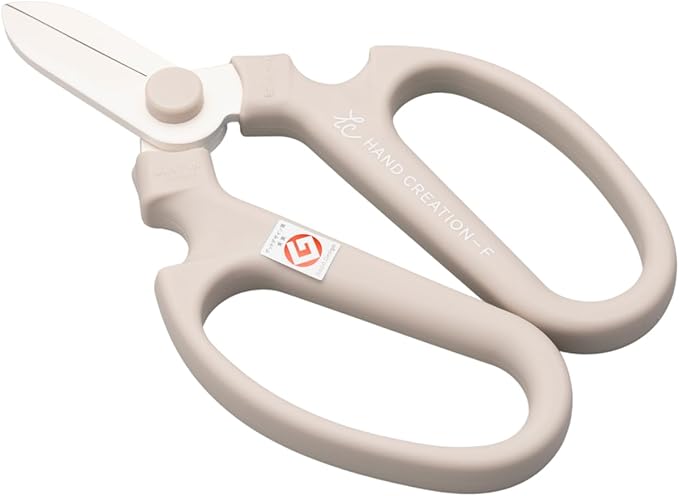
Sharpness stands out right away with these scissors, designed for anyone who does floral arranging, especially ikebana. Comfort in hand makes long flower sessions less tiring, which is where these scissors really show their value. Great for both professionals and hobbyists who want consistent, clean cuts.
Daily use is smooth thanks to the ergonomic design that fits naturally in your hand, reducing fatigue even after extended trimming. The fluorine-coated blades stay sharp and resist rust, so maintaining them is straightforward.
Cutting stems is clean and precise, helping flowers last longer in arrangements. The included blade case keeps the scissors safe and ready for the next use.
Cutting power is excellent with blades that glide through almost any flower stem without crushing. The build is durable due to skilled Japanese craftsmanship, offering reliable performance over time. The scissors are most praised for how smoothly they slice, though some users note the sharp edges need careful handling to prevent minor nicks.
The scissors feel balanced and well-made.
These scissors earn high marks for their clean cuts and comfort during long floral arrangements, but their sharpness calls for cautious use. The craftsmanship ensures they last, though some find handling the sharp blades a bit daunting at first.
People who want dependable, lasting floral scissors will be pleased with this choice, especially those doing intricate ikebana work. Anyone looking for a larger set or extra blades might want to consider other options.
Pros
- Ergonomic design reduces hand fatigue
- Fluorine coating keeps blades rust-resistant
- Handcrafted durability from Japan
- Includes protective blade case
Cons
- Edge sharpness requires careful handling
- Single unit count, no extra replacement blades
| Specification | Details |
|---|---|
| Brand Name | 京都 花明かり(Kyoto Hana Akari) |
| Model Number | F-170 |
| Manufacturer | SAKAGEN |
| Blade Coating | Fluorine-Coated Ultra Sharp Blades |
| Included Components | Blade Case |
5. Tokyodo Flower Materials Hand Creation

Excellent sharpness and durability make these scissors stand out for ikebana enthusiasts who want precise cuts and a comfortable grip. Suitable for anyone focused on flower arrangement, the biggest strength lies in its carbon steel blade combined with fluorine resin processing, keeping it sharper and easier to clean than regular scissors.
Daily use proves convenient with a 6.7-inch length that feels balanced in the hand. The elastomer resin handle offers a soft yet secure grip, reducing strain during longer arranging sessions.
The included blade edge case helps protect the tool when not in use or while traveling, adding a practical layer of safety and maintenance aid.
Cutting through stems is smooth and precise thanks to the carbon steel blade designed specifically for knife-like sharpness. The fluorine resin coating keeps glue and residue from sticking, making cleaning straightforward after use.
The most common praise is about its sharpness and easy cleaning; a noted downside is the moss green color, which some find unconventional or hard to spot among tools.
The scissors maintain sharp cuts and stay cleaner longer thanks to the fluorine resin coating, making them reliable for repeated use. The most frequent drawback is that the moss green color isn’t ideal for quick spotting among other tools or in busy workspaces.
Perfect for those who want precision and low maintenance in ikebana scissors with a secure grip and protective case. People needing a brighter or more visible tool or with bigger hands might want to consider alternatives better suited for their needs.
Pros
- Sharp carbon steel blade
- Easy to clean with fluorine resin coating
- Comfortable elastomer resin handle
- Includes protective blade sack
Cons
- Moss green color can be hard to spot
- Handle grip may feel small for larger hands
| Specification | Details |
|---|---|
| Total length | 6.7 inches (170 mm) |
| Blade material | Carbon steel for knives |
| Handle material | Elastomer resin |
| Processing | Fluorine resin |
| Included components | Blade Sack |
| Brand Name | Sakagen |
6. Wazakura Traditional Bonsai Scissors

Trying to get precise cuts on delicate ikebana arrangements demands scissors that offer control and sharpness without causing hand fatigue. Great for beginners and seasoned florists alike, these bonsai scissors deliver that level of precision thanks to their thoughtful design and craftsmanship from Japan.
Large butterfly-style handles fit comfortably in your hand, positioned close to the blade for excellent control without needing to squeeze hard. They feel balanced and natural during repeated cuts of stems or branches. The carbon steel blades stay sharp through multiple sessions, and their size fits well for detailed ikebana trimming, roses, or small indoor plants.
Cutting is clean and accurate, ideal for shaping delicate flowers or bonsai twigs without crushing. Built from high-carbon S58C black steel, these scissors hold their edge effectively and can be resharpened when necessary.
The most frequent praise is how well the handles aid precision cuts. The main downside mentioned is their weight, which might feel slightly heavy for prolonged use.
Handles close to the blade allow you to make accurate cuts without applying much force, making detailed work easier. The blades stay sharp and are easy to resharpen, but some notice the overall weight can tire hands after long use.
Those who appreciate sturdy, well-balanced scissors for bonsai and ikebana will find these a reliable choice. People who need ultra-light or very delicate trimming tools might prefer a lighter alternative better suited for tiny stems.
Pros
- Large butterfly handles for precise control
- Sharp blades keep edge during long sessions
- Compact size fits delicate flower stems
- Resharpening is straightforward
Cons
- Heavier than some other ikebana scissors
- Not ideal for very fine or lightweight trimming
| Specification | Details |
|---|---|
| Blade Length | 5.2 centimeters |
| Size | 180 x 95 x 17 mm (7.08 x 3.74 x 0.67 inches) |
| Cutting Width | 10 millimeters |
| Weight | 156 g |
| Material | S58C black carbon steel |
7. Leize Flower Scissors

Cutting branches up to 8mm thick makes these scissors a solid choice for anyone keen on detailed flower pruning or arranging. Great for florists or gardening enthusiasts who need a functional tool that handles small to medium stems with precision.
Handling is comfortable thanks to the ergonomic non-slip handle made from soft yet durable PP material. The forefinger grip helps keep a steady hold during use without tiring your hand, and the lightweight design makes them easy to carry around the garden or studio.
Setup simply means picking them up and getting started, no extra parts or adjustments needed.
The blades, crafted from high carbon steel, stay sharp and wear-resistant through regular use, cutting cleanly without crushing stems. The scissors have a sturdy feel and maintain a good balance, making them reliable for small pruning tasks.
Some note the cutting width of 8mm limits heavier garden work, which fits their intended use for flowers rather than thick branches.
Users appreciate how sharp and durable the blades are, allowing clean cuts without damaging delicate stems. The grip prevents hand fatigue during extended use. On the downside, some find the scissors limited by the 8mm cutting capacity for thicker garden work.
Ideal for florists and gardeners focused on flowers and small branches. Those needing scissors for pruning larger branches will want to seek heavier-duty tools.
Pros
- Sharp blades made of high carbon steel
- Ergonomic, soft, non-slip handles
- Lightweight at under 5 ounces
- Good for precise flower pruning and arrangement
Cons
- Only cuts branches up to 8mm thick
- Not suited for heavy garden pruning
| Specification | Details |
|---|---|
| Item Weight | 4.9 ounces |
| Item Dimensions L x W | 7.09″L x 4.33″W |
| Blade Length | 8 centimeters |
| Cutting width | 8 millimeters |
| Size | Medium |
8. Viseman Japanese Bonsai Pruning Scissors

Ideal for bonsai enthusiasts and ikebana artists who need precise cuts on soft stems and small branches, these pruning scissors stand out for their sharp, lightweight carbon steel blades. They excel where detail work matters most, offering control without the bulk of heavier shears.
Using these scissors requires no setup beyond a quick clean. Their looped, ergonomic handles fit comfortably in the hand, making extended pruning sessions less tiring. The sharp blades cut cleanly and smoothly, helping maintain plant health and beauty.
Everyday maintenance is simple thanks to the easy-to-clean design.
Cutting performance is precise, especially on soft stems and small branches. Construction is sturdy yet light at 0.2 kg, and users praise the sharpness and control. Some note the scissors are not suitable for dry or woody branches, limiting their use for tougher pruning tasks.
The scissors receive strong praise for their sharpness and ease of handling during detailed pruning tasks. However, users note that the blades struggle with anything tougher than soft stems, restricting their versatility in some garden tasks.
Those focusing on delicate flower arranging or bonsai trimming will appreciate the precision and comfort provided. For anyone who needs to cut thicker or dry branches regularly, a sturdier pruner would be a better fit.
Pros
- Lightweight and sharp carbon steel blades
- Ergonomic loop handle reduces hand fatigue
- Delivers clean, angled cuts on soft stems
- Easy to clean and maintain after use
Cons
- Not suited for cutting dry or woody branches
- Limited cutting width to 3.6 inches
| Specification | Details |
|---|---|
| Item Weight | 0.2 kg |
| Item Dimensions L x W | 3.6″L x 3.6″W |
| Cutting Width | 3.6 inches |
| Size | 3.6 inches |
9. Wazakura Koryu Ikebana Scissors

Koryu Ikebana Scissors stand out because of their premium Yasugi steel blades combined with the classic looped handle design. They are ideal for anyone into ikebana, floristry, or fine garden work who values precision and control.
Their biggest strength is delivering clean, precise cuts while minimizing hand fatigue.
Setting up these scissors requires no extra steps beyond basic cleaning. The Tsuru looped handles offer a familiar feel for those used to Japanese tools, while the short blades with a long shank provide superb control without strain. Weighing just 210 g, they strike a balance between solid build and manageable weight, making them comfortable to use for extended periods.
Cutting stems and flowers is smooth and accurate, thanks to hand-forged Yasugi steel known for its sharpness and durability. Made in Sanjo by third-generation artisans, the build quality reflects deep craftsmanship traditions. Most users praise their clean cuts and comfortable grip.
A common downside is the relatively short blades, which can feel limiting for larger branches.
The scissors offer consistently clean and precise cuts thanks to high-quality Yasugi steel forged by skilled artisans. Their comfortable looped handles help avoid hand fatigue, although the short blade size is reported to limit use on bigger stems or branches.
People focusing on delicate flower arranging and fine garden pruning will appreciate these scissors’ control and comfort. Those needing longer blades for rougher or larger cuts might want to consider a different tool better suited for heavy-duty work.
Pros
- Exceptional edge sharpness from Yasugi steel
- Comfortable Tsuru looped handles minimize hand strain
- Lightweight yet sturdy construction
- Compact blades allow precise cuts in detailed work
Cons
- Blade length feels short for larger garden tasks
- May require occasional sharpening for heavy use
| Specification | Details |
|---|---|
| Blade Length | 45 mm (1.8 in) |
| The overall size measures 165 x 106 x 17 mm (6.5 x 4.2 x 0.7 in). | |
| Weight | 210 g (7.4 oz) |
| Steel Type | YCS3 alloy tool steel |
| Handle Style | Tsuru looped handles |
| Origin | Sanjo, Niigata, Japan |
10. Sakagen Japanese Floral Scissors F-170

Sakagen Japanese Floral Scissors F-170 are designed for professional floral work, offering precision cutting and durability suited for serious ikebana enthusiasts. The standout feature is the fluorine-coated carbon blade, which holds its edge longer and resists wear better than standard blades.
Handling these scissors is straightforward with a comfortable weight of 4.8 ounces and an ergonomic size of 6.7 by 4.3 inches. The black fluorine coating keeps sticky sap and dirt less visible, making cleanup quick and keeping the scissors looking fresh after every use.
The roughly 2-inch blade cuts through stems smoothly without frequent sharpening.
The build quality reflects fine Japanese craftsmanship; the blade stays sharp with notable smoothness during cuts. Most users note the lasting edge and solid durability as strong points. Some mention the blade length might feel short for larger stems, which can slow down work on bigger arrangements.
The scissors are praised for their sharpness retention and smooth cutting, important for precision in floral arrangement. The main drawback noted is the relatively short blade that can make cutting larger materials slower or awkward.
Ideal for florists who need a reliable, clean-looking tool for delicate stem trimming. Users working frequently with bulkier plant material might prefer a longer blade for efficiency.
Pros
- Durable fluorine-coated carbon blade
- Long-lasting sharpness with minimal wear
- Black finish masks sap and dirt
- Comfortable weight and size for detailed work
Cons
- Blade length may be short for bigger stems
- On the pricier side compared to basic models
| Specification | Details |
|---|---|
| Item Weight | 4.8 ounces |
| Item Dimensions L x W | 6.7″L x 4.3″W |
| Blade Length | 1.97 inches |
| Blade Material | Fluorine-coated carbon steel |
11. Wazakura Ikenobo Ikebana Scissors

Handling these scissors feels natural, with the curved Warabi handles fitting comfortably in hand and enabling precise cuts. Perfect for anyone serious about ikebana, their long-lasting Yasugi stainless steel blade stays sharp and handles tough stems well. Their traditional design isn’t just for looks but practical use, making flower arranging smoother.
Using the scissors day-to-day is straightforward thanks to the classic Ikenobo Warabi handles, which also help crush stem ends to improve water absorption. The balance of the tool feels right, partly because of the careful handcrafting by 3rd-generation artisans in Sanjo.
Cleaning is simple, and the curved shape gives better control when working with intricate branches and leaves.
The SLD Alloy Tool Steel blade cuts cleanly through flowers, wood, and branches without needing much force. Built for durability with Yasugi specialty stainless steel, the edge remains sharp over time and resharpens easily. Most praise highlights the handle comfort and sharpness, while occasional notes mention that the scissors may feel slightly heavy for prolonged use.
The scissors are often praised for their comfortable handles and the sharpness of the Yasugi stainless steel blade. Users note the edge stays durable and is easy to sharpen. A common drawback is that the weight may cause hand fatigue during extended flower arranging sessions.
Ideal for enthusiasts who value traditional craftsmanship combined with effective cutting performance. Those seeking very lightweight scissors for all-day use might want to consider alternatives with lighter materials.
Pros
- Comfortable curved handle design
- Durable and long-lasting sharp edge
- Handcrafted by experienced artisans
- Helps crush stems for better hydration
Cons
- May feel slightly heavy for long use
- Sharpness requires occasional resharpening
| Specification | Details |
|---|---|
| Material | SLD Alloy Tool Steel |
| Handle Style | Classic Ikenobo Warabi Handles |
| Manufacturing Location | Sanjo, Niigata, Japan |
| Steel Type | Yasugi Specialty Stainless Steel |
| Model Number | TBT-1036 |
12. Sakagen Ikebana Flower Scissors Koryu

Designed for serious floral artists, these scissors suit anyone focused on precision in Ikebana flower arranging. Their greatest strength lies in the balance and sharpness crafted specifically for clean, artistic cuts needed in traditional Japanese floral design.
Using them feels natural from the start thanks to the perfectly balanced shape and the precise blade angle. Carrying the included scissor case makes storage and transport easy.
Daily trimming and delicate shaping go smoothly, making repetitive tasks less tiring. Cleaning remains simple due to the quality finish and materials used in crafting.
Made in Japan by specialists with over a century of experience, these scissors deliver expert-level sharpness thanks to hand-finishing by skilled artisans. They excel at clean cutting without crushing stems.
The build is solid but light enough to handle comfortably for extended periods. Most find the sharpness outstanding, although a few mention a learning curve adjusting to the specific blade angle.
Scissors are extremely sharp and well balanced, allowing for clean, controlled cuts that suit intricate flower arrangements. Some find the blade angle slightly different from typical scissors, requiring time to adapt. The quality of craftsmanship is evident, showing in smooth cutting performance and comfort during use.
People engaged in traditional Japanese flower arranging will appreciate the fine attention to detail and precision offered. Those looking for a general-purpose or adjustable pair of scissors might prefer other options that offer more variety in size or blade style.
Pros
- Sharp blades hand-finished for precision
- Balanced shape reduces hand fatigue
- Compact case included for safe storage
- Specialized design for Ikebana floral work
Cons
- Blade angle requires adjustment period
- Only one size option available
| Specification | Details |
|---|---|
| Brand Name | 京都 花明かり(Kyoto Hana Akari) |
| Manufacturer | SAKAGEN |
| Model Number | 204 |
| Manufacturer Part Number | T5-SN01-988N |
| Included Components | scissor case |
| Number of Items | 1 |
Best Ikebana Scissors Comparison Table
| Product | Size | Weight | Cutting Width | Included Components |
|---|---|---|---|---|
| Wazakura Ikenobo Scissors | 6.5inch/165mm | 150 g | 1.77 inches | – |
| Wazakura Koryu Scissors | 6.7 inch (170mm) | 185 g | 45 millimeters | – |
| Wazakura Ikenobo Scissors | 6.5 in (165 mm) | 169 g | 1.69 inches | – |
| Sakagen Floral Scissors F-170 | – | – | – | Blade Case |
| Tokyodo Flower Materials | – | – | – | Blade Sack |
| Wazakura Bonsai Scissors | 7.08″L x 3.74″W | 156 g | 10 millimeters | – |
| Leize Flower Scissors | Medium | 4.9 ounces | 8 millimeters | – |
| Viseman Bonsai Pruning | 3.6 inches | 0.2 kg | 3.6 inches | – |
| Wazakura Koryu Scissors | – | – | – | – |
| Sakagen Floral Scissors F-170 | 6.7 × 4.3 inches | 4.8 ounces | 1.97 inches | – |
| Wazakura Ikenobo Scissors | – | – | – | Yasugi Stainless Steel |
| Sakagen Koryu Scissors | – | – | – | scissor case |
- Size6.5inch/165mm
- Weight150 g
- Cutting Width1.77 inches
- Included Components–
- Size6.7 inch (170mm)
- Weight185 g
- Cutting Width45 millimeters
- Included Components–
- Size6.5 in (165 mm)
- Weight169 g
- Cutting Width1.69 inches
- Included Components–
- Size–
- Weight–
- Cutting Width–
- Included ComponentsBlade Case
- Size–
- Weight–
- Cutting Width–
- Included ComponentsBlade Sack
- Size7.08″L x 3.74″W
- Weight156 g
- Cutting Width10 millimeters
- Included Components–
- SizeMedium
- Weight4.9 ounces
- Cutting Width8 millimeters
- Included Components–
- Size3.6 inches
- Weight0.2 kg
- Cutting Width3.6 inches
- Included Components–
- Size–
- Weight–
- Cutting Width–
- Included Components–
- Size6.7 × 4.3 inches
- Weight4.8 ounces
- Cutting Width1.97 inches
- Included Components–
- Size–
- Weight–
- Cutting Width–
- Included ComponentsYasugi Stainless Steel
- Size–
- Weight–
- Cutting Width–
- Included Componentsscissor case
How to Choose the Right Ikebana Scissors
Choosing the right ikebana scissors involves considering blade sharpness, handle comfort, and overall durability. Sharp blades make precise cuts, while comfortable handles reduce hand fatigue during use. Picking quality scissors from the start helps avoid frequent replacements and ensures better crafting results.
Blade Sharpness and Quality
Blades that stay sharp make a noticeable difference when trimming plant stems. Dull edges tend to crush rather than cut cleanly, causing damage that can lead to quicker wilting or infection.
A sharp blade glides through stems, preserving the integrity of the flower and encouraging longer vase life. Choosing scissors made from stainless steel or carbon steel helps prevent rust, which not only degrades blade quality but also risks contaminating the plant.
The blade shape and thickness should match the types of flowers you often work with. Thinner blades suit delicate, small stems, while thicker, sturdier blades handle woody or tougher material without bending. Strong rivets and full tang construction contribute to lasting sharpness, reducing the frequency of sharpening needed during regular use.
Handle Comfort and Ergonomics
Spending hours arranging flowers can quickly tire sore hands if scissors don’t fit well. Handles that conform to your grip shape and size let you work longer without cramping or discomfort. Ergonomic designs that accommodate either left- or right-handed users make a notable difference when precision is needed.
Non-slip coatings or rubberized grips provide added safety, especially when working with wet hands or moist stems. These materials prevent accidental slips, improving control and reducing the chance of injury or damaging delicate arrangements.
Size and Weight
Finding the right balance between precision and control often depends on the length and weight of the scissors. Shorter scissors give better maneuverability around intricate designs but may tire your hand faster if they are heavy. Lightweight models excel for detailed cutting of thin stems, allowing fine movements without strain.
Heavier or slightly longer scissors provide the leverage needed to snip through tougher or thicker stems more cleanly. However, overly large scissors can be unwieldy in tight spaces, making it harder to maintain the flow of the arrangement as you work.
Maintenance and Cleaning
Scissors that come apart easily allow for better cleaning and sharpening, essential steps to keep tools working well over time. Residue buildup from sap and plant matter is common; materials resistant to gumming up, like stainless steel, reduce how often deep cleaning is needed.
Regular care, such as wiping blades after each use, applying a light oil, and occasional sharpening, will prevent rust and preserve blade sharpness. Neglecting basic maintenance can lead to dull blades and compromised cutting quality within a short time.
Safety Features
Blade guards or covers are practical for protecting the sharp edges during storage, preventing dulling and accidental cuts when reaching into drawers. Locking mechanisms that keep the scissors closed add an extra layer of safety at home or in transport.
Rounded or blunted tips can reduce injury risk without sacrificing cutting ability, especially if you move your hand close to the cutting area frequently. Scissors with carefully designed safety features ensure safe and confident use every day.
Proper Maintenance and Sharpening Techniques for Ikebana Scissors
Keeping ikebana scissors in good condition extends their lifespan and ensures clean, precise cuts. After each use, wiping the blades with a soft cloth prevents sap and moisture buildup, which can cause rust.
Occasionally applying a drop of sewing machine oil to the pivot helps maintain smooth blade movement. For sharpening, use a fine whetstone or a Japanese water stone specifically designed for delicate blades. Work slowly, maintaining the original bevel angle, usually around 20 degrees.
Avoid using coarse or electric sharpeners, as these can damage the blades.
Maintenance tips:
- Clean blades after every use
- Oil the pivot point lightly
- Store in a dry place to prevent rust
- Sharpen gently, following the blade’s edge angle
Consistent care keeps the scissors sharp and allows for precise cuts, which are essential in ikebana arrangements.
Common Mistakes to Avoid When Using Ikebana Scissors
One common mistake is using ikebana scissors to cut materials they are not designed for, such as thick stems or floral wire. This puts unnecessary stress on the blades and can lead to dullness or damage.
Another error is applying uneven pressure while cutting, which can cause jagged edges on stems and affect the plant’s ability to absorb water. Avoid twisting the scissors while cutting, as this can misalign the blades.
Other pitfalls include:
- Neglecting regular cleaning, leading to sap buildup
- Not storing scissors properly in a dry place
- Sharpening with improper tools or at the wrong angle
Being mindful of these mistakes prevents damage and helps maintain the precision needed for delicate ikebana work.
Comparing Ikebana Scissors with Traditional Floral Shears and Alternatives
Ikebana scissors have thinner, sharper blades compared to traditional floral shears, designed for precise, delicate cuts on softer stems and leaves. Floral shears are usually bigger and sturdier, making them great for thicker branches but not as good for detailed trimming. Japanese ikebana scissors often have a straight or slightly curved blade suited to the exacting aesthetics of the art form.
When comparing alternatives:
- Traditional floral shears are heavier and better for rough pruning
- Ikebana scissors offer fine control and cleaner cuts on fragile plant parts
- Pruning shears are not suitable for delicate stems due to blade size and pressure
Choosing the right tool depends on the type of plants and the style of arrangement being created. Ikebana scissors excel in giving a refined finish that traditional floral tools can’t match.
People Also Asked
How Do I Care for Ikebana Scissors to Keep Them Sharp?
Keep ikebana scissors sharp by cleaning them after each use and oiling the pivot point occasionally. Wiping the blades with a cloth prevents sap buildup that dulls the edge. Regular sharpening with a fine whetstone helps maintain a clean cut.
What Size Ikebana Scissors Is Best for Beginners to Use?
A medium size, around 7 to 8 inches, is good for beginners because it offers better control without being too small or heavy. This size works well for most flower arrangements, making it easier to learn cutting techniques.
Are Ikebana Scissors Safe for Children to Handle?
Ikebana scissors are not ideal for children due to their sharp blades and pointed tips. Supervision is necessary if they must use them, and safer, blunt-tipped scissors designed for kids are generally recommended instead.
How Long Do Ikebana Scissors Typically Last with Regular Use?
With regular use and proper maintenance, ikebana scissors can last several years. Keeping them clean, sharpening them periodically, and storing them dry prevents rust and wear. Neglected scissors may dull or rust quickly, reducing their lifespan.
What Are Common Problems When Using Ikebana Scissors and Solutions?
Common issues include dull blades causing crushed stems or difficulty cutting through thick branches. Regular sharpening and using the right scissors size for the plant material solve most problems. Cleaning sap residue also avoids sticky blades that hinder smooth cuts.
Conclusion
Sharpness, comfort, and durability are key factors for ikebana scissors. The blades need to cut cleanly through stems without crushing them.
Handles should fit your hand well to allow precise control over your arrangement. Strong materials prevent wear from frequent use and exposure to moisture.
Choose scissors that suit your workspace and how often you’ll be arranging flowers. A very expensive pair may not be necessary if you only create simple pieces occasionally. Check the comparison table and product details above to find the scissors that best meet your needs and budget.

I’m Cody Harrison, a lifelong hunter who has spent many seasons in the woods, marshes, and open country. I write about hunting gear, rifle and bow setups, scouting strategies, tree stands, and field safety. I share lessons from real hunts to help both beginners and experienced hunters prepare better, hunt smarter, and get more out of every trip.


