
Top 12 Best Drill Pump for Gasoline You Can’t Miss Today
Fuel transfer often turns frustrating when the pump leaks, clogs, or just doesn’t fit the container properly. The best drill pump for gasoline cuts through these issues by providing a leak-resistant seal and a tube length that matches your fuel can, so you don’t have to awkwardly tip containers or clean spills. Cheap models tend to wear out quickly or struggle with thicker fuels, making simple tasks take much longer than they should.
A good gasoline drill pump is built with chemical-resistant materials like heavy-duty plastic or stainless steel to handle gasoline safely without degrading. The diameter of the fitting must closely match standard fuel can openings, usually around 1 inch, to avoid air gaps that cause sputtering. Power compatibility is key as well; the pump should run smoothly on common drill speeds, around 500 to 1500 RPM, so it moves fuel quickly without causing damage or overheating.
Easy disassembly for cleaning is a bonus due to the residue gasoline leaves behind.
Need a Quick Check?
| Image | Product | Price |
|---|---|---|
Our Top Picks 1  | Electric Drill Pump | Check Price |
Our Top Picks 2  | Hand Drill Water Pump | Check Price |
Our Top Picks 3  | Hand Drill Oil Pump | Check Price |
Our Selected Top 12 Drill Pump for Gasoline Worth Your Money
This list features reliable drill pumps designed for transferring gasoline efficiently. Each review covers performance details, ideal user scenarios, and highlights both strengths and limitations to help you choose the right pump for your specific fuel handling needs.
1. Electric Drill Pump
Using the Electric Drill Pump feels straightforward, especially when you need to transfer gasoline or other liquids quickly. It’s perfect for those who already have an electric drill and want a pump attachment that handles decent volumes without fuss. The standout quality is its reliable flow rate, making liquid transfer tasks faster and less tiring.
Setup is simple since it fits standard electric drills with a quick installation. The inlet and outlet sizes are practical for common hoses, and its durable plastic construction means you don’t worry about damage during regular use.
Everyday pumping is smooth, provided the drill speed stays within the recommended range. The pump is lightweight enough to handle easily but sturdy enough to hold up over time.
Performance meets expectations with a flow rate around 15 liters per minute when powered by a standard drill. It manages a lifting height of up to 3 meters, suitable for most jobs involving gasoline transfer. The build quality is solid, with high-grade plastic that lasts.
Strong points include consistent flow and quick setup; common drawbacks involve dependence on the drill speed and occasional fit issues with some drill models.
The pump delivers a steady and fast flow, around 15 liters per minute, which users appreciate for quick transfers. Most complaints center on how the performance varies with drill speed and occasional installation challenges on certain drills. Its durable plastic body gives confidence for long-term use without frequent replacements.
Anyone who owns an electric drill and needs a practical pump for gasoline or similar liquids will like this tool. It suits well for moderate volume transfer jobs and those comfortable adjusting drill speed. People needing a consistent output regardless of drill may want to look for a self-powered pump instead.
Pros
- Fast pumping speed up to 30L/min with drill speed
- Durable, high-quality plastic construction
- Easy to install on most electric drills
- Handles lifting height up to 3 meters
Cons
- Flow rate depends heavily on drill speed
- Compatibility can vary with some drill models
| Specification | Details |
|---|---|
| Power Source | Corded Electric |
| Flow Rate | 15 liters per minute |
| Maximum Lifting Height | 3 meters |
| Compatible Devices | Electric Drill |
| Inlet/Outlet Inner Diameter | 0.63in / 16mm |
2. Hand Drill Water and Oil Transfer Pump
Hand Drill Water and Oil Transfer Pump offers a reliable method for transferring gasoline or other liquids using an electric drill. Its biggest strength lies in durability and compatibility with most high-speed drills, making it a practical tool for occasional or emergency fuel pumping.
Setup is straightforward since it attaches to a standard electric drill that spins faster than 1300 RPM. The pump is light and made from sturdy plastic with rubber sealing parts, so it fits well and feels secure on the drill shaft.
Day-to-day use involves just connecting the hoses and holding the drill steady as it moves liquid quickly without extra power sources.
It pumps up to 12.5 gallons per minute, which handles gasoline transfer efficiently if your drill runs at the correct speed. The body is built from corrosion-resistant plastic and the shaft is stainless steel, so it stands up to repeated use.
Review comments often praise the solid materials, although some mention it can leak if the seals wear out.
Many reviews highlight the sturdy construction and smooth operation as key benefits, but some mention leaks if seals degrade. Regular inspection can prevent issues during use.
This pump suits people with compatible electric drills for occasional fuel transfer. Those needing a self-powered or larger-capacity pump might want to look for alternatives.
Pros
- Works with drills over 1300 RPM
- Durable plastic body and corrosion-resistant
- Quick flow rate of 12.5 gallons per minute
- Simple and lightweight design
Cons
- Seals may leak after extended use
- Requires a compatible drill to operate properly
| Specification | Details |
|---|---|
| Power Source | Drill Powered |
| Flow Rate | 12.5 gpm |
| Compatible Devices | Electric Drill |
| Material | Plastic body, stainless steel shaft, rubber impeller |
3. Hand Drill Water and Oil Transfer Pump
High-quality plastic forms the body and cover of this pump, making it sturdy and resistant to corrosion. Suited for anyone with an electric drill who needs a compact and durable option for transferring gasoline or other liquids.
Its ability to pair with a variety of drill speeds stands out as its biggest strength.
Attaching the pump to a drill is straightforward, with stainless steel shafts that fit most electric drills easily. The hand drill power source means you control the speed and flow simply by operating the drill.
Its rubber impeller and hose adapters ensure good sealing, which keeps things steady during use. Handling it daily involves minimal effort once set up.
Flowing up to 12.5 gallons per minute, this pump handles water and oil transfer effectively with drill speeds above 1300 RPM. The sturdy plastic and stainless steel shaft provide durability, with corrosion resistance that supports long-term use.
Users praise its reliable flow rate, while some note it requires a drill at the right speed for best performance.
The pump delivers up to 750 gallons per hour when used with a suitable drill, offering strong flow and stable operation thanks to good sealing and durable materials. Some users mention that it doesn’t perform well with slower or lower-quality drills, limiting its effectiveness.
Those with a reliable electric drill running above 1300 RPM will appreciate this pump’s efficiency and build quality. People without a compatible drill or who need a self-powered pump may want to consider different options better suited to their needs.
Pros
- Sturdy plastic body resists corrosion well
- Fits all types of electric drills
- High flow rate with fast drills
- Good sealing with rubber impeller and adapters
Cons
- Requires drill speed higher than 1300 RPM
- Performance varies with drill quality
| Specification | Details |
|---|---|
| Power Source | Drill Powered |
| Flow Rate | 12.5 gpm |
| Compatible Devices | Electric Drill |
| Maximum Discharge | 750 gallon per hour |
4. Portable Electric Drill Water Pump

Quiet operation stands out the most about this pump, making it ideal for anyone needing a low-noise solution for moving water using a drill. It’s great for those who want a versatile pump to handle tasks like emptying aquariums or pool skimmers without loud distractions.
Setting up involves simply attaching the pump to any suitable corded or cordless electric drill. The self-priming design means you don’t have to worry much about manual priming.
You just secure the water pipe tightly to the nozzle and ensure the flow direction is correct, which is clearly marked. The lightweight, compact size also helps in quick uses and easy storage.
Performance-wise, the pump can lift water up to 3 meters, which covers many household and light outdoor jobs effectively. Its motor runs quietly and reliably, avoiding the noise common in other drill pumps. The build is straightforward but sturdy enough for repeated use.
Positive mentions often highlight its quietness, while frequent complaints relate to ensuring the pipe joints are sealed securely to avoid leaks.
The quiet motor receives the most consistent praise, making it a clear choice for noise-sensitive environments. The common issue reported relates to leaks if the water pipe is not sealed tightly, which takes some care during setup.
Ideal users are those with electric drills who need a reliable, quiet pump for draining or transferring water. People needing higher lift or less fuss with connections might want to look at specialized pump units instead.
Pros
- Very quiet motor operation
- Fits most electric drills
- Easy to install and use
- Capable of lifting water 3 meters high
Cons
- Requires tightly sealed pipe joints
- Limited lift height to 3 meters
| Specification | Details |
|---|---|
| Power Source | hand_powered |
| Maximum Lifting Height | 3 meters |
| Compatible Devices | electric drills |
| Design Feature | Self-priming |
5. Milescraft 1314 Self-Priming Drill Water Pump
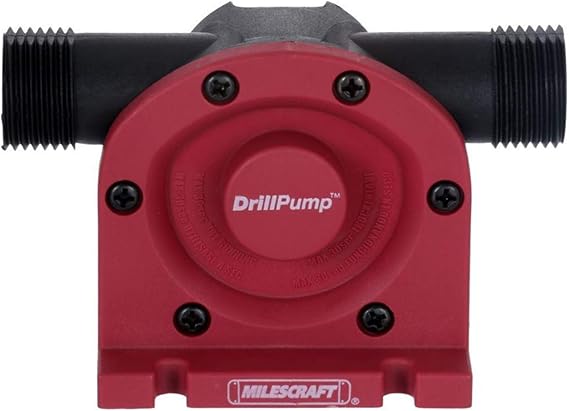
Ideal for pumping gasoline from barrels or tanks, this drill pump fits standard drills and garden hoses, making it a convenient choice for anyone needing a quick, portable fuel transfer solution. Its ability to move up to 750 gallons per hour really stands out for efficiency.
Attaching the pump to a common 3/8” drill chuck is straightforward, and it connects easily to any 3/4″ garden hose. The setup feels secure and stable during operation. After every use, a little silicone grease is needed on the rubber fan blades inside, which helps keep it running smoothly without spray lubricants.
It pumps at a steady 12.5 gallons per minute with a lifting height up to 12 feet, handling fuel transfer without trouble. The build is simple but practical, designed for repeated use while being careful not to hand-turn the unit.
The strongest praise notes its reliable flow rate, while some users mention the need for regular greasing as a minor drawback.
Reliable flow rate and compatibility with standard drills and hoses are key strengths, making fuel transfer efficient. Most users mention regular greasing of the rubber fan blades as a necessary step to maintain smooth operation.
Anyone needing a quick, drill-powered gasoline transfer will find it practical and effective. Those looking for a pump without routine maintenance or manual operation might want to consider other options.
Pros
- Handles up to 750 gallons per hour
- Fits common 3/8” drill chucks
- Works with standard garden hoses
- Simple maintenance with silicone grease
Cons
- Requires regular silicone grease application
- Must be powered by a drill, no manual use
| Specification | Details |
|---|---|
| Power Source | Corded Electric |
| Flow Rate | 12.5 gpm |
| Maximum Lifting Height | 12 feet |
| Hose Connection Size | 3/4″ |
| Shank Size | 3/8” |
6. RotoPump Self-Priming Drill Water Transfer Pump

Dealing with unwanted gasoline or other liquids can be frustrating, especially when trying to avoid spills or leaks. The RotoPump Self-Priming Drill Water Transfer Pump suits anyone needing a simple way to move liquids using a drill.
Its biggest strength is how easily it attaches to any drill, making liquid transfer quick and controlled.
Setting it up takes just a few moments since it fits any drill with its universal 3/4-inch threading. You just connect the pump body to your drill, attach the included tubes or a garden hose, and start pumping.
The setup makes it easy to handle liquids from water heaters, aquariums, or fuel containers without bending over or making a mess.
Pumping gasoline or similar liquids works well thanks to the 12.5 gallons per minute flow rate and max lift height of 15 feet. The pump’s body feels sturdy, designed for reliable use.
Many users appreciate how quickly it empties tanks, though some mention it’s not suitable for more viscous fluids or very long pumping sessions.
Users often highlight how fast and easy the pump moves liquids with just a cordless drill, cutting down on spills and manual effort. Some find it less effective when dealing with thicker fluids or needing to pump liquid over longer distances.
People who want a straightforward, portable pump for gasoline or water will appreciate this accessory. Anyone needing to handle more stubborn fluids or higher lifts should consider more heavy-duty options.
Pros
- Attaches quickly to any drill
- Works with garden hoses or included tubes
- Self-priming for easy startup
- Good flow rate for fast pumping
Cons
- Not ideal for thick or viscous liquids
- Limited to 15 feet maximum lift height
| Specification | Details |
|---|---|
| Power Source | Attach to Any Drill |
| Flow Rate | 12.5 gpm |
| Maximum Lifting Height | 15 feet |
| Compatible Devices | Drill |
| Threading Size | 3/4-inch |
7. Mini Electric Drill Water Transfer Pump

Runs off any standard electric hand drill, making it highly versatile for gasoline transfer tasks. Lightweight and crafted with engineering plastic, this pump strikes a balance between strength and portability.
Perfect for anyone who wants a portable, drill-driven pump that’s easy to handle for outdoor or workshop use.
Setup involves attaching the pump to an electric drill, then connecting the included hoses with clamps to ensure a tight fit. The metal fixed tripod holds the pump steady, freeing your hands for other tasks.
It handles water, oil, and similar liquids smoothly, so setting it up to move gasoline or other fluids becomes straightforward. Operating it at moderate speed keeps the flow even and steady.
Build quality feels solid thanks to the engineering plastic shell and metal tripod, giving confidence in durability during frequent use. Its main strength lies in safe, contamination-free liquid transfer, while the top complaint revolves around limitations on operating temperatures and no sewage use. It performs well within its intended scope but shouldn’t be pushed beyond 49℃ (120°F).
The strongest point is the pump’s ability to transfer liquids cleanly and safely using a common electric drill, backed by durable materials and a steady tripod stand. Users often note the temperature limit, which restricts using it in hotter conditions or with hotter fluids beyond 49℃ (120°F).
Ideal for those needing a portable pump for gasoline and water-based liquids who have an electric drill ready. Anyone requiring hot liquid pumping or effluent handling should look for more specialized equipment designed for higher temperature or sewage use.
Pros
- Lightweight and strong engineering plastic shell
- Hands-free operation via metal fixed tripod
- Safe liquid transfer without contamination
- Compatible with most electric hand drills
Cons
- Limited to operation below 49℃ (120°F)
- Not suitable for sewage or effluent pumping
| Specification | Details |
|---|---|
| Power Source | Corded Electric |
| Compatible Devices | electric hand drill |
| Operating Temperature | 5-49℃ (41°F-120°F) |
| Material | Engineering plastic shell |
| Package Includes | 1 electric drill pump, 2 hose clamps, 2 brackets, 2 screws |
8. Self-Priming Oil Pump for Electric Drill
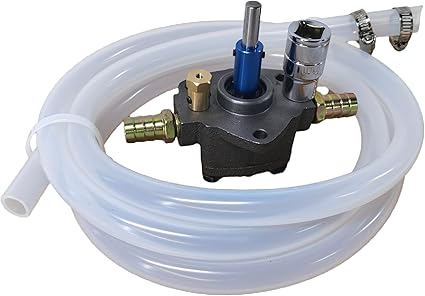
Ideal for people who need an easy way to transfer lubricating oils, this oil pump works with any standard electric drill. Its biggest strength lies in durable cast iron construction, making it reliable for regular oil changes or fluid transfers without worry about quick wear.
Setup is straightforward, thanks to its universal fit and included 2-meter silicone hose that resists oil and aging. It attaches to a drill with no hassle and can handle oils like engine or transmission fluids.
The dual-specification sleeves fit different shaft sizes, so it adapts to varying drill models without extra parts. Once connected, the automatic operation saves effort throughout use.
The pump handles up to 3.5 liters per minute at 1800 rpm, moving oil efficiently with a vertical suction lift of 3 meters. Cast iron makes it tough against wear, ideal for repeated use on cars. Praises usually mention its sturdy feel and smooth flow, though some mention occasional fit quirks needing minor adjustments for perfect sealing.
The oil pump is praised for its solid cast iron construction and consistent flow rate during oil transfers. Common complaints focus on the occasional need to tweak the fit for a leak-free connection, which can slow the initial setup.
People performing regular oil changes will appreciate its reliability and compatibility with most drills. Anyone needing higher suction or a plug-and-play fit may want to explore options better tailored for heavier or less adaptable use.
Pros
- Durable cast iron body
- Automatic operation mode
- Two sleeve sizes for drill shafts
- Oil-resistant silicone hose included
Cons
- Fit can require slight adjustments
- Vertical suction lift limited to 3 meters
| Specification | Details |
|---|---|
| Fit Type | Universal Fit |
| Output Flow Rate | 3.5L/min at 1800 rpm |
| Vertical Suction Lift | 3 meters |
| Mounting Type | Tank Mount |
| Connector Type | Quick connect fittings |
| Hose Length | 2 meters |
9. Gasoline Siphon Hose Water Transfer Pump

Gasoline Siphon Hose Water Transfer Pump stands out with its larger 15mm diameter hose, allowing faster pumping than most gas transfer pumps. Ideal for anyone needing a quick and easy way to move gasoline from tanks for cars, motorcycles, or small engines, it shines by making manual liquid transfer simple without extra tools.
Setup is straightforward. Attach the PVC hoses, place the upper hose in the fuel tank, and lower hose into the container you want to fill.
The black siphon bulb has a clear arrow to indicate flow direction, and with a few squeezes, the liquid starts moving automatically. It’s portable at just 290g, easy to handle, and works universally across many vehicle types.
Performance is solid with a built-in one-way stop valve in the siphon bulb to prevent backflow, improving pumping efficiency. The universal fit works well with gasoline, diesel, and oil.
The product feels lightweight yet sturdy due to good-quality materials. The strongest point is the quick flow from the upgraded hose size. Some users note occasional issues maintaining a consistent siphon start but squeezing the bulb firmly usually solves this.
The built-in one-way stop valve effectively stops backflow, making pumping more reliable. Many find the initial siphon starting requires some effort and a few tries with the bulb to get liquid moving. This is common with manual siphon pumps.
This pump suits anyone who wants a lightweight, universal manual siphon for gasoline and similar fuels, especially when power sources aren’t available. Those preferring an electric or automatic pump should look elsewhere.
Pros
- Large 15mm hose for faster liquid transfer
- Built-in one-way stop valve prevents backflow
- Universal fit for many vehicle types
- Lightweight and portable at 290g
Cons
- Occasional difficulty initiating siphon flow
- No power assist, purely manual pumping
| Specification | Details |
|---|---|
| Fit Type | Universal Fit |
| Compatible Vehicle Type | Car, Motorcycle, Lawnmower, Snowblower, Tractor, ATV |
| Operation Mode | Manual |
| Inlet Connection Type | Hose Barb |
| Outlet Connection Type | Barb |
| Weight | 290g |
10. Hand Drill Water Transfer Pump 2 Pack

Hand Drill Water Transfer Pump 2 Pack is designed for anyone who needs a simple way to pump gasoline or other liquids without relying on electrical power. It works best when paired with a powerful electric drill and excels at making liquid transfer quick and manageable thanks to its smart connection design.
Set up takes just a few moments since the hexagonal shape makes attaching the pump to hoses easier than traditional round designs. Daily use revolves around connecting the pump to an electric drill and using the drill’s power to push liquids through. The interface keeps hoses secure, reducing the chance of leaks or disconnections during pumping tasks involving water, oil, diesel, or gasoline.
Performance depends largely on the electric drill’s power; stronger drills result in faster water flow. The pump’s build feels solid and the clever interface design ensures the hose stays firmly attached.
Most praise highlights how easy and reliable the pump stays connected. The only downside mentioned often is that pumping speed varies with the drill’s strength, so weaker drills slow the process considerably.
Users appreciate how firmly the pump connects to hoses and holds during use, avoiding common slips and spills. Frequent remarks note that the flow rate depends heavily on how powerful the attached drill is, which can limit efficiency with weaker devices.
Great for anyone who already owns a strong electric drill and needs a flexible liquid transfer tool. Less ideal for users without an electric drill or those needing consistent high-speed pumping without manual effort.
Pros
- Works without any power supply except electric drill
- Hexagonal shape simplifies hose connections
- Secure interface reduces hose drop and leaks
- Suitable for multiple liquids like water, oil, and diesel
Cons
- Pumping speed varies with drill power
- No pump action without an electric drill
| Specification | Details |
|---|---|
| Power Source | drill powerd |
| Compatible Devices | electric drill |
11. Drill Powered Water Transfer Pump 12 Pack

Using a drill powered water transfer pump feels straightforward and efficient, especially when you need to move gasoline safely. It suits anyone looking for a simple, manual pump that attaches to an electric drill.
Its biggest strength lies in the heavy-duty brass adapters, which ensure reliable connections without leaks.
Setup involves attaching one of the brass hose adapters to your drill and connecting the flexible water and oil hoses. The hoses are just the right size for gasoline or water transfer tasks, making it versatile for things like garden irrigation or vehicle maintenance.
It stays sturdy during use and resists corrosion, so frequent handling doesn’t wear it out quickly.
The pump handles up to 12.5 gallons per minute, making gas transfer quick enough without overworking the drill. The solid brass fittings avoid rust and maintain a secure seal, which helps prevent dangerous leaks. Praise focuses on its durability and leak resistance.
On the downside, connecting the hoses can be fiddly, and some users find it takes a bit of strength when using a less powerful drill.
Durability and leak-proof brass connectors are key strengths during everyday use, making gasoline transfer safe and reliable. Some find attaching the hoses challenging, and weaker drills make pumping more difficult. These details shape the experience of handling this drill powered pump.
This pump works well for people with a reliable electric drill and those who need corrosion resistance for different fluids. Those needing faster setups or weaker drill compatibility might want to consider alternative options.
Pros
- Corrosion-resistant brass adapters prevent leaks
- Two hose sizes for different liquids
- Flow rate handles various transfer tasks
- Durable materials ensure long service life
Cons
- Hose connection can be tricky to secure
- Requires a strong drill for easy pumping
| Specification | Details |
|---|---|
| Power Source | Hand |
| Flow Rate | 12.5 gpm |
| Compatible Devices | electric drills |
| Included Adapters | 4Pcs brass hose adapter |
| Hose Sizes | 1/2-inch water, 1/4-inch oil |
12. Electric Self-Priming Drill Transfer Pump

Perfect for anyone needing a quick and straightforward way to transfer gasoline using a standard electric drill. Its biggest strength lies in turning a common drill into a reliable self-priming pump, making fuel transfer faster and less messy than manual methods.
Setting it up is a breeze. Just attach it to your electric drill, and you’re ready to get going.
It fits tightly and easily onto drills, offering a steady grip so you can switch between drilling and pumping without much fuss. It works best within the 1500 to 3500 rpm speed range, which matches most drills perfectly and keeps the flow smooth.
Pumping speed hits about 30-40 liters per minute, which is plenty efficient for transferring gasoline without waiting forever. The build feels solid despite being lightweight, making it easy to handle during jobs.
Most praise highlights how quick and reliable it is, while some note it requires a compatible drill and speed control to work well.
Consistent positive feedback centers on its efficient flow rate and easy attachment to electric drills, making gasoline transfer much faster. The main drawback is the need for a compatible drill with adjustable speeds for best performance.
Anyone with a suitable electric drill looking for a fast fuel transfer solution will appreciate this pump. Those without a drill or wanting a standalone device should consider other options.
Pros
- Quick setup with electric drill
- Steady flow around 40 liters/min
- Comfortable grip during use
- Lightweight and easy to handle
Cons
- Requires drill with speed control
- Not a standalone pump
| Specification | Details |
|---|---|
| Power Source | Corded Electric |
| Flow Rate | 40 liters per minute |
| Compatible Devices | electric drill |
| Recommended Speed | 1500-3500 rpm |
Best Drill Pumps for Gasoline Comparison Table
| Product | Power Source | Flow Rate | Max Lifting Height | Compatible Devices |
|---|---|---|---|---|
| Electric Drill Pump | Corded Electric | 15 liters/min | 3 meters | Electric Drill |
| Hand Drill Water Pump | Drill Powered | 12.5 gpm | – | Electric Drill |
| Hand Drill Oil Pump | Drill Powered | 12.5 gpm | – | Electric Drill |
| Portable Electric Pump | Hand Powered | – | 3 meters | Electric Drills |
| Milescraft 1314 Pump | Corded Electric | 12.5 gpm | 12 feet | – |
| RotoPump Drill Pump | Attach to Any Drill | 12.5 gpm | 15 feet | Drill |
| Mini Electric Pump | Corded Electric | – | – | Electric Hand Drill |
| Self-Priming Oil Pump | – | – | – | Universal Fit |
| Gasoline Siphon Pump | – | – | – | Universal Fit |
| Hand Drill Pump 2-Pack | Drill Powered | – | – | Electric Drill |
| Drill Water Pump 12-Pack | Hand | 12.5 gpm | – | Electric Drills |
| Electric Self-Priming Pump | Corded Electric | 40 liters/min | – | Electric Drill |
- Power SourceCorded Electric
- Flow Rate15 liters/min
- Max Lifting Height3 meters
- Compatible DevicesElectric Drill
- Power SourceDrill Powered
- Flow Rate12.5 gpm
- Max Lifting Height–
- Compatible DevicesElectric Drill
- Power SourceDrill Powered
- Flow Rate12.5 gpm
- Max Lifting Height–
- Compatible DevicesElectric Drill
- Power SourceHand Powered
- Flow Rate–
- Max Lifting Height3 meters
- Compatible DevicesElectric Drills
- Power SourceCorded Electric
- Flow Rate12.5 gpm
- Max Lifting Height12 feet
- Compatible Devices–
- Power SourceAttach to Any Drill
- Flow Rate12.5 gpm
- Max Lifting Height15 feet
- Compatible DevicesDrill
- Power SourceCorded Electric
- Flow Rate–
- Max Lifting Height–
- Compatible DevicesElectric Hand Drill
- Power Source–
- Flow Rate–
- Max Lifting Height–
- Compatible DevicesUniversal Fit
- Power Source–
- Flow Rate–
- Max Lifting Height–
- Compatible DevicesUniversal Fit
- Power SourceDrill Powered
- Flow Rate–
- Max Lifting Height–
- Compatible DevicesElectric Drill
- Power SourceHand
- Flow Rate12.5 gpm
- Max Lifting Height–
- Compatible DevicesElectric Drills
- Power SourceCorded Electric
- Flow Rate40 liters/min
- Max Lifting Height–
- Compatible DevicesElectric Drill
How to Choose the Best Drill Pump for Gasoline
Choosing the right drill pump for gasoline involves considering compatibility with fuel types, durability, and ease of use to ensure safe and efficient transfer. Selecting the best fit prevents leaks, equipment damage, and costly repairs, saving both time and money in the long run.
Compatibility with Drill
Many drills come with different chuck sizes, and slipping or wobbling pumps are a common annoyance. A secure fit to the drill’s chuck, typically 3/8-inch or 1/2-inch, keeps the pump steady during operation, preventing wear and frustrating interruptions.
Pumps that aren’t matched to the drill’s power can stall or overwork the tool, shortening both lifespans.
Check the pump’s specifications for drill compatibility, including voltage and speed ranges. Those compatible with both corded and cordless drills offer more flexibility.
A pump that grips well and matches the drill’s capacity ensures smoother fuel transfer and less downtime for adjustments or repairs.
Material Durability and Chemical Resistance
Gasoline eats away at many materials, turning plastic brittle and causing metals to rust quickly. Pumps made from chemical-resistant plastics or stainless steel parts hold up better under constant exposure.
Corrosion resistance isn’t just about lasting longer; it also prevents contamination of the fuel.
Build quality is something that shows over time. Look for models with sturdy housings and sealed connections that won’t crack or leak after repeated use in harsh conditions. Skimping here means replacing the pump often or dealing with leaks and clogs that ruin efficiency.
Pumping Performance and Flow Rate
Fuel transfer can drag on forever if the flow rate is too low for the task, but a faster pump isn’t always better if it can’t maintain steady suction. Pay attention to pumps with flow rates suited to typical jobs, 1 to 3 gallons per minute covers most needs. Pumps without self-priming may stall or require manual intervention.
Effective pumps maintain strong suction and consistent delivery, which saves time and effort. The ability to self-prime means the pump can start moving fuel without being filled first, a feature that proves useful in many work situations.
Safety Features
Spilled gasoline and vapors create fire and health risks. Look for pumps designed to minimize leaks with tight seals and gaskets, which keep fuel inside the system.
Materials that prevent static buildup reduce the chance of sparks igniting vapors during transfer.
Cross-contamination happens when pump parts haven’t been cleaned properly or when moving between different fluids. Models with separate tubing for different liquids or clear labeling help avoid mixing fuel with other substances, protecting engines and equipment.
Ease of Maintenance and Cleaning
After a few uses, gasoline residues and dirt can clog pump parts. Pumps that come apart easily make it possible to clean or replace components, which is much cheaper than buying new units.
Many pumps also have removable hoses and impellers for quick maintenance.
Designs that allow you to clear blockages without special tools save time and frustration. Investing in a model with available replacement parts extends the product’s usefulness even when wear or damage occurs.
Proper Maintenance and Care for Drill Pumps Used with Gasoline
Keeping a drill pump in good shape is crucial when transferring gasoline. After each use, thoroughly clean the pump to remove any gasoline residue which can degrade the internal parts over time. Avoid leaving gasoline in the pump, as it can cause gumming and corrosion.
Run a small amount of clean water through the system until it flows clear to flush out leftover fuel. Regularly inspect the seals and fittings for cracks or wear since damage can lead to leaks or reduced pumping efficiency.
Lubricate moving parts if the manufacturer recommends it, but do so only with compatible products to prevent damage. Store the pump in a dry, cool place away from direct sunlight and heat sources to prevent materials from breaking down or warping.
Proper maintenance not only extends the lifespan of the pump but also keeps it safe to use in sometimes volatile conditions.
Safety Precautions When Operating Drill Pumps with Flammable Liquids
Operating a drill pump with gasoline requires strict attention to safety to prevent accidents. Gasoline vapors are highly flammable, so always use the pump outdoors or in a well-ventilated area to avoid buildup. Ensure there are no open flames, sparks, or smoking nearby during the transfer process.
Wear protective gloves and eye protection to guard against spills and splashes, as gasoline can irritate skin and eyes. Use a grounded drill to reduce the risk of static electricity igniting vapors.
Avoid overfilling containers to prevent spills and never leave the pump unattended while running. Have a fire extinguisher rated for flammable liquids close by just in case.
Following these precautions minimizes the risk of fire and health hazards when transferring gasoline with a drill pump.
Comparing Drill Pumps to Dedicated Gasoline Transfer Pumps for Efficiency
Drill pumps offer a versatile option for transferring gasoline, but comparing their efficiency to dedicated gasoline transfer pumps reveals key differences. Drill pumps are portable and can handle various fluids by simply changing the drill, making them handy for occasional use and light jobs. However, they typically have less flow capacity and may run slower than motorized gasoline transfer pumps designed specifically for fuel.
Dedicated pumps usually provide continuous operation and stronger suction, which speeds up the transfer process when working with larger volumes. On the downside, gasoline transfer pumps tend to be bulkier and more expensive.
For small to medium jobs, a drill pump can be practical and cost-effective, while dedicated pumps suit frequent, heavy-duty fuel transfers better.
People Also Asked
How Do I Properly Clean a Drill Pump After Using Gasoline?
Rinse the drill pump thoroughly with clean water after each use to remove gasoline residue. Use a well-ventilated area for cleaning and avoid open flames. Allow all parts to dry completely before storage to prevent corrosion or damage.
What Size Drill Pump Is Ideal for Transferring Gasoline Safely?
A drill pump with a flow rate of about 5 to 10 liters per minute is suitable for safely transferring gasoline. This size balances speed and control, helping reduce spills during transfer. A smaller pump may take longer and cause more splashing.
Are Drill Pumps Compatible with All Types of Gasoline Containers?
Drill pumps generally fit most standard gasoline containers, but sealed and pressurized types might need adapters. Always check the diameter of the container’s opening to ensure a snug fit. A good seal helps prevent leaks and fumes.
How Long Can a Gasoline Drill Pump Typically Last with Regular Use?
A gasoline drill pump typically lasts between one to three years with regular use. Its lifespan depends on frequency and proper maintenance, like cleaning after use. Replace worn seals or parts promptly to keep the pump functioning safely.
What Safety Precautions Should I Follow When Using a Drill Pump for Gasoline?
Always use a drill pump in a well-ventilated area away from sparks or ignition sources. Wear protective gloves and eye protection to avoid contact with gasoline. Keep a fire extinguisher nearby and avoid static electricity buildup by grounding the container if possible.
Conclusion
Choosing the right drill pump for gasoline mainly depends on flow rate, compatibility with your drill, and durability against fuel corrosion. These factors determine how well the pump will handle gasoline and how long it will last in regular use. Also consider the pump’s capacity in relation to how much fuel you need to transfer each time.
Pay attention to the size and weight of the pump relative to your workspace and storage options. Budget and frequency of use also matter; a heavier-duty pump is worth it for frequent tasks, while a simpler model works for occasional use.
Check the comparison table and product details above to find the best match for your needs.

I’m Cody Harrison, a lifelong hunter who has spent many seasons in the woods, marshes, and open country. I write about hunting gear, rifle and bow setups, scouting strategies, tree stands, and field safety. I share lessons from real hunts to help both beginners and experienced hunters prepare better, hunt smarter, and get more out of every trip.


