
Top 12 Best Corded Drill for Mixing Thinset That Impress
Mixing thinset with a drill that isn’t up to the task can quickly turn a simple job into a frustrating mess. The best corded drill for mixing thinset needs to handle thick, heavy material without overheating or stalling.
Cheaper drills often lack the power or the right speed control, causing inconsistent mixes that affect tile adhesion.
A corded drill designed for mixing thinset should have a minimum of 7 to 10 amps to maintain steady torque under load. Variable speed control around 0-700 rpm is essential to avoid splashing or overmixing.
The drill’s chuck must fit large mixer paddles (usually 1/2 inch), and a comfortable grip helps reduce fatigue during extended use. Durability and easy cleanup after sticky thinset is also important since the drill will see a lot of wear in this task.
Need a Quick Check?
| Image | Product | Price |
|---|---|---|
Our Top Picks 1 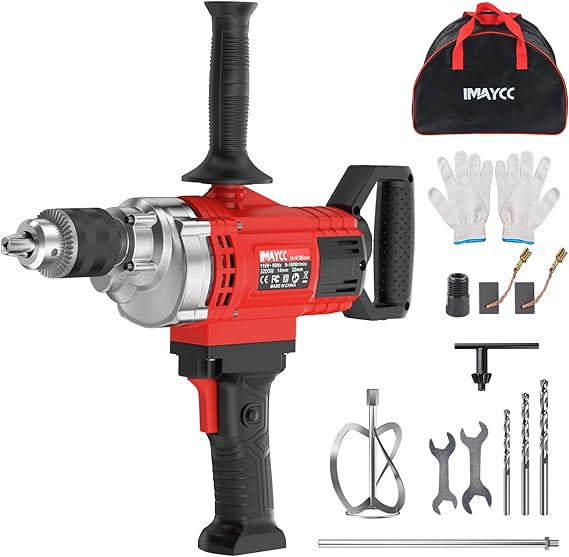 | IMAYCC Drill Mixer | Check Price |
Our Top Picks 2  | MAXXT Drill Mixer | Check Price |
Our Top Picks 3 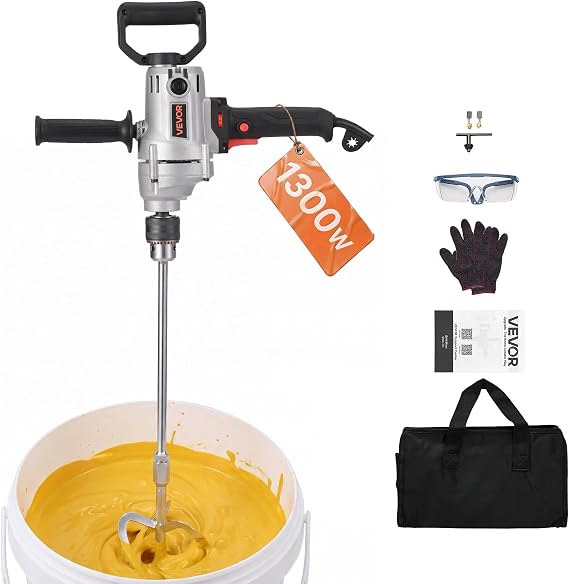 | VEVOR Drill Mixer | Check Price |
Our Selected Top 12 Corded Drill for Mixing Thinset Worth Your Money
This list features durable corded drills designed for mixing thinset efficiently and reliably. Each review covers how well the drill performs, its suitability for different users, and highlights key strengths and potential drawbacks to help you make an informed choice.
1. IMAYCC Drill Mixer
Heavy-duty metal construction meets practical design in a tool built for both mixing and drilling tasks. Perfect for contractors and DIY enthusiasts working with thinset, mortar, or even paint, thanks to its power and versatility. Its standout feature is a 20A motor that delivers steady, reliable mixing without bogging down.
Setting up involves attaching the mixing paddle and plugging into a 110-volt power source, which is straightforward given its lightweight 11.62 pounds. The pressure-sensitive variable speed trigger along with multiple grip options make controlling the mixing speed easy, adapting well to different materials and batch sizes. Switching between mixing and drilling functions suits a variety of jobsite needs.
The motor pushes out 3200 watts at up to 1600 RPM, handling thick mixtures smoothly and minimizing the time spent stirring by hand. The sturdy build adds to durability during continuous use. Some users appreciate the powerful motor and ergonomic design, while a common complaint notes the mixer can feel a bit heavy during extended use.
Strong praise highlights the powerful 20A motor that efficiently mixes multiple materials including thinset and cement. At the same time, the common complaint focuses on the weight being somewhat tiring to manage during extended jobs.
Those who handle large batches or need a tool versatile enough for mixing and drilling will appreciate this mixer. Users looking for a lighter, more portable option may want to consider alternatives better suited to frequent handheld use.
Pros
- Powerful 20A motor handles thick mixtures
- Variable speed trigger for precise control
- Ergonomic grip options reduce hand fatigue
- Multi-functional: mixes and drills
Cons
- Feels heavy when used for long periods
- Requires 110V outlet for operation
| Specification | Details |
|---|---|
| Power Source | ac |
| Voltage | 110 volts_of_alternating_current |
| Wattage | 3200 watts |
| Item Weight | 11.62 pounds |
| Maximum Speed | 1600 RPM |
2. MAXXT Drill Mixer Set
Powerful performance stands out with a 9A copper motor that handles mixing thinset smoothly. Ideal for anyone needing a reliable corded drill mixer, it excels at turning thick mixtures without bogging down, making it great for both DIYers and professionals tackling tile or concrete work.
Plugging it in is straightforward thanks to the corded design offering consistent power without battery worries. The 360° rotating mixer head and multidirectional side handle make it comfortable to hold and easy to control during extended mixing sessions.
Variable speed control up to 600 rpm provides the right pace for different thinset thicknesses, helping maintain the right texture without splashing or overmixing.
Durability shines through a solid build engineered for steady torque at 10 N m. The mixer tackles heavy batches without struggling and maintains stable speed under load. On the downside, the drill’s 0.5-inch chuck size limits attachment options. Some users note it feels a bit heavy over long periods, which could tire the arm during big jobs.
It combines power and control well but isn’t the lightest tool.
The strongest point of this drill mixer is its powerful motor that keeps mixing consistently without slowing down, even with thick thinset. The most common issue is its weight, which some find tiring during long mixing sessions.
This drill mixer suits anyone needing reliable power and precise control for thinset or mortar. Those looking for a lighter or cordless option might want to explore other tools better suited for lengthy or mobile jobs.
Pros
- Strong 9A copper motor handles thick mixes
- 360° rotation and comfortable side handle
- Variable speed from 0 to 600 rpm
- Consistent power with corded electric source
Cons
- Only fits chuck sizes up to 0.5 inches
- Weight can cause fatigue over extended use
| Specification | Details |
|---|---|
| Power Source | Corded Electric |
| Maximum Rotational Speed | 600 rpm |
| Voltage | 120 volts |
| Amperage | 9 A |
| Maximum Chuck Size | 0.5 inches |
| Maximum Torque | 10 N m |
3. VEVOR Drill Mixer Set
Power and control come together in a corded drill mixer that handles thinset mixing without struggling. Perfect for anyone needing steady performance on cement or mortar, it stands out for its strong 1300 W motor that keeps the job moving smoothly and reliably.
Setup includes attaching the easy-grip auxiliary handle and chucking in the mixing rod, which comes with the kit. The 6-speed dial makes it straightforward to adjust speed on the fly, shifting between gentle mixing and quicker rotation. Everyday use feels balanced with the included gloves and goggles for safety, making this ready to start building or fixing in minutes.
Mixing thinset or paint feels solid, thanks to the 0–1050 RPM range that adapts well to different materials. The heavy-duty housing and aluminum head contribute to durability and toughness. The drill is praised for handling tough mixtures without overheating, though some find the 11.68-pound weight a bit much during longer sessions.
Strong power and speed control make it easy to mix thinset smoothly, praised for lasting through heavy use without overheating. The most common downside is its weight, which some find tiring over longer periods.
Anyone focused on steady, powerful mixing for building projects will appreciate this drill mixer. Those needing lighter, cordless options or very portable tools might look elsewhere to avoid the weight and cord restrictions.
Pros
- Powerful 1300 W motor for tough mixing jobs
- Adjustable 6-speed dial for precise control
- Durable aluminum alloy head and nylon housing
- Comes with safety gear and auxiliary handle
Cons
- Relatively heavy at 11.68 pounds for extended use
- Only corded power source limits mobility
| Specification | Details |
|---|---|
| Power Source | ac |
| Motor | 1300 W pure-copper |
| Speed Range | 0–1050 RPM |
| Chuck Size | 5/8 in |
| Weight | 11.68 pounds |
| Dimensions | 36.02 x 19.29 x 4.72 inches |
4. Heavy Duty Drill Mixer

Mixing thinset can get tedious without the right drill, especially when tackling bigger batches or commercial jobs. Heavy Duty Drill Mixer suits anyone needing strong, steady power to achieve even mixes for materials like cement or grout, standing out with its high-torque motor built specifically for heavy-duty mixing tasks.
Setting it up involves locking your mixing paddle into the 5/8 all-metal keyed chuck, which keeps everything stable while working. The included auxiliary and D-handles offer good control and comfort during extended use.
Being corded electric means it runs consistently without worrying about battery life mid-job, making it a reliable tool you can count on.
Performance-wise, it handles thick mixes well without slowing down thanks to its powerful motor. The metal chuck ensures paddles don’t slip or wobble, even under high load.
Constructed mainly from metal, it feels sturdy and durable. Most praise goes to the strong, reliable mixing power, while some note it is a bit heavier than expected at 5.5 pounds, which might tire your arms during very long jobs.
The mixer is praised for its steady, heavy-duty power and secure chuck grip that prevents slipping during thick mixing. The main drawback noted is its 5.5-pound weight, which can become tiring when used for long periods. The drill’s durability and power suit demanding projects well but might be less comfortable for extended hand-held work.
Anyone needing a reliable drill mixer for cement, grout, or thick materials will appreciate this tool’s strength and stability. It works better for stationary or shorter-duration tasks rather than jobs requiring frequent moving around or lightweight devices. People looking for cordless convenience should consider alternatives.
Pros
- High-torque motor handles thick materials easily
- 5/8″ all-metal chuck holds paddles firmly
- Included handles improve grip and control
- Corded power ensures uninterrupted use
Cons
- Weight of 5.5 pounds may cause fatigue
- Relies on cord limits mobility at some sites
| Specification | Details |
|---|---|
| Item Weight | 5.5 pounds |
| Power Source | Corded Electric |
| Chuck Size | 5/8 inch |
| Material | Metal |
| Included Components | Auxiliary Handle, Carrying Case, Chuck Key, Drill Mixer, D-Handle, Side Handle, Mixing Paddle |
| Warranty | 2 Years |
5. QEP Universal Mixing Paddle

Mixing up to 5 lbs. of thinset or grout is straightforward with this paddle, perfect for anyone tackling small to medium-sized tile projects. Its design reduces the strain on your drill, making it a strong choice for both corded and cordless drills.
Attaching the paddle to your drill is simple thanks to its universal fit and solid steel build. The 16-inch length and 3-1/8 inch wide blade help distribute mixing evenly while reducing torque and drill pressure. After finishing, a quick spray of water keeps the paddle clean and prevents material buildup.
Mixing feels smooth and thorough thanks to the spiral head that moves grout and thinset effectively. The steel construction holds up well over time with regular use.
Positive feedback highlights its durability and steady mixing action. A common downside is needing regular cleaning to avoid hardened residue.
Durability and smooth mixing are key strengths noted repeatedly. The main issue comes from buildup if not cleaned immediately after use, which can affect performance over time. Regular rinsing after mixing is advised.
Best suited for smaller projects where mixing up to 5 lbs. is enough. Those working on larger batches or heavy-duty jobs might need a larger paddle to save time and effort.
Pros
- Universal fit for corded and cordless drills
- Steel spiral head for better mixing
- Reduces torque and pressure on the drill
- Easy to clean with water spray
Cons
- Requires careful cleaning to prevent buildup
- Mixes up to 5 lbs. only, limits larger jobs
| Specification | Details |
|---|---|
| Blade Length | 16 in. |
| Blade Width | 3-1/8 in. |
| Material | Steel |
| Model Number | 61210 |
| Item Type | Thinset and Grout Mixing Paddle for Cordless and Corded Drills |
6. Heavy Duty Mixing Drill

People who work with mortar, plaster, or paint and need a tool that handles both mixing and drilling tasks will find this drill mixer useful. It suits builders, decorators, and contractors who demand powerful performance, especially for heavy-duty site work. Its biggest strength is the 10A motor that delivers consistent power for mixing and drilling jobs.
Setup involves attaching the mixing paddle or drill bit to the 5/8 inch metal chuck, which holds up to 15.88 millimeters. The 16.5FT cord offers generous reach without frequent unplugging.
A side handle with three positions plus a 360-degree rotary rear handle make it easier to maintain control during mixing or drilling. Variable speed control with a lock-on button allows steady operation without constant grip pressure.
Powering through thick mortar or plaster is smooth thanks to the steady 750 rpm maximum speed and 35 N m torque. Build quality is solid, with a sturdy body designed for physical job site conditions.
Common praise highlights its dual-purpose use and strong motor, while frequent complaints mention its basic drill type, lacking advanced features for more delicate work.
The strongest praise centers on its solid power and ability to handle both mixing and drilling without fuss. The most common complaint relates to its simplicity as a basic drill without extra features for precision work. Everyday use shows it thrives in tough conditions but may not suit detailed drilling needs.
Those working primarily with heavy mixing or straightforward drilling will appreciate this tool’s strengths and durability. Anyone needing finer drilling control or advanced settings might want to look for a different model.
Pros
- Powerful 10A motor for heavy-duty mixing
- Three positions side handle for better control
- Variable speed with lock-on button
- Long 16.5FT power cable
Cons
- Lacks advanced drilling functions
- Basic drill type may limit delicate tasks
| Specification | Details |
|---|---|
| Power Source | Corded Electric |
| Maximum Rotational Speed | 750 rpm |
| Amperage | 10 A |
| Maximum Chuck Size | 15.88 millimeters |
| Power Cable Length | 16.5FT |
| Maximum Torque | 35 N m |
7. DEKOPRO Hammer Drill

Designed for tough home improvement tasks, the DEKOPRO Hammer Drill suits anyone needing a reliable tool to mix thinset and drill into hard surfaces. Its standout feature is the powerful 6-amp motor, which can reach up to 3,000 revolutions per minute, ensuring steady torque and speed for demanding projects.
Setting up the drill is straightforward thanks to the simple top-mounted mode selector that switches between hammer and drill functions quickly. The adjustable handle helps maintain control during long mixing sessions or drilling, while 12 variable speeds allow for precise handling on different materials. The corded design means uninterrupted power without worrying about battery life during extended use.
Built for durability, the hammer drill handles both masonry and softer materials like wood or metal with ease. The strong motor maintains performance under load, consistent with most feedback pointing out its reliable power. Some users mention the weight can be a bit much during prolonged use, which is the most common downside noted.
The drill consistently performs well with reliable power, making it solid for heavy-duty drilling and mixing tasks. Most feedback highlights its strong motor as a major plus, while weight stands out as a common issue during extended use.
Those needing steady, continuous power and working mostly in one spot will find it fitting. Users seeking a lighter or cordless option might want to look elsewhere for easier handling or more flexibility.
Pros
- Strong 6-amp motor delivers consistent power
- Easy mode switching between hammer and drill
- Adjustable handle improves grip and control
- Variable speed settings for precision work
Cons
- Heavier weight can tire the arm during long jobs
- Cord limits mobility compared to cordless drills
| Specification | Details |
|---|---|
| Power Source | Corded Electric |
| Maximum Rotational Speed | 3000 rpm |
| Amperage | 6 A |
| Maximum Chuck Size | 0.5 inches |
| Number of Speeds | 12 |
8. Ridgid Spade Handle Drill

Ridgid Spade Handle Drill delivers solid power for mixing thinset, perfect for anyone needing a reliable corded mixer. The standout feature is its 9 Amp motor combined with a compact design that handles mixing tasks without the bulk of larger drills. It suits professionals and DIYers working with thinset or similar materials.
Setting it up is straightforward thanks to its variable speed control and corded electric power, ensuring you don’t worry about batteries running out mid-job. The spade handle gives a comfortable grip, which helps during extended mixing sessions.
The 1/2 inch chuck size is standard, making it easy to attach mixing paddles securely, while the consistent 500 rpm speed keeps mixing steady and controlled.
The drill performs well at its task, providing enough torque (1.32 in-lb) to keep thinset blended fairly smoothly. Its build feels solid despite being a basic drill, emphasizing function over extra design features. The most common praise highlights its power and reliable speed, while some find the single speed limiting for varied jobs.
The compact size makes it easier to maneuver, but that same compactness means it feels a bit heavy after long use.
Power and steady speed control stand out as the drill’s greatest benefits, making mixing thinset straightforward and consistent. However, the single-speed design reduces flexibility for varying tasks, and the weight can become noticeable over time, particularly during longer projects.
Anyone needing a reliable, corded drill primarily for mixing thinset will appreciate its power and grip. Those looking for multiple speed options or a lighter tool might want to consider other options better suited for extended or varied tasks.
Pros
- Strong 9 Amp motor for steady mixing power
- Compact size for better handling in tight spaces
- Variable speed control for controlled mixing
- Standard 1/2 inch chuck fits typical mixing paddles
Cons
- Single speed limits versatility for different materials
- Feels a bit heavy during long mixing sessions
| Specification | Details |
|---|---|
| Power Source | Corded Electric |
| Amperage | 9 A |
| Maximum Rotational Speed | 500 rpm |
| Maximum Chuck Size | 13 millimeters (1/2 in) |
| Torque | 1.32 in-lb |
9. Makita Spade Handle Drill

Feels solid and steady in hand, this corded drill suits those mixing thinset who want reliable power without slipping bits. Its strongest feature is the heavy-duty 1/2 chuck that holds drill bits firmly, reducing interruptions during work.
Setup involves plugging into a standard 120-volt outlet and quickly adjusting for bit changes using the on-board chuck key storage. The single-speed operation runs consistently at 600 rpm, making it straightforward to control while mixing. The rocker switch allows switching between forward and reverse smoothly, helping with tight spots or clearing jams.
Power matches well with tasks like mixing thinset thanks to the 350 watts motor that delivers steady torque. The all-ball bearing construction extends the tool’s lifespan under frequent use.
Most praises highlight the dependable bit retention in the chuck. The usual complaint involves the single speed limit, which some find restrictive for other drilling tasks.
The drill’s most praised feature is its sturdy chuck that holds bits firmly during prolonged mixing tasks. A common drawback mentioned is the limited speed option that doesn’t fit all drilling needs.
Those focused mainly on mixing thinset or similar materials will find this drill reliable and straightforward. Anyone needing variable speed for varied projects should explore other models offering more flexibility.
Pros
- Heavy-duty 1/2″ drill chuck for secure bit hold
- On-board chuck key storage speeds up bit changes
- Rocker switch for easy forward/reverse operation
- Durable all-ball bearing build
Cons
- Single speed limits versatility
- Moderate 350 watts power for tougher jobs
| Specification | Details |
|---|---|
| Power Source | Corded Electric |
| Maximum Rotational Speed | 2500 rpm |
| Voltage | 120 volts |
| Amperage | 8.5 A |
| Maximum Chuck Size | 13 millimeters |
| Speed | 600 rpm |
10. Hoteche Mixer Drill

Powerful and practical, the Hoteche Mixer Drill is perfect for anyone who needs a strong corded drill that can also mix thinset with ease. Its 1200W motor delivers enough power to handle a range of materials, making it especially useful for tile installers or handy people working on cement-based mixes.
Setting it up is straightforward, with all necessary accessories included like extra carbon brushes and an Allen wrench. The variable speed gives solid control between 0 and 960 rpm, so you can start mixing gently and ramp up without splashing. The two handles provide a firm grip, which helps when mixing thicker materials for longer periods.
Mixing thinset is where it shines, with no real struggle handling mortar or paint mixes thanks to the steady 1200-watt motor. The aluminum housing adds durability while remaining comfortable to hold. The main praise highlights the drill’s power and control.
Some note the weight can be tiring over extended use, especially for those mixing large batches.
The drill’s power and variable speed control make it easy to mix thinset smoothly without splattering. It is praised for solid build quality and comfortable handling during typical mixing and drilling tasks. At the same time, some users find the weight tiring when working on bigger projects.
Anyone needing a dependable drill for both mixing and drilling small to medium tasks will appreciate this tool. Those who frequently handle large batches or require bigger drill bits might want to look for lighter or higher chuck capacity alternatives.
Pros
- Strong 1200W copper motor for tough mixing jobs
- Variable speed control up to 960 rpm
- Comfortable dual-handle grip reduces hand fatigue
- Comes with useful accessories included
Cons
- Relatively heavy during extended use
- Chuck size limit may restrict larger drill bits
| Specification | Details |
|---|---|
| Power Source | Corded Electric |
| Maximum Rotational Speed | 960 rpm |
| Voltage | 110 volts |
| Maximum Chuck Size | 16 millimeters |
| Maximum Power | 1200 watts |
11. BLACK+DECKER Corded Drill

Durable plastic housing and a 5.5 Amp motor make this drill a solid choice for anyone needing reliable power for mixing thinset. Suited for those who want a corded option with steady performance and no runtime limits, it stands out mainly for its consistent power delivery.
Setting up involves simply plugging it into a power outlet, which means no worries about battery life during long jobs. The variable speed dial helps adjust the mixing pace, giving you good control during use.
It’s compact and light enough to work comfortably in tighter spots, while on-board bit storage keeps the extra screwdriving bit handy without losing it.
Mixing thinset with this drill is straightforward thanks to its 1500 rpm maximum speed. The build feels sturdy but not bulky, which works well for extended projects. A common positive is how it handles power demands without slowing down, while some note the fixed cord can limit mobility on bigger sites.
It consistently delivers where it counts but lacks cordless convenience.
Reviews highlight how well the drill maintains power throughout long mixing sessions without slowing down. The most common complaint is the corded design limiting flexibility around the workspace, which can be tricky on bigger jobs.
Anyone who prioritizes uninterrupted power and variable speed control will appreciate this drill. Those looking for maximum mobility or larger chuck sizes for bigger paddles should consider cordless or heavier-duty options.
Pros
- Steady 5.5 Amp motor for continuous power
- Variable speed for controlled mixing
- Compact design fits small spaces comfortably
- On-board bit storage keeps extra bit handy
Cons
- Cord limits movement on larger jobs
- Maximum chuck size restricts larger mixing paddles
| Specification | Details |
|---|---|
| Power Source | Corded Electric |
| Amperage | 5.5 A |
| Maximum Rotational Speed | 1500 rpm |
| Maximum Torque | 360 in-lb |
| Maximum Chuck Size | 10 millimeters |
12. DEWALT Corded Drill

Powerful and reliable, this drill suits anyone who needs steady mixing of thinset with good control. Its standout feature is the sturdy metal gear housing paired with a 360-degree side handle, giving the user firm grip and precise handling during tough jobs.
Setting it up is straightforward since it comes with a chuck key and holder, so switching bits is simple. The two-finger trigger helps reduce hand fatigue on longer tasks, while the variable speed dial lets you adjust mixing speed to match the thinset’s consistency perfectly.
The corded design ensures constant power without worrying about batteries.
Delivering a maximum of 1400 in-lb torque and speeds up to 1000 rpm, it handles thick mixtures with ease. Its gear housing is made of metal, adding durability that stands up to rough use on busy jobsites.
High marks go to its solid construction and dependable performance, though some find it a bit heavy for extended mixing periods.
Users appreciate the solid build quality and strong torque that handle thick thinset mixes reliably. The most common downside mentioned is the drill’s weight, which can tire the arm during extended use.
People needing a sturdy and steady drill for frequent mixing jobs will find this model dependable. Those preferring something lighter or cordless for occasional tasks might want to explore other options.
Pros
- Metal gear housing for long-lasting durability
- 360-degree side handle for flexible control
- Two-finger trigger reduces hand fatigue
- Variable speed for precise mixing adjustments
Cons
- Heavier than some cordless drills
- Lacks drilling capacity beyond 0.5 inches for wood
| Specification | Details |
|---|---|
| Power Source | Corded Electric |
| Maximum Rotational Speed | 1000 rpm |
| Maximum Torque | 1400 in-lb |
| Maximum Chuck Size | 13 millimeters |
| Amperage | 7.8 A |
Best Corded Drills for Mixing Thinset Comparison
| Product | Power (Watts) | Max Chuck Size | Max Speed (rpm) | Weight (lbs) |
|---|---|---|---|---|
| IMAYCC Drill Mixer | 3200 watts | – | – | 11.62 |
| MAXXT Drill Mixer | 1050 watts | 0.5 inches | 600 rpm | – |
| VEVOR Drill Mixer | 1300 watts | 5/8 inch | – | 11.68 |
| Heavy Duty Drill Mixer | – | 5/8 inch | – | 5.5 |
| QEP Mixing Paddle | – | – | – | – |
| Heavy Duty Mixing Drill | – | 15.88 mm | 750 rpm | – |
| DEKOPRO Hammer Drill | – | 0.5 inches | 3000 rpm | – |
| Ridgid Spade Drill | 550 watts | 13 mm | 500 rpm | – |
| Makita Spade Drill | 350 watts | 13 mm | 600 rpm | – |
| Hoteche Mixer Drill | 1200 watts | 16 mm | 960 rpm | – |
| BLACK+DECKER Corded Drill | 1800 watts | 10 mm | 1500 rpm | – |
| DEWALT Corded Drill | 300 watts | 13 mm | 1000 rpm | – |
- Power (Watts)3200 watts
- Max Chuck Size–
- Max Speed (rpm)–
- Weight (lbs)11.62
- Power (Watts)1050 watts
- Max Chuck Size0.5 inches
- Max Speed (rpm)600 rpm
- Weight (lbs)–
- Power (Watts)1300 watts
- Max Chuck Size5/8 inch
- Max Speed (rpm)–
- Weight (lbs)11.68
- Power (Watts)–
- Max Chuck Size5/8 inch
- Max Speed (rpm)–
- Weight (lbs)5.5
- Power (Watts)–
- Max Chuck Size–
- Max Speed (rpm)–
- Weight (lbs)–
- Power (Watts)–
- Max Chuck Size15.88 mm
- Max Speed (rpm)750 rpm
- Weight (lbs)–
- Power (Watts)–
- Max Chuck Size0.5 inches
- Max Speed (rpm)3000 rpm
- Weight (lbs)–
- Power (Watts)550 watts
- Max Chuck Size13 mm
- Max Speed (rpm)500 rpm
- Weight (lbs)–
- Power (Watts)350 watts
- Max Chuck Size13 mm
- Max Speed (rpm)600 rpm
- Weight (lbs)–
- Power (Watts)1200 watts
- Max Chuck Size16 mm
- Max Speed (rpm)960 rpm
- Weight (lbs)–
- Power (Watts)1800 watts
- Max Chuck Size10 mm
- Max Speed (rpm)1500 rpm
- Weight (lbs)–
- Power (Watts)300 watts
- Max Chuck Size13 mm
- Max Speed (rpm)1000 rpm
- Weight (lbs)–
How to Choose the Right Corded Drill for Mixing Thinset
Choosing a corded drill for mixing thinset depends on power, speed control, and durability to handle thick materials without overheating. Getting these factors right ensures efficient mixing, reduces wear on the tool, and prevents costly replacements or delays during projects.
Power and Speed Control
Mixing thick thinset quickly reveals whether a drill has enough muscle to handle the job. Motors with insufficient power tend to stall or slow dramatically under load, causing uneven mixing and frustration.
Drills rated around 6 to 8 amps typically provide enough strength to keep a steady rotation without bogging down.
Variable speed control is crucial for managing the mixing process smoothly. Starting at a lower speed helps reduce splatter, especially when blending powders into liquids. Consistent torque preserves the drill’s rotation speed despite the denser mix, preventing overheating and wear.
Look for models with variable speed triggers and torque ratings suitable for heavy-duty mixing demands.
Drill Chuck and Bit Compatibility
Securely holding mixing paddles matters more than it seems. Loose chucks cause wobbling, uneven mixing, and can wear out paddle shafts faster. A standard 1/2 inch or larger chuck diameter allows use of a wide range of paddles, including longer shafts for deep or large bucket mixing.
Switching from mixing to drilling tasks becomes annoying if bit changes are complicated. An easy-to-use chuck or keyless system speeds up the transition and reduces downtime. Drills with quick-change chucks that firmly grip the shaft while letting you swap bits manually work best for dual-purpose use.
Ergonomics and Weight
Mixing thick materials often takes time, and a drill that feels heavy or unbalanced adds strain on the wrist and forearm. Models weighing around 5 to 7 pounds hit a sweet spot allowing prolonged use without excessive fatigue.
Weight distribution influences handling more than the total pounds alone.
Comfortable grips with textured surfaces improve control, especially when the drill vibrates under load. Compact drill bodies offer better maneuverability in tight corners or crowded work areas.
Those small details make a notable difference when mixing for extended periods in confined spaces.
Durability and Build Quality
Construction exposed to dust, grit, and moisture requires durable outer casings to avoid premature damage. Heavy-duty plastic or metal housings with sealed joints stand up better against job site conditions.
The motor and gears inside must also tolerate the high torque stresses produced while mixing dense compounds.
Brushes and internal components often wear out faster under continuous heavy load, so longer-lasting parts mean fewer interruptions for maintenance. Good build quality can translate into months or years of reliable performance without the need for frequent repairs.
Safety Features and Heat Management
Heating up quickly is a common problem during extended mixing jobs, risking motor burnout or failure. Overload protection circuits prevent motor damage by cutting power when the drill is pushed too hard for too long. Proper ventilation with fan-assisted cooling helps disperse heat effectively.
Safety switches or locking triggers stop the drill from starting unexpectedly while setting up the mixing paddle. These features reduce the chance of accidents or injury on busy worksites.
A drill combining heat management and safety controls offers a more dependable user experience.
Best Practices for Efficient Thinset Mixing with a Corded Drill
Using a corded drill for mixing thinset requires steady control to avoid splashing or uneven consistency. Start with a low speed setting to gradually blend the powder and water, preventing clumps.
Keep the mixer attachment submerged fully to reduce air pockets and ensure all material is mixed properly. Move the drill in slow, circular motions, focusing on the sides and bottom of the container where thinset can stick. This helps achieve a smooth, lump-free mixture.
Avoid using too high a speed, as it can introduce air bubbles, weakening the mortar’s bond strength.
Other practical tips include:
- Choosing a drill with variable speed control for better precision
- Using a sturdy mixing paddle attachment designed for thinset or similar materials
- Mixing in small batches to maintain consistent texture and avoid drying out the material
Maintaining and Cleaning Your Corded Drill After Mixing Thinset
Cleaning your corded drill promptly after mixing thinset prevents damage and ensures longevity. Thinset hardens quickly, so wiping off excess material from the drill and mixer bits right after use is essential.
Use a damp cloth to remove residue before it dries. Soaking the mixing paddle in water helps loosen stuck thinset, making it easier to clean.
When maintaining the drill:
- Check the power cord for any damage or wear after each use
- Make sure the ventilation slots are free from dust and thinset particles to prevent overheating
- Occasionally lubricate the chuck if it becomes stiff or difficult to operate
- Store the drill and attachments in a dry place to avoid rust
Common Mistakes to Avoid When Using a Corded Drill for Thinset Mixing
High speed mixing is a common error that leads to air pockets in the thinset, weakening its hold once applied. Avoid rushing the process; patience ensures a consistent, workable mixture.
Another mistake is not fully submerging the mixer paddle, which results in dry pockets of thinset that do not mix well. Make sure to move the drill carefully around the entire container to avoid this.
Using an extension cord with insufficient gauge can cause the drill to underperform or even overheat during extended mixing sessions. Heavy-duty, properly rated extension cords are necessary.
Lastly, neglecting to clean the drill and paddle immediately after use can cause residue build-up, which affects performance and may damage the tool over time.
People Also Asked
How Do I Choose the Right Corded Drill Size for Mixing Thinset?
Choose a corded drill with at least 6 amps and variable speed control for mixing thinset. A drill with a slower speed range helps avoid splattering the thinset during mixing.
What Safety Precautions Should I Follow When Using a Corded Drill?
Always wear safety goggles and gloves when using a corded drill to mix thinset. Secure your work area to prevent the drill cord from getting tangled or causing trips.
How Do I Properly Clean and Care for a Corded Drill After Use?
After using a corded drill, unplug it and wipe down the exterior to remove any thinset residue. Make sure the ventilation slots stay clear to prevent overheating.
Can I Use a Corded Drill with Any Mixing Paddle Attachment?
Most corded drills work well with standard mixing paddles designed for thinset, but check the chuck size matches the paddle shaft. Using a paddle too large for the drill may strain the motor.
What Are Common Problems When Mixing Thinset with a Corded Drill?
Common problems include overheating the drill by running it at too high speed and uneven mixing due to the wrong paddle size. Using the right speed and paddle limits these issues.
Conclusion
Choosing the best corded drill for mixing thinset comes down to power, speed control, and comfortable handling. The drill should have enough torque to mix thick mortar without overheating.
Variable speed settings help control the consistency, and a grip that feels secure makes longer jobs less tiring.
Think about how often you’ll use the drill and where you’ll store it. A heavier model might be fine for a dedicated space but tricky to move around often.
Compare the details in the table and review the options above to find the right balance of features, price, and durability for your projects.

I’m Cody Harrison, a lifelong hunter who has spent many seasons in the woods, marshes, and open country. I write about hunting gear, rifle and bow setups, scouting strategies, tree stands, and field safety. I share lessons from real hunts to help both beginners and experienced hunters prepare better, hunt smarter, and get more out of every trip.


