
Top 12 Best Milwaukee Weed Eater That Will Blow Your Mind
Cheap or poorly designed weed eaters often struggle to cut through tough grass and weeds, leaving you with frustrating missed spots and frequent stops to fix tangled lines. The best milwaukee weed eater cuts through thick growth smoothly and lasts through long jobs without overheating or breaking down.
It handles dense patches without bogging down, which makes yard work less of a chore.
A good weed eater typically has a powerful motor around 18 to 20 volts for cordless models or roughly 25cc for gas versions, enough to handle overgrown areas without stalling. The shaft length matters too; around 14 to 15 inches balances reach with control, reducing strain on your arms during extended use.
Durability comes from metal components in the head and solid housing, while an adjustable guard and easy line replacement add to safety and convenience on the job.
Need a Quick Check?
| Image | Product | Price |
|---|---|---|
Our Top Picks 1  | Milwaukee M18 Brushless Trimmer | Check Price |
Our Top Picks 2  | Milwaukee M18 Fuel Trimmer | Check Price |
Our Top Picks 3 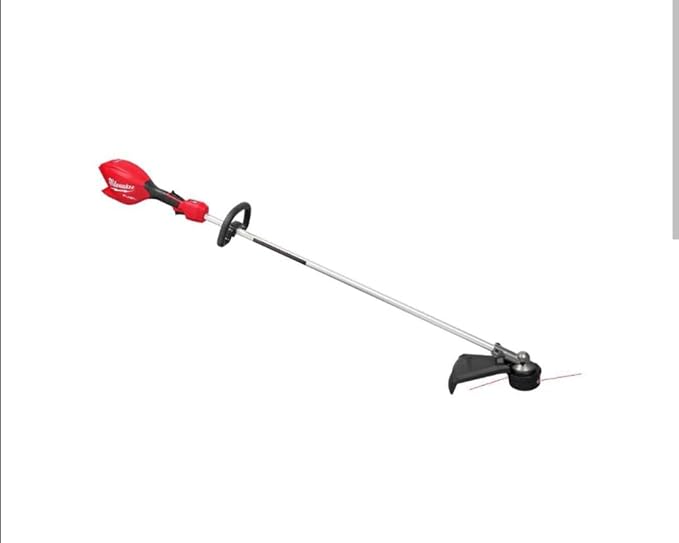 | Milwaukee M18 Fuel 16″ Trimmer | Check Price |
Our Selected Top 12 Milwaukee Weed Eater Worth Buying
This list features carefully chosen weed eaters designed for various lawn care needs. Each review highlights performance, ideal user profiles, and key advantages and drawbacks, helping readers identify the best fit for their gardening tasks.
1. Milwaukee M18 Brushless String Trimmer
Great for tackling your yard without worrying about cords, the Milwaukee M18 Brushless String Trimmer is built for anyone who wants solid power in a cordless package. Its brushless motor and 16-inch cutting swath make quick work of grass trimming, handling medium to large lawn areas with ease.
Setup is straightforward since it runs on an 18V battery (sold separately), which slides right into the handle. The bump line advance system is handy for keeping the line at the right length without stopping to adjust. Weighing 9.1 pounds, it feels balanced during use and doesn’t wear you down over time, making it comfortable for everyday trimming jobs.
Power comes from a brushless motor spinning up to 6,200 RPM, giving a strong and consistent cut. The build feels solid enough to last through seasons of yard work. Most people praise how efficiently it clears grass with its 16-inch cutting width.
The main complaint is the need to buy the battery separately, which adds extra cost.
The trimmer’s power and cutting width get high marks for clearing grass efficiently, making yard work faster. On the flip side, the separate battery purchase is a frequent point of concern, increasing initial investment beyond the tool price alone.
People with an existing M18 battery setup or those ready to invest in quality cordless gear will find this a reliable choice. Those looking for a lower-cost option with fewer upfront expenses might want to consider alternatives bundled with a battery included.
Pros
- Strong brushless motor optimized for trimming
- Comfortable weight for extended use
- Bump line advance system for quick line feed
- Compatible with .080″ and .095″ trimmer lines
Cons
- Battery sold separately, adding to overall cost
- Some may find 9.1 pounds heavy for long sessions
| Specification | Details |
|---|---|
| Power Source | Battery Powered |
| Cutting width | 16 inches |
| Speed | 6200 rpm |
| Weight | 9.1 pounds |
| Height | 71.0 inches |
2. Milwaukee M18 Fuel String Trimmer
When tackling thick grass and stubborn weeds around your yard, a reliable string trimmer makes all the difference. Ideal for those who want a powerful cordless option, this unit stands out for having more power than many gas-powered alternatives.
It’s perfect for homeowners needing solid cutting performance without the fuss of fuel and noise.
Setting it up is straightforward since it runs on Milwaukee’s M18 battery platform, so no mixing gas or dealing with cords. The 16-inch cutting width lets you cover ground without too many passes, while the QUIK-LOK system allows swapping attachments quickly.
Handling is balanced, and the speed of 6200 rpm keeps the cutting string spinning fast enough for clean trimming along edges and around obstacles.
With a POWERSTATE brushless motor, it handles thick weeds and dense grass better than you’d expect from a battery tool. The build feels sturdy and well-made, suitable for frequent use without wearing down prematurely. It gets top marks for power and compatibility, but some mention that the battery life, though decent, may require a backup for longer jobs.
The strongest praise highlights how the POWERSTATE brushless motor delivers power beyond gas-powered string trimmers, making tough yard work feel easier. The most common complaint centers on battery life needing additional units for extended use, especially on larger properties.
Those who appreciate cordless freedom and high power will find it fits well into their routine. Users with very large yards or who prefer lighter tools might consider alternatives with longer battery endurance or less weight.
Pros
- More power than 31cc gas powerheads
- Compatible with 13 Milwaukee QUIK-LOK attachments
- Quiet operation compared to gas models
- 16-inch cutting width for efficient trimming
Cons
- Battery life may need backup for big jobs
- Heavier than some other cordless trimmers
| Specification | Details |
|---|---|
| Power Source | DC |
| Cutting width | 16 inches |
| Speed | 6200 rpm |
| Battery Average Life | 3 years |
3. Milwaukee M18 Fuel 16 Inch String Trimmer
Featuring a wide 16-inch cutting swath, this cordless string trimmer suits homeowners with medium to large yards seeking efficiency and mobility. Its biggest strength lies in balancing power and ease of use thanks to Milwaukee’s M18 battery platform and a variable speed trigger for precise trimming.
Setup is straightforward, though remember the battery is sold separately. Day-to-day trimming feels comfortable with the lightweight design and adjustable handle positions that reduce fatigue. The compatibility with standard trimmer line makes string replacement simple and keeps maintenance manageable.
The cordless design offers freedom of movement without tangled cords getting in the way.
Performance holds up well for various trimming tasks, delivering consistent power through the brushless motor. The wide cutting width lets you cover more ground quickly, making yard work less time-consuming.
It’s built solidly with a balanced feel, though some users have noted the battery life can limit longer jobs before needing a recharge.
Consistent power and a broad cutting path are its biggest assets, letting yard maintenance move along faster. Users often mention the need to recharge or swap batteries during longer sessions as the main drawback. The tool’s ease of handling stands out in daily trimming tasks.
Ideal for homeowners who want cordless freedom and strong cutting performance in one tool. Those with very large properties or extended trimming needs may want to consider units with longer battery runtimes or multiple battery packs for uninterrupted work.
Pros
- 16-inch cutting width covers large areas quickly
- Lightweight with adjustable handle for comfort
- Works on versatile 18V battery platform
- Variable speed trigger for precise control
Cons
- Battery sold separately, not included
- Battery life limits continuous use time
| Specification | Details |
|---|---|
| Power Source | Battery Powered |
| Cutting width | 16 inches |
| Voltage | 18V |
| Motor Type | Brushless |
4. Cordless String Trimmer Compatible with Milwaukee M18

Anyone working in a moderately sized yard will appreciate a trimmer that can switch between cutting modes quickly. Designed for those who already have Milwaukee M18 batteries, this cordless string trimmer’s biggest strength is its adaptability, 3-in-1 tool functionality covers most light trimming and edging jobs.
Getting started means attaching your Milwaukee M18 battery since it doesn’t come with one. Once powered, switching between the precision trimmer, wheeled edger, and mini lawn mower modes happens easily, depending on the task at hand.
The 12-inch cutting width suits home yard work without feeling too bulky, and the copper wire motor with low noise means it’s pretty comfortable to use regularly.
It handles typical trimming duties well, cutting through grass and weeds cleanly at 8500 RPM. Solid construction feels dependable, though some note the absence of a battery and charger can be inconvenient.
The motor upgrade improves power and noise level compared to basic models, but you’ll need to supply the right battery yourself.
HEINPRO cordless string trimmer runs on Milwaukee M18 batteries, making it easy to swap power sources for people with compatible tools. It offers three functions: trimming, edging, and mini mowing, all adjustable with a simple tool change. The upgraded copper wire motor reaches speeds up to 8500 RPM, reducing noise compared to older models.
Trim, edge, and mini mow with one tool designed for versatility in medium-sized yards. People with Milwaukee M18 batteries will appreciate not having to buy new power packs. For larger properties or those seeking a fully ready-to-use kit straight out of the box, a different trimmer with included battery and charger might be a better fit.
Pros
- Compatible with Milwaukee M18 battery system
- Three different tool modes for versatility
- Quiet operation thanks to upgraded motor
- Decent cutting width for home use
Cons
- Battery and charger not included
- Requires nonstandard battery
| Specification | Details |
|---|---|
| Power Source | Battery Powered (Battery and Charger not Included) |
| Cutting width | 12 inches |
| Speed | 8500 rpm |
| Number of Batteries | 1 Nonstandard Battery batteries required |
5. Brushless Weed Eater Compatible with Milwaukee 18V

Cordless convenience meets serious power with a Milwaukee 18V compatible weed eater designed for anyone already invested in Milwaukee batteries. Its brushless motor delivers strong performance without the noise or upkeep of brushed motors, making it great for medium-sized yards or regular trimming jobs.
Setup is simple since it runs on Milwaukee 18V batteries, which aren’t included but connect instantly to the trimmer. The 12-inch cutting width lets you cover a decent amount of ground each pass, and the lightweight design makes moving around the yard less tiring.
Running at 10,000 RPM means the string quickly deals with grass and light brush. Maintenance stays low thanks to the brushless motor.
Cutting power is reliable for everyday yard trimming and the build feels solid enough for regular use without feeling bulky. Most praise mentions the quieter operation and longevity of the brushless motor. Occasionally, users note the lack of included battery and some wish for a wider cutting swath to tackle bigger jobs faster.
People appreciate how quiet and long-lasting the brushless motor is compared to traditional weed eaters. Most common drawback highlights the need to buy a Milwaukee battery separately, which adds cost and requires familiarity with the Milwaukee ecosystem.
This weed eater works well for those who already own Milwaukee 18V batteries and need a solid trimmer for regular yard maintenance. Users seeking wider cutting paths or a starter kit with battery included should consider other products.
Pros
- Compatible with various Milwaukee 18V batteries
- Brushless motor for longer runtime and less noise
- 12-inch cutting width suits most trimming needs
- Lightweight and easy to handle
Cons
- Battery not included with the trimmer
- Cutting width may feel small for large yards
| Specification | Details |
|---|---|
| Power Source | hand_powered |
| Cutting width | 12 inches |
| Speed | 10000 rpm |
| Motor type | Brushless |
| Battery compatibility | Milwaukee 18V series |
6. Milwaukee M18 Fuel Brushless Cordless String Trimmer Kit

Milwaukee M18 Fuel Brushless Cordless String Trimmer Kit offers powerful cordless trimming for medium to heavy yard work. It’s best suited for those who want a strong, flexible tool that handles both trimming and blowing in one convenient kit.
Setup includes attaching the trimmer head to the power head using the QUICK-LOK system, which makes swapping attachments straightforward. The Easy Load Trimmer Head means you can reload line under 30 seconds, so there’s less downtime.
Battery life lasts about 60 minutes, and the included Rapid Charger gets you back to work faster.
Running at 105,600 rpm, it cuts through thick grass smoothly, delivering reliable power throughout its battery life. The build quality feels durable and solid, designed for serious yard work.
Most reviews highlight how fast and easy it is to reload the trimmer line, although some users feel the battery life falls short for very large properties.
The quickest way to reload the line is a major highlight, cutting down work stoppage significantly. Common feedback notes the 60-minute battery life might fall short for larger lawn areas needing prolonged trimming sessions.
Ideal for homeowners with medium-sized yards who want versatility and solid power in one kit. People with larger properties or who require longer usage might want to look at models offering extended battery life or gas-powered alternatives.
Pros
- Quick line-loading under 30 seconds
- Battery lasts about one hour
- Includes blower in kit
- Easy attachment swapping with QUICK-LOK
Cons
- Battery life may not suit very large yards
- Weight could be tiring for extended use
| Specification | Details |
|---|---|
| Power Source | Battery Powered |
| Speed | 105600 rpm |
| Battery Average Life | 60 minutes |
| Includes | M18 FUEL power head, string trimmer attachment, blower, HD9.0 battery, charger |
7. Milwaukee 2825-20 18V Brushless String Trimmer

Feels light and responsive in hand, fitting for anyone who needs solid trimming power without a bulky tool. Its biggest strength lies in the brushless motor designed specifically to deliver the kind of power often expected from higher voltage trimmers.
Setup is straightforward thanks to the Milwaukee easy load trimmer head that makes reloading line less of a chore. Daily use benefits from a solid cutting swath of up to 16 inches and a variable speed control reaching 6200 rpm, allowing precise trimming in tight spots or broad strokes along the lawn.
Battery power frees you from cords and gas mess.
Handling thick grass and weeds happens with enough muscle from its brushless motor, feeling reliable and consistent. The build is solid, showcasing quality materials that hold up during regular use. The strongest praise highlights its power and cutting width, while some users mention the battery life could be limiting for very large yards.
Power and cutting width get repeated praise for making yard work quicker and cleaner. Common feedback includes needing to recharge or swap batteries during extended trimming sessions, hinting at some limits in battery endurance.
Ideal for homeowners with medium-sized properties seeking a cordless trimmer that balances power and ease. Those managing very large lawns or heavy brush might want to look toward models with longer battery life or higher voltage platforms.
Pros
- Brushless motor for strong, efficient power
- Easy load trimmer head simplifies line replacement
- Adjustable speed up to 6200 rpm for control
- Generous 16-inch cutting swath covers more ground
Cons
- Battery life may limit use on large yards
- Line diameter options confined to 0.080 and 0.095 inches
| Specification | Details |
|---|---|
| Power Source | Battery Powered |
| Cutting Width | 16 inches |
| Speed | 6200 rpm |
| Line Diameter | 0.080 in./0.095 in. |
| RPM Range | 0 to 4900 / 0 to 6201 |
8. Milwaukee 152565 M18 Fuel 16 Inch String Trimmer
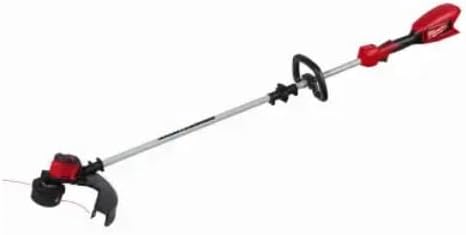
Powerful and lightweight, it suits anyone needing a cordless trimmer that handles thick grass without tiring your arms. The biggest strength lies in its brushless motor delivering strong cutting performance while staying easy to carry.
Setup is straightforward thanks to the Easy Load Trimmer Head, which holds 25 feet of line and reloads in under 30 seconds. The variable speed trigger gives precise control over cutting speed, and two speed settings let you switch between power and longer run-time. Its lightweight design keeps fatigue low during extended trimming sessions.
Cutting thick grass and light brush is handled well with up to 1.39 HP and 6,200 RPM. The build feels solid and balanced, making it comfortable to use.
Most praise focuses on its power and lightweight feel, though some note the battery life can limit extended work unless you have spare batteries ready.
Most appreciation goes to the powerful motor combined with the lightweight frame that makes trimming thick grass manageable without tiring too quickly. Common complaints include the battery life, which can feel short during extensive trimming tasks.
Great choice for people who want a balance of power and portability for home lawns or light brush. Those needing longer uninterrupted runtime or wider cutting paths might want to look for models with larger batteries or bigger cutting widths.
Pros
- Lightweight design reduces user fatigue
- Brushless motor provides strong 1.39 HP power
- Easy Load Trimmer Head reloads quickly
- Variable speed trigger offers precise control
Cons
- Battery run-time may limit longer jobs
- 16-inch cutting width smaller than some models
| Specification | Details |
|---|---|
| Power Source | DC |
| Cutting Width | 16 inches |
| Speed | 6,200 rpm |
| Motor Type | Brushless |
| Line Capacity | 25 feet |
9. Milwaukee M18 Fuel Brush Cutter

Designed with a sturdy frame and a 16-inch cutting width, the Milwaukee M18 Fuel Brush Cutter fits well for anyone tackling thick brush and tougher weed areas. Its biggest strength lies in the 5000 rpm speed, providing plenty of power to clear dense growth quickly.
Setting up the cutter involves straightforward cordless convenience, allowing quick starts without dragging cords around. The 16-inch blade covers a good amount of ground with every pass, helping to get through thick brush faster than smaller trimmers. Handling is balanced well enough to reduce fatigue over longer jobs, and the M18 system means you can swap batteries without fuss.
Performance-wise, the brush cutter cuts through heavy weeds and brush efficiently at 5000 rpm. The build quality feels solid and durable, made for tough yard work. The strongest praise is for the power and cutting ability, while the most common drawback mentioned is its weight, which can feel heavy after extended use.
Power and cutting width are the most praised features, allowing effective clearing of dense brush quickly. The weight is a common complaint, making it harder to use comfortably for extended periods.
Gardeners with thick brush and larger areas to clear will appreciate the power and battery freedom. Those needing a lighter tool or working on smaller, simpler tasks might prefer a more compact option.
Pros
- Strong cutting power at 5000 rpm
- Large 16-inch cutting width covers ground fast
- Cordless design offers freedom of movement
- Durable build suited for heavy brush
Cons
- Heavier than some other weed eaters
- May tire users during long cutting tasks
| Specification | Details |
|---|---|
| Cutting width | 16 inches |
| Speed | 5000 rpm |
| Model | M18 3015-20 |
| Power type | Cordless M18 Fuel system |
10. Milwaukee 2725-20 M18 Fuel Brushless String Trimmer

Battery power stands out immediately as a major benefit for anyone tired of gas models. Suited for homeowners with medium-sized yards, this weed eater shines in easy handling thanks to its lightweight feel and solid cutting speed. It’s a good fit for those who want cordless freedom without sacrificing cutting power.
Setup is straightforward with all accessories included, allowing quick assembly and use right out of the box. The 16-inch cutting width helps cover more ground faster while the cordless design means no fuel mixing or repairs associated with gas engines. Day-to-day trimming is smooth because the string trimmer keeps up a steady 7000 rpm speed without bogging down.
Power delivery from its brushless motor makes trimming thick grass and weeds manageable, and the build quality feels sturdy enough to last through regular yard work. Major compliments often center on how light and easy it is to maneuver, making long sessions less tiring. Some mention the runtime could be longer on a single charge, a trade-off for its compact battery setup.
Its brushless motor and lightweight design combine for effective trimming without heavy fatigue. The main downside is that battery life may cut sessions short, especially in larger areas where recharging is necessary.
People with medium to small yards who prefer cordless tools will appreciate its power and portability. Those needing longer runtime or variable speed controls might want to look at other models.
Pros
- Lightweight for easy handling
- Strong 7000 rpm brushless motor
- Generous 16-inch cutting width
- Comes with all relevant accessories
Cons
- Battery life may limit longer jobs
- Speed fixed at 7000 rpm, no adjustment
| Specification | Details |
|---|---|
| Power Source | Battery Powered |
| Cutting width | 16 |
| Speed | 7000 rpm |
11. Cordless Weed Wacker Compatible with Milwaukee M18

Great for anyone already owning Milwaukee M18 batteries, this cordless weed wacker offers solid power without the hassle of cords. Its biggest advantage lies in compatibility with Milwaukee’s battery system, making it a smart pick for those wanting to save by using batteries they already have.
Getting started is straightforward since it uses the standard Milwaukee M18 batteries (sold separately). Day-to-day use involves a simple push-button operation and a 16-inch cutting width that handles typical lawn edges and overgrowth comfortably.
The lightweight design eases maneuvering, and the brushless motor keeps things running smoothly without overheating, even during regular yard trimming.
Performance-wise, the brushless motor delivers consistent power at 6000 rpm, which handles grass and weeds efficiently. The build feels durable enough for ongoing outdoor use, with fewer maintenance hassles compared to older brushed motors.
Most praise focuses on the smooth operation and battery compatibility, while some notes mention the need to purchase batteries and charger separately as a downside.
The cordless weed wacker is praised for its smooth and consistent power thanks to the brushless motor and Milwaukee battery compatibility. The most common downside is having to buy the battery and charger separately, which adds to the overall expense.
Those with Milwaukee M18 batteries will appreciate the cost savings and ease of use. People who need variable speed controls or don’t own compatible batteries might look for trimmers that include their own power source and offer more speed options.
Pros
- Works with Milwaukee M18 batteries
- Brushless motor for better efficiency
- Decent 16-inch cutting width
- Lightweight and easy to handle
Cons
- Battery and charger sold separately
- Limited speed settings (only 6000 rpm)
| Specification | Details |
|---|---|
| Power Source | Battery Powered (Battery and Charger not Included) |
| Cutting Width | 16 inches |
| Speed | 6000 rpm |
| Battery Compatibility | Milwaukee M18 18v lithium-ion |
12. Cordless Weed Eater & Blower Combo Compatible with Milwaukee M18

Handling overgrown grass and tight spots in your yard becomes easier with a cordless tool that fits your existing battery system. Ideal for those who already own Milwaukee’s M18 18V batteries, this combo unit blends trimming and blowing tasks in one lightweight package designed to save time and avoid extra charger clutter.
Setting up takes little effort since it works with any M18 battery you already have. The automatic line feed system means no more awkward tapping to release trimmer line; it feeds itself smoothly every time you start it up.
Switching between trimming and blowing happens quickly, and its 65 dB noise level keeps the noise down compared to gas alternatives, making regular use more comfortable.
It cuts through grass neatly with 600 watts of power, handling most regular yard needs without bogging down. The build feels solid, designed to last with everyday outdoor wear and tear. Users appreciate how the line feeds automatically but do mention the battery and charger need to be bought separately, which could be inconvenient if starting fresh without any M18 gear.
The strongest advantage is the automatic line feed that makes daily trimming quick and reduces interruptions. A common drawback is needing to have or buy the M18 battery and charger separately, which adds to the overall cost if not already owned.
This setup works really well for people who already own Milwaukee’s M18 batteries and want to expand tools without investing in new power systems. Those who don’t have any M18 equipment might be better off looking for a unit that includes battery and charger to avoid extra purchases.
Pros
- Works with Milwaukee M18 18V battery system
- Automatic line feed system for easy operation
- Low noise level at 65 db
- Combo includes trimmer and blower functions
Cons
- Battery and charger sold separately
- May not suit those without existing M18 batteries
| Specification | Details |
|---|---|
| Power Source | Battery Powered |
| Compatible Battery System | M18 18V |
| Automatic Line Feed | Yes, 0.4 inches per start |
| Noise Level | 65 db |
| Wattage | 600 watts |
Best Milwaukee Weed Eaters Compared Side by Side
| Product | Power Source | Cutting Width | Speed (rpm) | Battery Info |
|---|---|---|---|---|
| Milwaukee M18 Brushless Trimmer | Battery Powered | 16 inches | 6200 | – |
| Milwaukee M18 Fuel Trimmer | DC | 16 inches | 6200 | 3 years avg life |
| Milwaukee M18 Fuel 16″ Trimmer | Battery Powered | 16 inches | – | – |
| M18 Compatible Cordless Trimmer | Battery Powered (no batt) | 12 inches | 8500 | 1 nonstandard battery |
| Milwaukee 18V Brushless Weed Eater | Hand powered | 12 inches | 10000 | – |
| Milwaukee M18 Fuel Trimmer Kit | Battery Powered | – | 105600 | 60 minutes life |
| Milwaukee 2825-20 Brushless Trimmer | Battery Powered | 16 inches | 6200 | – |
| Milwaukee 152565 Fuel 16″ Trimmer | DC | 16 inches | 6200 | – |
| Milwaukee M18 Fuel Brush Cutter | – | 16 inches | 5000 | – |
| Milwaukee 2725-20 Fuel Brushless Trimmer | Battery Powered | 16 inches | 7000 | – |
| M18 Compatible Cordless Weed Wacker | Battery Powered (no batt) | 16 inches | 6000 | – |
| M18 Compatible Weed Eater & | Battery Powered | – | – | 600 watts |
- Power SourceBattery Powered
- Cutting Width16 inches
- Speed (rpm)6200
- Battery Info–
- Power SourceDC
- Cutting Width16 inches
- Speed (rpm)6200
- Battery Info3 years avg life
- Power SourceBattery Powered
- Cutting Width16 inches
- Speed (rpm)–
- Battery Info–
- Power SourceBattery Powered (no batt)
- Cutting Width12 inches
- Speed (rpm)8500
- Battery Info1 nonstandard battery
- Power SourceHand powered
- Cutting Width12 inches
- Speed (rpm)10000
- Battery Info–
- Power SourceBattery Powered
- Cutting Width–
- Speed (rpm)105600
- Battery Info60 minutes life
- Power SourceBattery Powered
- Cutting Width16 inches
- Speed (rpm)6200
- Battery Info–
- Power SourceDC
- Cutting Width16 inches
- Speed (rpm)6200
- Battery Info–
- Power Source–
- Cutting Width16 inches
- Speed (rpm)5000
- Battery Info–
- Power SourceBattery Powered
- Cutting Width16 inches
- Speed (rpm)7000
- Battery Info–
- Power SourceBattery Powered (no batt)
- Cutting Width16 inches
- Speed (rpm)6000
- Battery Info–
- Power SourceBattery Powered
- Cutting Width–
- Speed (rpm)–
- Battery Info600 watts
How to Choose the Right Milwaukee Weed Eater
Choosing the right weed eater depends on power, battery life, weight, and ease of use, ensuring efficient and comfortable trimming. Selecting the right features helps avoid frequent repairs and replacements, saving money and reducing frustration in the long run.
Power Source and Battery Life
Running out of power mid-job without a backup battery is frustrating. Battery-powered models vary widely in capacity and runtime. Smaller batteries like 2 Ah might last around 20-30 minutes of continuous use, which could be insufficient for even a modestly sized yard.
Larger batteries of 5 Ah or more extend this substantially, but add weight. Gas-powered tools run longer and refill quickly but need more maintenance.
Corded electric units offer consistent power without weight concerns but limit mobility.
Charging time impacts how quickly you can return outdoors, with fast chargers topping up a battery in under an hour. Having at least one replacement battery on hand helps avoid downtime.
Consider models that use common battery platforms so you can swap batteries with other tools, reducing extra costs.
Cutting Width and Line Type
A wider cutting width covers ground more quickly but can be harder to control in tight spaces or around delicate plants. Smaller widths around 12 to 14 inches work better for detail trimming, while widths over 15 inches improve efficiency for larger yards. Line diameters from 0.065 to 0.080 are typical, balancing durability and smooth cutting.
Dual-line heads cut more aggressively and save time but use line faster.
Replacing the line can be a hassle with some models requiring disassembling the head. Models with bump-feed or automatic advance systems keep the line at the right length without stopping work, which is a real time saver during longer tasks.
Weight and Ergonomics
Tools over 10 pounds become tiring quickly, especially without frequent breaks. Lighter models around 6-8 pounds make longer sessions manageable. Handle shape and padding influence how much muscle and joint fatigue builds up during use; padded loop handles offer more control and reduce hand strain.
Some models come with adjustable shafts that lengthen or change angles, letting users find the most comfortable posture and reach awkward spots without bending excessively.
Comfort features may seem minor but make clear differences during hours of trimming, preventing soreness and encouraging more precise work.
Durability and Build Quality
Plastic housings break down faster with exposure to sun and rough handling. High-quality units often use reinforced nylon or metal components like aluminum shafts that resist bends and cracks. Thicker outer casings give better protection from bumps and occasional drops.
The shaft and head should be solidly connected without rattles or wobbling to maintain accurate line spinning.
Debris shields and bumpers protect critical areas from stones and branches thrown by the trimmer line, reducing repair needs. Durable gearboxes and sealed motor compartments extend tool life in dusty or wet conditions.
Safety Features
Flying debris can cause injury without effective guards around the cutting head. A wide, sturdy debris shield helps keep small stones, sticks, and grass clippings away from your legs and feet.
Safety switches or throttle locks prevent the tool from starting unexpectedly, which is essential during battery swaps or when tangled in brush.
Vibration dampening handles or inserts absorb some of the constant shaking, reducing hand and arm fatigue. This feature improves comfort and control, especially for those prone to discomfort from extended use.
Optimal Maintenance Practices for Milwaukee Weed Eaters
Routine maintenance extends the life of any Milwaukee weed eater and keeps it running efficiently. The first step is to clean the cutting head and guard after each use, as tangled grass and debris can slow performance.
Check the line spool regularly. Replace or add trimmer line as needed to ensure clean cutting edges.
Inspecting the air filter and cleaning or replacing it prevents engine strain in gas models.
Battery-powered versions benefit from keeping their batteries charged but not overcharged. Store batteries in a cool, dry place when not in use.
- Lubricate moving parts sparingly according to the manual.
- Tighten any loose screws or bolts to prevent vibrations.
- Examine the shaft for signs of wear or damage before each use.
These steps reduce the risk of breakdown during operation and save on costly repairs.
Safety Precautions When Operating Milwaukee Weed Eaters
Wear eye protection and long pants every time the Milwaukee weed eater is in use to guard against flying debris and potential cuts. The cutting head spins at high speed and can throw out small stones or grass clippings.
Make sure the device is off and unplugged from power or the battery is removed before performing any adjustments or maintenance. This prevents accidental starts.
- Keep a firm grip on the handle to maintain control on uneven terrain.
- Do not force the trimmer through thick vegetation; let the cutting line do the work.
- Avoid contact with the cutting head to prevent injuries.
- Maintain a safe distance from pets or bystanders during operation.
Following these precautions reduces risks and helps operate the tool safely in any yard setting.
Comparing Milwaukee Weed Eaters with Other Leading Brands
Milwaukee weed eaters stand out primarily due to their solid build quality and reliable motor designs. Many users find the battery life on Milwaukee models to be competitive, often lasting through typical yard work sessions without recharging.
Compared to some brands, Milwaukee offers a good balance between power and weight, making their trimmers easier to handle over extended periods. The availability of compatible batteries for other Milwaukee tools is an added convenience.
- Some competitors offer lighter models but may sacrifice durability.
- Others might have longer battery life but at a higher price point.
- Milwaukee designs tend to focus on ruggedness and consistent performance.
Choosing between Milwaukee and other brands depends on how much weight, battery system integration, and price matter in your specific needs.
People Also Asked
How Do I Properly Maintain and Care for a Weed Eater?
Regular maintenance involves cleaning the air filter, checking spark plugs, and replacing the trimmer line. Always empty the fuel after use if you don’t plan to run it again soon to prevent gumming. Storing it in a dry place helps avoid rust and damage.
What Size Weed Eater Is Ideal for Medium to Large Yards?
A 25cc to 30cc gas-powered weed eater is suitable for medium to large yards. This size balances power and maneuverability, allowing efficient trimming without excessive fatigue during extended use.
Are Replacement Parts Compatible Across Different Weed Eater Models?
Replacement parts are not universally compatible across all models, even within the same brand. It’s best to match the parts exactly to your model number to avoid issues with fit or performance.
What Safety Precautions Should I Take When Using a Weed Eater?
Wear eye protection and long pants to shield from debris. Keep both hands on the unit while operating and be aware of your surroundings to avoid hitting objects or people. Always turn off the weed eater before adjusting line or clearing jams.
How Long Does a Typical Weed Eater Usually Last with Regular Use?
With regular upkeep, a gas weed eater can last around 4 to 6 years. Factors like frequency of use, storage conditions, and maintenance habits significantly affect its lifespan.
Conclusion
Choosing the best Milwaukee weed eater comes down to power, battery life, and ease of use. Look for a model that balances enough cutting strength for your yard without being too heavy to handle. Long-lasting battery performance matters, especially for larger lawns, so you spend less time recharging.
Comfort features like adjustable handles can help reduce fatigue during longer work sessions.
Consider the size of your yard and how often you plan to use the tool before making a decision. Staying within your budget while getting the right features will save you trouble later.
Review the comparison table and product summaries above to find the weed eater that fits your specific needs and space. This will help ensure your purchase works well for the type of trimming your yard requires.

I’m Cody Harrison, a lifelong hunter who has spent many seasons in the woods, marshes, and open country. I write about hunting gear, rifle and bow setups, scouting strategies, tree stands, and field safety. I share lessons from real hunts to help both beginners and experienced hunters prepare better, hunt smarter, and get more out of every trip.


