
Top 12 Best Ryobi Leaf Blower You Can’t Miss Today!
Leaves scattered across the yard turn a simple cleanup into a frustrating task when the blower lacks sufficient power or battery life. The best ryobi leaf blower handles large piles without frequent recharges or overheating, providing steady airflow to clear debris quickly.
Cheap models often struggle with durability, leaving users stuck mid-job with broken parts or weak motors.
A good leaf blower balances power and weight, typically featuring airflow speeds around 150 to 250 miles per hour and blow volumes near 400 cubic feet per minute. Battery-operated options provide convenience but require batteries that last at least 30 minutes under heavy use.
Comfortable grips and manageable weight under 10 pounds make extended use less tiring, and easy-to-clean air intakes keep the blower running smoothly season after season.
Need a Quick Check?
| Image | Product | Price |
|---|---|---|
Our Top Picks 1 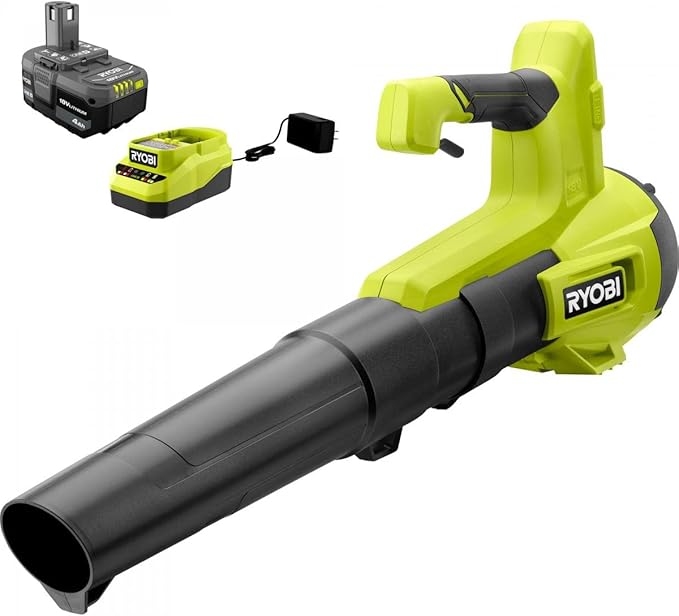 | RYOBI ONE+ 18V Jet Fan | Check Price |
Our Top Picks 2  | RYOBI 40V Leaf Blower | Check Price |
Our Top Picks 3  | RYOBI 40V HP Brushless | Check Price |
Our Selected Top 12 Ryobi Leaf Blower Picks for Every Need
This list features a variety of leaf blowers designed to meet different needs and preferences. Each review covers performance, ideal users, and key strengths and weaknesses to help you find the best fit for your yard maintenance tasks.
1. RYOBI ONE+ 18V Cordless Jet Fan Leaf Blower
Great for homeowners who want a lightweight, cordless leaf blower for quick cleanup jobs, the RYOBI ONE+ 18V Cordless Jet Fan Leaf Blower stands out with its strong airflow hitting up to 100 miles per hour. It suits those looking for an easy-to-handle tool rather than commercial-level power.
Setup is simple with no cords to worry about, and it runs on an 18-volt battery making it convenient for small to medium tasks around the yard. Adjustable speed lets you control the airflow depending on the amount of debris, so it doesn’t feel overpowering or too weak. Its handheld design keeps it easy to maneuver during daily use.
It delivers solid performance for leaves and light yard debris, clearing areas quickly without strain thanks to its light weight. The build feels durable but compact, and adjustable speed adds useful versatility.
Some users note the battery life can run out quickly on higher speeds, which is the main downside compared to gas blowers.
Reviews often highlight the impressive airflow and adjustable speed as the blower’s biggest strengths, making quick work of light debris. However, battery life is a common complaint, especially when using the highest speed settings which limits continuous use.
People with small yards seeking a cordless blower that’s easy to lift will be happy with this; those needing more power or longer runtime should look into gas-powered options or larger battery platforms.
Pros
- Strong airflow at 100 miles per hour
- Adjustable speed for control
- Lightweight and easy to carry
Cons
- Battery drains quickly on high speed
- Not suitable for heavy-duty clearing
| Specification | Details |
|---|---|
| Power Source | Battery Powered |
| Voltage | 18 volts |
| Form Factor | Handheld |
| Speed | 100 miles_per_hour |
| Additional Features | Adjustable Speed |
2. RYOBI 40V Cordless Leaf Blower Tool Only
Designed for those already using Ryobi’s 40V battery platform, this cordless blower stands out with its powerful airflow of 550 CFM and speeds up to 120 MPH. It suits homeowners needing to clear leaves and debris without the hassle of cords or gas engines, making yard upkeep straightforward and quick.
Setup is simple since it does not include the battery or charger, meaning you need compatible Ryobi 40V batteries from your collection or to buy separately. Its lightweight handheld design and adjustable speed control make daily use less tiring and more efficient during extended cleaning sessions around the yard or driveway.
When in use, it drives a solid stream of air that tackles leaves and debris with noticeable force, benefiting from the 40-volt power source. Build quality feels sturdy yet balanced for easy handling.
Strong points noted include reliable airflow for its class. Some users mention needing separate purchase of battery and charger as a downside.
Strongest praise centers on the powerful 550 CFM blowing capacity which clears leaves efficiently while staying lightweight and manageable. The most frequent downside is the need to buy battery and charger separately, which can add to initial cost and setup hassle.
Ideal users already invested in Ryobi’s 40V battery tools who want to add blower functionality without new chargers. Those without previous Ryobi batteries or who prefer an out-of-the-box blower with included power sources may want to explore other options.
Pros
- High air flow capacity of 550 cfm
- Adjustable speed for better control
- Lightweight for extended use
- Works with Ryobi 40V battery system
Cons
- Battery and charger sold separately
- Speed listed inconsistently as 120 and 125 mph
| Specification | Details |
|---|---|
| Power Source | Battery Powered |
| Voltage | 40 volts |
| Air Flow Capacity | 550 cfm |
| Maximum Speed | 120 miles_per_hour |
| Additional Features | Adjustable Speed, Lightweight |
3. RYOBI 40V HP Brushless Cordless Leaf Blower Tool Only
RYOBI 40V HP Brushless Cordless Leaf Blower is ideal for anyone needing a powerful, cordless tool to tackle outdoor cleanups quickly. Its biggest strength lies in delivering strong airflow while maintaining cordless freedom, perfect for medium to large yard work without the hassle of gas or cords.
Getting started is simple since it runs on a 40-volt battery (sold separately), avoiding the mess of fuel. Adjustable speed and throttle lock make controlling the airflow easy and comfortable for longer jobs.
A turbo mode gives extra power when dealing with tougher piles of leaves or debris. The handheld design helps keep things light and easy to maneuver during daily use.
The blower pushes air at 160 miles per hour with a 650 cfm capacity, making quick work of dried leaves and grass clippings. Its brushless motor feels sturdy and reliable.
Many praise how powerful and quiet it is compared to older gas models, though some find the battery life could be longer to cover larger areas in a single charge.
Power and quiet operation stand out as the blower’s biggest advantages, making yard cleanup less tiring and noisy. The battery life is the most common concern, as it might not last for very large jobs without a recharge or spare battery.
People with medium-sized yards or who appreciate cordless convenience without engine fumes will be pleased. Those needing extended runtime or working on very large areas might want to consider models with longer battery life or gas-powered options.
Pros
- High air flow of 650 cfm clears debris fast
- Adjustable speed with throttle lock gives you better control
- Turbo mode for extra power on tough jobs
- Brushless motor provides durability and quieter operation
Cons
- Battery life can limit long working sessions
- Battery and charger sold separately, adding extra cost
| Specification | Details |
|---|---|
| Power Source | Battery Powered |
| Voltage | 40 volts_of_direct_current |
| Form Factor | Handheld |
| Air Flow Capacity | 650 cfm |
| Speed | 160 miles_per_hour |
| Additional Features | Adjustable Speed, Throttle Lock, Turbo |
4. RYOBI 40V Cordless Leaf Blower with Battery and Charger
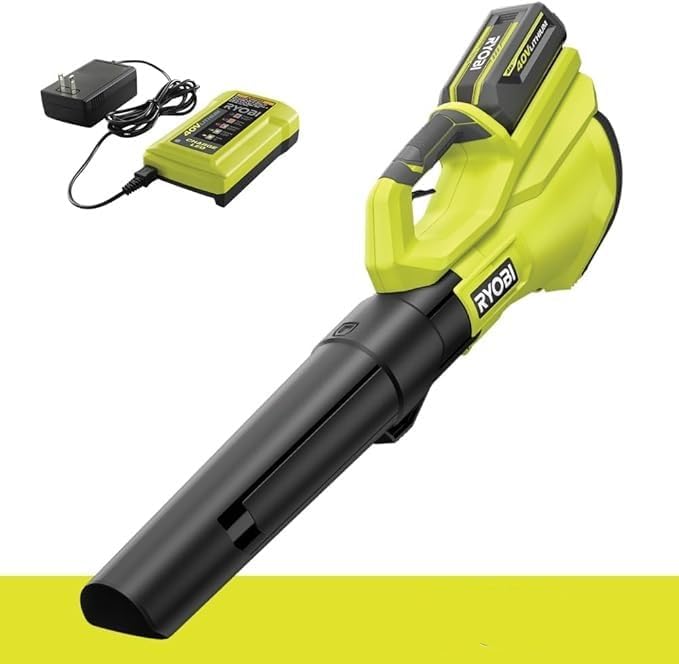
Using the RYOBI 40V Cordless Leaf Blower feels quite liberating compared to corded models. Its handheld, battery-powered design suits anyone looking for mobility without losing blowing power.
The main advantage is how easy it is to move around the yard without dragging cords or hunting for outlets.
Setting up is simple since it comes with its own battery and charger. Day-to-day use revolves around having enough airflow to clear leaves and debris quickly, and with a 40-volt battery, the power stays consistent for a good while. Handling feels natural and not too heavy, making yard work less of a chore.
Blowing at 550 cfm, it does a solid job moving leaves from lawns or patios. The build feels sturdy for a handheld device but some users mention it could be a bit loud during operation.
Battery life and power delivery form the backbone of its performance, and it keeps going until the charge runs low.
Users appreciate the solid blowing power and cordless convenience that allow quick cleanup with no restrictions. Complaints mostly focus on noise levels and the battery charge lasting only so long before needing a recharge.
The blower suits homeowners wanting to clear light to medium debris without hassle. Those with very large areas or who need extended runtimes might want to consider models with bigger batteries or corded options for continuous use.
Pros
- Good mobility without cords
- Strong airflow at 550 cfm
- Comes with battery and charger
- Lightweight handheld design
Cons
- Can be quite loud during use
- Battery life limits longer sessions
| Specification | Details |
|---|---|
| Power Source | Battery Powered |
| Voltage | 40 volts |
| Form Factor | Handheld |
| Additional Features | 550 cfm |
5. RYOBI ONE+ 18V Cordless Jet Fan Leaf Blower Tool Only

Light-duty yard work becomes simple with this cordless leaf blower. Best suited for quickly clearing dry leaves off hard surfaces, it stands out for its easy handling and variable speed control that lets you tailor the airflow.
Setup is quick since it operates on an 18-volt battery, which needs to be purchased separately along with the charger. Without the hassle of cords or gas, you simply pull the trigger to get a strong, controlled blast of air.
The cordless and handheld design means you can move around freely, ideal for smaller areas or quick cleanup jobs.
The blower pushes out air at 350 cubic feet per minute and reaches speeds up to 100 miles per hour, making short work of light debris. It’s lightweight and comfortable to hold for short periods. One plus commonly noted is the simple operation, while a frequent downside is that it lacks enough power for heavy or wet leaves, particularly on larger lawns.
The most common compliment highlights how easy it is to use, with quick startup and good control thanks to the variable speed trigger. A frequent complaint centers on the blower not having enough power for tougher tasks or damp leaves.
This blower suits people who need an easy, quick solution for light yard cleanup on hard surfaces. Those with large properties or heavy, wet debris should look for a more powerful model or one with gas power.
Pros
- Cordless convenience for easy mobility
- Variable speed trigger for precise control
- Lightweight design for less fatigue
- Strong airspeed ideal for dry leaves
Cons
- Battery and charger sold separately
- Not powerful enough for heavy or wet leaves
| Specification | Details |
|---|---|
| Power Source | Battery Powered |
| Voltage | 18 volts |
| Air Flow Capacity | 350 cfm |
| Speed | 100 miles_per_hour |
| Form Factor | Handheld |
6. RYOBI 40V HP Brushless Cordless Leaf Blower Tool Only
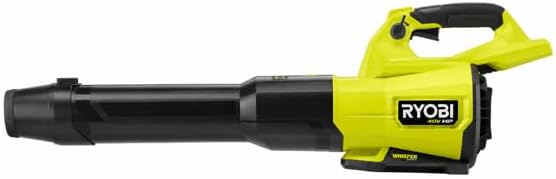
Lightweight and cordless design makes yard work easy with the RYOBI 40V HP Brushless Leaf Blower. Suited for homeowners needing strong blowing power without dealing with cords.
Its biggest strength lies in delivering a powerful 180 MPH airspeed with freedom of movement.
Setup is straightforward because it operates without a cord and runs on a 40V battery platform (battery not included). Handling is comfortable due to its handheld form, and you can use it quickly for clearing leaves or debris without dealing with fuel or tangled cords.
The brushless motor helps keep it running efficiently over repeated use.
This blower produces strong airflow at 800 CFM, making yard cleanup fast and thorough. Its build feels solid for a handheld tool, designed to last through regular outdoor jobs. The best feedback highlights its strong blowing power, while some note that the battery and charger are sold separately, which can be less convenient.
Many appreciate how powerful the blower feels while remaining easy to handle and cordless, but needing to buy the battery and charger separately often comes up as a drawback. It’s a solid tool for fast, straightforward cleanup with strong airflow.
Good fit for homeowners looking for cordless power and portability without gas or cords. Those needing longer run times or an all-in-one kit might want to consider other options.
Pros
- Strong 180 MPH airspeed clears leaves quickly
- Lightweight, easy to maneuver handheld design
- Brushless motor improves motor efficiency and lifespan
- Battery-powered for cordless convenience
Cons
- Battery and charger sold separately
- May require frequent recharging on larger jobs
| Specification | Details |
|---|---|
| Brand Name | RYOBI |
| Model Number | RY40HPLB01 |
| Manufacturer Part Number | RY40HPLB01 |
| Velocity | 180 MPH |
| Air Volume | 800 CFM |
| Power Source | Cordless, 40V Battery |
7. (No Brand) Cordless Electric Leaf Blower with Batteries and Charger

Quiet and cordless, this electric leaf blower suits anyone wanting a lightweight, easy-to-use tool for quick yard jobs. Its biggest strength is the dual 20 V 5.2Ah batteries that provide a lengthy runtime, making it perfect for tackling leaves, grass clippings, and even light snow without worrying about power cords.
Setting it up involves charging the two batteries with the included high-efficiency charger. Swapping batteries is simple, so you won’t be stuck waiting for a charge.
The handheld design feels manageable during use, and moving it around the yard or driveway is straightforward. It works well on different surfaces like sidewalks and lawns, handling dust and debris without much effort.
Performance is solid with an air flow capacity of 650 cfm, pushing leaves and debris effectively. Built with practical materials, it feels durable but isn’t the lightest blower you’ll find. Reviews often highlight its reliable power and long runtime, while the most common complaint is that it can get a bit tiring for extended use due to its weight.
Many appreciate the long battery life and power output that can handle different yard messes. The most repeated downside is the weight, making it tiring after a while for those with larger areas or lengthy cleanups.
This blower is perfect for people with yards who want reliable cordless power for moderate tasks and don’t mind a bit of extra weight. People with very large yards or those preferring ultra-light tools might want to look at lighter or corded models instead.
Pros
- Long runtime with two 20 V 5.2Ah batteries
- Quick charging with included high-efficiency charger
- Works on multiple debris types including light snow and dust
- Handheld design allows for easy maneuvering
Cons
- Can feel heavy during extended continuous use
- Noisy compared to some other cordless models
| Specification | Details |
|---|---|
| Power Source | Battery Powered |
| Voltage | 20 volts |
| Form Factor | Handheld |
| Air Flow Capacity | 650 cfm |
| Additional Features | leaf blower |
8. RYOBI ONE+ 18V Brushless Compact Blower Tool Only

Lightweight and compact, the RYOBI ONE+ 18V Brushless Compact Blower is great for anyone who wants a portable leaf blower that’s easy to handle without sacrificing power. Its ability to adjust length and speed makes it especially useful for those with varying outdoor needs and limited storage space.
Setting it up is straightforward since it’s battery-powered and works within the RYOBI ONE+ system, so no cord to worry about. The variable speed trigger lets you control exactly how much power you want, and you can lock in a speed to keep things steady during longer jobs.
Two nozzle options add versatility, and the compact size really puts less strain on your arms during use.
Power output feels solid for an 18V blower, able to clear leaves and debris easily in most situations around the yard. It feels well-made with a brushless motor that helps efficiency and battery life.
A common praise is how light it is for such power, while some note the battery life could be longer depending on the task. Rubber-tipped nozzles help avoid damage when working close to surfaces.
The light and compact design earns high marks for comfort during use and easy maneuvering, but the battery life tends to be the biggest point of frustration for longer or heavier tasks. Having two nozzle options adds real value for different cleanup needs.
People with small to medium outdoor spaces and existing RYOBI ONE+ batteries will appreciate the balance of power and portability. Those who need longer run times or don’t already own compatible batteries might want to consider other models.
Pros
- Lightest and most compact blower from RYOBI
- Variable speed trigger with lock-on settings
- Customizable length with two nozzles
- Brushless motor for efficiency
Cons
- Battery life may be short for larger jobs
- Blower tool sold without battery included
| Specification | Details |
|---|---|
| Power Source | Battery Powered |
| Voltage | 18 volts |
| Form Factor | Handheld |
| Additional Features | Battery Charge Indicator |
9. RYOBI ONE+ 18V Cordless Jet Fan Leaf Blower Tool Only

Clearing leaves and debris from your yard can be tiring, especially with bulky equipment. Designed for homeowners who want cordless convenience, this jet fan blower delivers strong airflow to tackle leaves with a 325 CFM at 100 MPH. Its biggest strength is the powerful blow in a compact, handheld package.
Setting it up is simple as it works with any RYOBI 18-Volt ONE+ battery, although the battery and charger are sold separately. The variable speed trigger lets you control the airflow easily while working, and the hanging hook adds convenience for storage or breaks. Being cordless means less fuss moving around without tangled cords.
Performance is solid for most residential needs, pushing air quickly enough to clear leaves and light debris. The jet fan design gives a focused blast of air, and the adjustable speed helps handle different chores.
Users praise its power and lightweight feel, while some mention the absence of a battery as a downside. Build quality feels durable for regular outdoor use.
The blower receives praise for its powerful and precise air output, making leaf cleanup straightforward. The most common drawback is that it comes without a battery or charger, requiring extra purchase for operation.
Ideal for homeowners who already use RYOBI tools with compatible batteries, especially those wanting a cordless option. It is less suited for users needing a high-capacity blower or those starting from scratch without existing RYOBI batteries.
Pros
- Strong 325 CFM airflow clears leaves easily
- Variable speed trigger for control
- Works with all RYOBI 18V ONE+ batteries
- Lightweight and easy to handle
Cons
- Battery and charger not included
- Not intended for heavy-duty, commercial use
| Specification | Details |
|---|---|
| Power Source | Battery Powered |
| Voltage | 18 volts |
| Speed | 100 miles_per_hour |
| Air Volume | 325 CFM |
| Form Factor | Handheld |
| Additional Features | Adjustable Speed |
10. RYOBI 40V Whisper HP Brushless Cordless Jet Fan Leaf Blower Tool Only

Delivering up to 190 miles per hour of wind speed, the RYOBI 40V Whisper HP Brushless Cordless Jet Fan Leaf Blower is a solid choice for those who want a powerful, quiet tool for outdoor cleanup. Its incredibly low noise level of 57 dB makes it suitable for neighborhoods sensitive to loud equipment.
Setup is straightforward since it runs on a 40-volt rechargeable battery, making it completely cordless and portable. The blower’s lightweight and compact design keeps it comfortable during extended use without feeling cumbersome.
Adjustable speed settings let you choose the right airflow for different tasks, which adds to its versatility around the yard.
Performance hits the mark with strong, consistent airflow that easily tackles leaves and debris. The brushless motor supports durability and efficiency, while the handheld form factor makes maneuvering easier.
Most appreciate how quiet it runs, but some mention the battery is not included, which means you must have compatible Ryobi batteries or buy one separately.
The quiet operation is the feature many find most impressive, making outdoor cleanup less disruptive. The common downside is needing to purchase the battery separately, which adds to the initial investment. The blower’s power and portability suit most yard work but require compatible batteries to perform well.
The blower works well for homeowners wanting a quiet, cordless tool to handle daily leaf clearing. Those needing longer runtimes or don’t already own Ryobi batteries might prefer a unit with included batteries or a corded model instead.
Pros
- Quiet operation at just 57 dB
- Strong wind speed of 190 MPH
- Lightweight and easy to carry
- Adjustable speed for varied tasks
Cons
- Battery sold separately
- Limited run time depending on battery
| Specification | Details |
|---|---|
| Power Source | Battery Powered |
| Voltage | 40 volts |
| Noise Level | 57 db |
| Speed | 190 miles_per_hour |
| Form Factor | Handheld |
| Additional Features | Adjustable Speed, Compact Design, Lightweight, Portable, Rechargeable |
11. RYOBI ONE+ 18V Cordless Leaf Blower with Battery and Charger

Great for homeowners looking for a lightweight and easy-to-handle leaf blower, this battery-powered model stands out for its compact design and quiet operation. It suits those who want decent blowing power without the bulk or noise of gas-powered options.
Setting up the blower is straightforward, thanks to the included battery and charger. Its handheld form factor makes it simple to maneuver around the yard. The cordless feature means no fuss with cords, while the lightweight design reduces fatigue during longer cleanups.
Its noise level keeps things relatively peaceful outdoors.
Delivering air speeds up to 90 miles per hour, it clears leaves efficiently in most situations. The build feels solid and durable without being heavy. Many appreciate how quiet it runs at 70 decibels.
Some users note battery life limits the continuous use time more than power or weight.
The blower is praised for being quiet and easy to carry, making yard work less tiring. On the other hand, battery life restricts longer sessions of blowing without pauses for charging.
Perfect for those needing a light, cordless blower for typical leaf cleanup. Not ideal for heavy-duty jobs or extended use without frequent recharges.
Pros
- Compact and lightweight for easy handling
- Quiet operation at 70 decibels
- Good air speed of 90 miles per hour
- Includes battery and charger
Cons
- Battery limits continuous use time
- Less powerful than larger gas models
| Specification | Details |
|---|---|
| Power Source | Battery Powered, Gas Powered |
| Voltage | 18 volts |
| Form Factor | Handheld |
| Noise Level | 70 db |
| Speed | 90 miles_per_hour |
12. RYOBI 40V Brushless Cordless Leaf Blower/Mulcher/Vacuum Tool Only
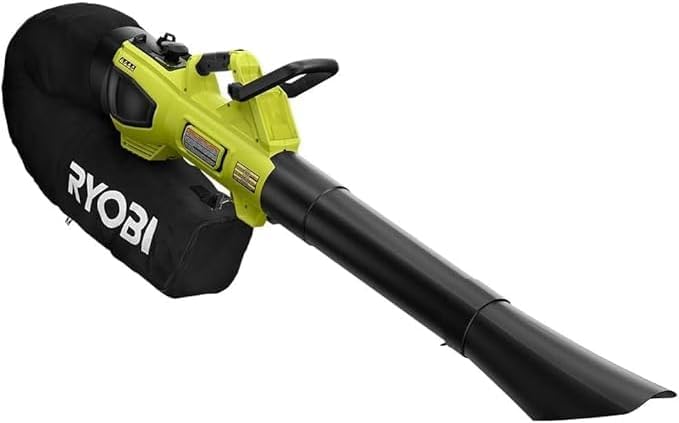
Combining blower, vacuum, and mulcher into one tool, this 40V device suits anyone wanting a powerful, single-tube solution for yard cleanup. Its standout feature is the 40-Volt HP technology that delivers twice the power typically expected from cordless tools in this range.
Getting started is straightforward since it’s cordless and has a dial that switches between blowing and vacuuming without fuss. Variable speed control lets you dial in how hard it blows or sucks, which feels practical for handling light leaves or denser piles. The included speed tip pushes air up to 100 MPH, making quick work of stubborn debris.
Delivering 600 CFM airflow through a jet fan design, it clears leaves efficiently and mulches up to 20 bags into one, saving trips to the curb. Build quality feels solid with brushless motor durability, though some users mention it can be a bit heavier after extended use. The strongest point is its power and ease to shift modes; the main complaint centers around its weight during longer sessions.
Powerful airflow and easy switching between modes stand out as major benefits, helping clear yards fast while condensing a lot of leaf waste. Most users note the tool weighs enough to cause arm fatigue when used extensively. Its overall build is solid, geared toward giving gas-like performance with cordless freedom.
Someone looking for a heavy-duty cordless blower that simplifies cleanup in one machine will appreciate this. Those wanting ultra-lightweight tools or more tubing options might prefer alternatives focused on lighter, more specialized designs.
Pros
- 40-Volt HP technology gives gas-level power
- Switch between blowing and vacuuming easily
- Variable speed and cruise control dial
- Mulches a large volume of leaves efficiently
Cons
- Feels somewhat heavy during extended use
- Only one tube; less flexibility for detailed work
| Specification | Details |
|---|---|
| Voltage | 40 volts |
| Airflow | 600 CFM |
| Maximum Air Speed | Up to 100 MPH |
| Functionality | Blower, Vacuum, Mulcher |
| Mulching Ratio | 20 bags into 1 |
Best Ryobi Leaf Blowers Comparison Table
| Product | Voltage | Speed | Air Flow Capacity | Additional Features |
|---|---|---|---|---|
| RYOBI ONE+ 18V Jet Fan | 18V | 100 mph | – | Adjustable Speed |
| RYOBI 40V Leaf Blower | 40V | 125 mph | 550 cfm | Adjustable Speed, Lightweight |
| RYOBI 40V HP Brushless | 40V | 160 mph | 650 cfm | Adjustable Speed, Turbo, Throttle Lock |
| RYOBI 40V Blower Kit | 40V | – | 550 cfm | – |
| RYOBI ONE+ 18V Jet Fan | 18V | 100 mph | 350 cfm | Cordless, Handheld |
| RYOBI 40V HP Brushless Tool | 40V | – | – | – |
| Cordless Leaf Blower Kit | 20V | – | 650 cfm | – |
| RYOBI ONE+ 18V Brushless Compact | 18V | – | – | Battery Charge Indicator |
| RYOBI ONE+ 18V Jet Fan | 18V | 100 mph | – | Adjustable Speed |
| RYOBI 40V Whisper HP | 40V | 190 mph | – | Whisper, Lightweight, Compact |
| RYOBI ONE+ 18V Blower Kit | 18V | 90 mph | – | Compact, Lightweight |
| RYOBI 40V Brushless Mulcher | 40V | – | – | Mulcher |
- Voltage18V
- Speed100 mph
- Air Flow Capacity–
- Additional FeaturesAdjustable Speed
- Voltage40V
- Speed125 mph
- Air Flow Capacity550 cfm
- Additional FeaturesAdjustable Speed, Lightweight
- Voltage40V
- Speed160 mph
- Air Flow Capacity650 cfm
- Additional FeaturesAdjustable Speed, Turbo, Throttle Lock
- Voltage40V
- Speed–
- Air Flow Capacity550 cfm
- Additional Features–
- Voltage18V
- Speed100 mph
- Air Flow Capacity350 cfm
- Additional FeaturesCordless, Handheld
- Voltage40V
- Speed–
- Air Flow Capacity–
- Additional Features–
- Voltage20V
- Speed–
- Air Flow Capacity650 cfm
- Additional Features–
- Voltage18V
- Speed–
- Air Flow Capacity–
- Additional FeaturesBattery Charge Indicator
- Voltage18V
- Speed100 mph
- Air Flow Capacity–
- Additional FeaturesAdjustable Speed
- Voltage40V
- Speed190 mph
- Air Flow Capacity–
- Additional FeaturesWhisper, Lightweight, Compact
- Voltage18V
- Speed90 mph
- Air Flow Capacity–
- Additional FeaturesCompact, Lightweight
- Voltage40V
- Speed–
- Air Flow Capacity–
- Additional FeaturesMulcher
How to Choose the Best Ryobi Leaf Blower
Choosing the right leaf blower depends on factors like power, weight, and battery life, as these affect efficiency and ease of use. Selecting the appropriate model ensures effective cleanup while avoiding unnecessary maintenance and early replacement costs.
Power and Airflow
Blowers vary widely in their power output, and clear numbers like MPH (miles per hour) and CFM (cubic feet per minute) really show how well they move debris. I’ve used lightweight models with around 150 MPH and 200 CFM that work fine for clearing leaves off a porch.
For bigger jobs like yard cleanup with wet leaves or small twigs, you need closer to 400 CFM and 200 MPH to get the job done quickly. The motor type also makes a difference over time. Brushless motors tend to last longer and feel more efficient than brushed ones, which wear out faster and can lose power after regular use.
Selecting a model with the right power range depends on the cleanup tasks you face. Light garden use fits well with lower MPH and CFM, while larger or heavier debris demands more airflow and a solid brushless motor for durability.
Battery Life and Charging
Battery life is key during yard work since a blower that dies halfway through leaves the job unfinished. I’ve found batteries rated around 4 to 6 Ah give a decent runtime near 30 minutes depending on power use. Longer runtimes are always nicer for larger yards, but they often add extra weight.
Checking if the battery platform is shared across other tools helps avoid juggling batteries and chargers. Ryobi’s 18V system commonly supports drills, trimmers, and blowers interchangeably, which simplifies things.
Charging times can vary from 30 minutes to over an hour. Having spare batteries handily available lets the work continue with minimum waits. Quick chargers and battery compatibility across products make a noticeable difference in efficiency when maintaining a yard.
Weight and Ergonomics
Holding a blower for more than a few minutes becomes tiring if the weight is too high. Models under 7 pounds feel noticeably lighter during extended use, reducing arm fatigue. Balance plays a big role too; well-designed blowers place the battery and motor for even weight distribution.
Handle comfort also matters, soft grips and low vibration levels help maintain control while navigating tight spots around flower beds or fences.
Some models offer anti-vibration systems that make continuous use easier on your hands. You want a blower that feels natural to carry and maneuver, especially in different yard sizes, so you can work without frequent breaks.
Nozzle Design and Versatility
Nozzle design affects how well you can target and control airflow. Adjustable nozzles or multiple attachments allow steering the air to narrow or wider paths, which changes how debris is moved. I’ve used blowers with removable round and flat nozzles, making it simple to switch between blowing leaves off concrete or moving mulch.
Switching between blower and vacuum modes adds versatility but check how easily attachments lock in place. Tools with simple clips or twist mechanisms save time and frustration. Having options for different yard jobs avoids needing separate machines and keeps things more efficient.
Durability and Warranty
Outdoor power tools must handle dust, moisture, and occasional bumps. I’ve seen some blowers with plastic casings crack or buttons fail after a season of regular use.
Models with reinforced housings and quality plastics or metal parts last noticeably longer. Inspect seams and button designs for solid construction before committing.
Warranties usually range from one to three years; longer coverage helps if the blower stops working unexpectedly. Easy maintenance access and the availability of replacement parts such as batteries, nozzles, and filters mean less downtime and additional costs over time.
Maximizing Efficiency: Tips for Using Ryobi Leaf Blowers Effectively
Starting with the right technique can save time and energy. Hold the Ryobi leaf blower with both hands for better control, especially when working over uneven ground or clearing dense piles of leaves. Adjusting the nozzle angle influences how leaves move; a lower angle helps gather debris into piles, while a higher angle can clear larger areas quickly.
Moving in a steady, sweeping motion prevents scattered leaves from blowing back. Lightweight models are practical, but balancing power and battery life is key if you have a large yard.
Keep these points in mind to get the best results:
- Start blowing leaves from the outer edges and work inward.
- Use lower airflow settings on small or delicate areas to avoid scattering debris.
- Wear eye protection to avoid getting dust or small objects in your eyes.
- Take breaks to prevent fatigue during extended use.
Essential Maintenance Practices to Prolong Your Ryobi Leaf Blower’s Lifespan
Regular maintenance is critical to keeping a Ryobi leaf blower working well. Some models use batteries, which require charging and proper storage to maintain capacity. Remove and clean the air filter periodically to prevent clogs that reduce airflow and strain the motor.
Check for and clear any debris blocking the nozzle and intake areas.
Maintenance tasks that extend the blower’s life include:
- Cleaning the exterior and storing the blower in a dry place.
- Inspecting the battery contacts and cleaning them if needed.
- Checking screws and fasteners on the blower for any looseness.
- Replacing worn parts like batteries or filters promptly.
Carrying out these simple steps often prevents breakdowns and keeps performance consistent.
Common Mistakes to Avoid When Operating Ryobi Leaf Blowers
Common mistakes can reduce a Ryobi leaf blower’s effectiveness and cause damage. Holding the blower too far from the ground may scatter debris across a wider area, making cleanup more difficult.
Using maximum power on light leaf piles wastes battery life unnecessarily. Spraying blowing air directly at hard surfaces or walls can bounce debris back at you or cause damage.
Be careful to avoid these pitfalls:
- Do not let the battery drain completely before recharging to prevent shortening its life.
- Avoid using the blower in wet conditions since moisture affects battery performance and safety.
- Do not ignore manufacturer instructions specific to your Ryobi model.
- Refrain from overloading the blower by trying to move too much debris at once.
Addressing these points helps maintain control and efficiency while reducing wear on the equipment.
People Also Asked
How Do I Maintain a Cordless Leaf Blower for Longevity?
Keep the battery charged properly and store it in a cool, dry place to extend the life of a cordless leaf blower. Clean the air vents regularly to prevent dust buildup. Avoid overcharging the battery and remove it from the charger once fully charged.
What Size Leaf Blower Is Suitable for Large Yards?
A leaf blower with a higher CFM (cubic feet per minute) rating is suited for large yards, often above 400 CFM. This means it moves more air to clear leaves faster. Corded or battery-powered models with longer run times and good power perform well for extensive tasks.
Are Battery-Powered Leaf Blowers Safe to Use Around Children?
Battery-powered leaf blowers are safer around children than gas-powered models because they produce less noise and no fumes. Still, supervise children playing outside during use to avoid accidents. Teach kids to stay clear of the blower while it is running.
How Do I Replace the Battery on a Cordless Leaf Blower?
Most cordless leaf blowers have slide-in or snap-in batteries that can be easily removed by pressing a release button or tab. Make sure the blower is off before removing the battery, then align the new battery with the connectors and push it in until it clicks securely.
What Common Problems Should I Expect with a Leaf Blower?
Common problems include the blower not starting, battery drain issues, or reduced air output due to clogged air vents. Keeping the blower clean and batteries fully charged can prevent most issues. Check the manual for troubleshooting tips if it won’t run properly.
Conclusion
Choosing a leaf blower mainly comes down to power, weight, and battery life. Power affects how quickly you can clear debris, while weight matters for comfort during longer use.
Battery life determines how long you can work without stopping to recharge, which is important if you have a larger yard.
Consider the size of your yard and how often you will use the blower before making a choice. Picking one that fits your specific needs will save both money and hassle.
Take another look at the comparison table and the options discussed above to help find the right fit for your situation.

I’m Cody Harrison, a lifelong hunter who has spent many seasons in the woods, marshes, and open country. I write about hunting gear, rifle and bow setups, scouting strategies, tree stands, and field safety. I share lessons from real hunts to help both beginners and experienced hunters prepare better, hunt smarter, and get more out of every trip.


