
Top 12 Best Weed Eater for Ditches That Work Like Magic
Trying to clear overgrown ditches with a standard weed eater often ends in frustration. Cheap models tend to lack the reach or power needed to cut through thick brush or tall weeds, causing the line to break frequently or the engine to stall.
Finding the best weed eater for ditches means getting a tool that can handle uneven terrain and tough vegetation without constant fuss or downtime.
The main factors that set a solid ditch weed eater apart are a long reach, reliable power source, and durable cutting head. Most ditch trimmers have shafts around 40 to 50 inches to help access low, hard-to-reach areas. Gas models with engines between 25cc and 30cc generally provide enough power without being too heavy.
A cutting head that accepts a variety of line sizes, and is easy to replace or clean, makes maintaining it less of a chore.
Need a Quick Check?
| Image | Product | Price |
|---|---|---|
Our Top Picks 1  | BLACK+DECKER LST300 Trimmer | Check Price |
Our Top Picks 2  | 46cc Gas String Trimmer | Check Price |
Our Top Picks 3  | 51.7cc Gas Brush Cutter | Check Price |
Our Selected Top 12 Weed Eater for Ditches You Can Trust
This list features twelve top-rated weed eaters designed specifically for tackling ditches with ease. Each review explains how well the tool performs, the type of user it’s best suited for, and highlights its strengths and weaknesses to help you make an informed choice.
1. BLACK+DECKER LST300 String Trimmer and Edger
Light and simple to handle, the BLACK+DECKER LST300 String Trimmer and Edger suits anyone needing a reliable tool for ditch trimming without the noise and mess of gas models. Its strongest point lies in its smooth power delivery at 6200 RPM, making quick work of tough grass and edges alike.
Setting up the trimmer takes moments, thanks to its automatic feed spool that advances the line without bumping. Battery-powered operation means no tangled cords to manage, and the adjustable handle and height positions make it comfortable to maneuver along ditches for extended periods. Switching between trimming and edging is quick, transforming the tool for different needs as you work.
Cutting performance stands out with a 12-inch cutting width powered by the high-speed motor. The build feels sturdy yet light, helping reduce fatigue when working in uneven and tricky ditch areas.
Praised widely for its quiet operation and ease of starting, it occasionally faces complaints about line feed consistency, which some find unreliable under heavy use.
The trimmer gets consistent praise for quiet running and quick start-up, alongside solid cutting power. Most common complaint involves uneven line feed that may slow down work when cutting through dense or tall grass.
Those who want a lightweight, user-friendly trimmer for moderate ditch work will find this tool well suited to their needs. Heavy-use gardeners or those needing extended battery life might consider a more powerful or gas-powered alternative.
Pros
- Automatic feed spool requires no bumping
- Converts quickly between trimmer and edger
- Lightweight with adjustable handle and height
- Quiet and easy to start
Cons
- Line feed can be inconsistent during heavy use
- Battery life limits long jobs without recharge
| Specification | Details |
|---|---|
| Power Source | Battery Powered |
| Cutting Width | 12 inches |
| Speed | 6200 rpm |
| Number of Batteries | 1 Lithium Ion batteries required. (included) |
2. Gas 46cc 2-Cycle String Trimmer
Great gas-powered trimmer for tackling thick weeds and brush, especially in hard-to-reach ditches. It’s perfect for anyone needing a reliable tool with a long shaft and versatile cutting options to handle various yard challenges without constant bending or swapping tools.
Getting it ready to go is straightforward with a 46CC 2-cycle engine that offers solid gas-powered performance. The 71-inch straight shaft helps you reach along fences or into ditches comfortably.
Controls are easy to handle thanks to the non-slip rubber grip and simple throttle with on/off switch. Switching between the trimmer head, metal blade, and circular saw blade covers different cutting tasks with ease.
Performance is impressive for cutting grass, overgrown weeds, and even some light brush. The 3-in-1 cutting system really stands out for adaptability, letting you switch tools depending on the job. The build feels durable for its price, though some find it a bit heavy during extended use.
It works well but requires regular refueling and maintenance common to gas engines.
The most praised feature is the powerful and adaptable cutting options that let you easily switch between trimming and brush clearing. The main complaint focuses on the weight, which can feel tiring during long periods of use.
People needing a tough, all-around trimmer for ditch work and varying vegetation will appreciate this model. Those looking for a lighter, low-maintenance electric model might want to consider other options instead.
Pros
- Versatile 3-in-1 cutting system for different tasks
- Long shaft reduces need to bend over
- Strong gas engine power for overgrowth
- Comfortable non-slip handle
Cons
- Relatively heavy for extended use
- Requires regular refueling and maintenance
| Specification | Details |
|---|---|
| Power Source | Gas Powered |
| Engine Size | 46CC 2-CYCLE |
| Cutting width | 10 inches |
| Shaft Length | 71-IN STRAIGHT SHAFT |
| Speed | 3000 rpm |
3. Gas 51.7cc 2-Cycle Weed Eater and Brush Cutter
Solidly built with a powerful 51.7cc 2-cycle gas engine, this weed eater suits anyone with a large yard or property needing serious trimming and cutting. Its biggest strength lies in the versatility to handle various tasks, from string trimming to brush cutting and even circular saw jobs, all with one machine.
Setting up involves attaching the right cutting head depending on the job, string trimmer, brush cutter, or circular saw blade. Day-to-day use feels strong thanks to the 2 HP engine running up to 10,000 RPM, allowing you to tackle thick weeds or light brush along ditches without switching tools. The 16-inch cutting width covers more ground efficiently.
Gas powering needs mixing 2-cycle oil, which adds some maintenance but keeps you untethered.
Performance is solid for cutting through grass, weeds, tough brush, and small branches. The build is heavy-duty but somewhat bulky, which some users find tiring during long sessions.
Praised for its power and versatility, it does exactly what it’s designed for. A common complaint involves the weight and handling, especially when used for extended periods.
Strong power and multiple cutting attachments make this a good choice for varied and demanding yard work. Some struggle with the weight and find it less comfortable for extended use. Switching heads is straightforward and adds to its usefulness around farms or overgrown properties.
People needing a tough, multi-tasking gas trimmer will appreciate this model’s capabilities. Those looking for a lighter, easier-to-handle tool for short mowing sessions or small yards might want to consider electric or lighter options.
Pros
- Powerful 2 HP engine for tough trimming
- Four tool options in one machine
- 16-inch cutting width covers large areas fast
- Gas powered, no cord limits movement
Cons
- Heavy weight can cause fatigue during long use
- Not CARB certified, so unavailable in California
| Specification | Details |
|---|---|
| Power Source | Gas Powered |
| Engine Size | 51.7CC 2-Cycle |
| Cutting Width | 16 inches |
| Speed | 10,000 rpm |
4. Husqvarna 320iL Cordless String Trimmer
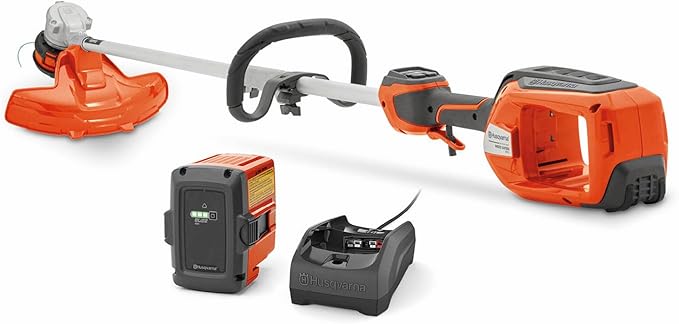
Lightweight design stands out instantly, making yard work less tiring for anyone tackling ditch edges or larger lawn areas. Suited for those needing a cordless solution with quick setup and decent power, its speed and directional head offer real advantages for clean trimming around various obstacles.
Setup includes charging the included Lithium Ion battery, which slides right into the trimmer body. The 16-inch cutting width covers more ground, and switching between the dual-direction trimming head is easy to keep grass clippings off beds or pathways. Handling feels comfortable thanks to the 25% lighter build, making trimming sessions feel shorter and less cumbersome.
Cutting speed hits 8500 rpm, which helps get through weeds efficiently. The build feels solid for an electric model, though the lightness occasionally makes it feel less durable under heavy-duty use.
Many note how well the directional head controls trim waste, but some find the battery life limiting for extended jobs.
Many appreciate how fast and lightweight the trimmer is, especially the dual-direction head that helps keep clippings off edges. Still, the battery life is a common concern, as it can require recharging before finishing larger projects.
This tool fits well for someone who wants cordless convenience and easy handling around ditches or yard edges, making quick work of smaller to medium trimming jobs. Users needing longer operating time or heavy-duty durability might want to consider alternatives.
Pros
- 25% lighter for easier handling
- Dual-direction trimming head keeps areas clean
- 16-inch cutting width speeds up work
- Comes with battery and charger in one kit
Cons
- Battery life can limit longer sessions
- Lightweight build may feel less rugged
| Specification | Details |
|---|---|
| Power Source | Battery Powered |
| Cutting Width | 16 inches |
| Speed | 8500 rpm |
| Number of Batteries | 1 Lithium Ion battery required. (included) |
5. Cordless 20V String Trimmer

Ideal for anyone tackling ditches without the strain, this 20V Cordless String Trimmer stands out for its ultra-lightweight design at only 3.5 lbs. It suits people who want a powerful but easy-to-handle weed eater that avoids fatigue during longer yard sessions.
Putting this trimmer to work is pretty simple thanks to the cordless setup and two included 2.0Ah lithium-ion batteries. You get a decent runtime of 40-60 minutes, which lets you cover sidewalks, patios, and garden edges without stopping for a recharge right away. The lightweight frame makes maneuvering around ditches and tight spots much less of a chore.
Performance-wise, the steady power keeps the cutting width at 12 inches, which handles regular weeds and light overgrowth well. The trimmer feels sturdy despite its light build, but some users find it less suited for very thick or tough brush. The best part is how easy it is to hold and control for extended periods.
The light weight and extended runtime with dual batteries are often praised as they make yard work less tiring. While many enjoy how easy it is to use, some find the power insufficient for very dense or thick weeds.
Those needing a light and steady trimmer for normal lawn and ditch work will find this a good fit. Anyone expecting to tackle heavy brush should look for a more powerful alternative.
Pros
- Ultra-lightweight design reduces fatigue
- Decent runtime with two batteries
- Good cutting width for trimming and edging
- Battery powered for easy cordless use
Cons
- Not suited for thick or tough brush
- Runtime varies significantly by load
| Specification | Details |
|---|---|
| Power Source | Battery Powered |
| Cutting Width | 12 inches |
| Batteries | Two 2.0Ah lithium-ion |
| Weight | 3.5 lbs |
| Runtime | 40-60 minutes |
6. Weed Eater .095 Heavy Duty Trimmer Line

Trimming tough ditches and overgrown edges demands more than just any line. Designed for heavy-duty work, this trimmer line features a unique square shape that handles thick weeds and rough patches with ease. It suits anyone looking for a durable string that maintains a sharp cut without breaking fast.
Installation is straightforward as the line fits standard weed eaters without fuss. Using a premium Polyamide material means fewer interruptions for line breaks.
Its aerodynamic shape boosts cutting efficiency, so daily trimming feels less strenuous and quieter, letting you finish your yard work faster.
Cutting performance is strong thanks to the increased surface area of the square design, providing a cleaner, even edge. The string’s build holds up against tough vegetation better than thinner options.
Some users note that it can wear down faster in extremely rocky terrain, but most praise its lasting durability under normal conditions.
The line provides noticeably cleaner and more efficient cutting due to its square design and durable polyamide construction. It performs well in thick weeds but can wear down faster when hitting rocks or hard debris, which is the main drawback noted.
Those needing tough, long-lasting string for ditch trimming and regular lawn care will appreciate its durability and quiet operation. Users working in rocky or coarse environments might consider a more abrasion-resistant alternative to avoid frequent replacements.
Pros
- Sharp edges for cleaner cuts
- 300% larger cutting surface area
- Heavy duty and durable material
- Quieter operation while trimming
Cons
- May wear quickly on rocky surfaces
- Heavier than some thinner lines
| Specification | Details |
|---|---|
| Item model number | 2.4mm |
| Product Dimensions | 5 x 3 x 6 inches |
| Item Weight | 1.63 pounds |
| Material | Premium Polyamide |
| Shape | Square |
7. WORX WG896 Electric Lawn Edger
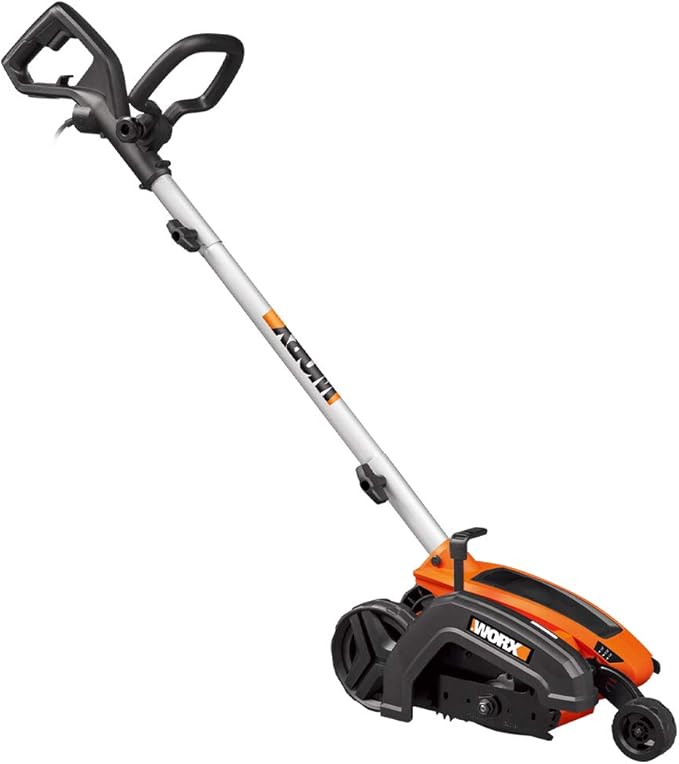
12 Amp motor delivering 4700 RPM gives a solid cut ideal for anyone needing clean, professional-looking ditch edges. Suitable for homeowners who want precise control and a tool that adapts to their height and cutting needs.
Setup involves plugging into a power source and adjusting depth between 1”, 1-1/4”, or 1-1/2” depending on the ditch edges you’re working on. The adjustable shaft and D-grip handle make it comfortable to hold during extended use.
A cutting line indicator helps maintain straight lines so you see a real difference in neatness once finished.
It cuts efficiently through tough grass and edges, making tidying ditches straightforward. The 7.5-inch cutting width balances power and maneuverability well. The machine feels sturdy, with an adjustable shaft that suits users of various heights.
Common praise highlights the clear, professional edges it creates. The main drawback mentioned is restricted mobility from the corded electric design.
The edging produces clean, straight lines with professional results, which users appreciate for maintaining ditches and lawn borders neatly. The cord limits range and movement, which is the most common complaint when managing larger or more awkward areas.
Those who want precise, adjustable cutting close to home and have easy access to power outlets will find this a solid choice. People needing more freedom of movement or very wide cutting paths might look for cordless or gas-powered alternatives.
Pros
- Strong 12 Amp motor spins blade at 4700 RPM
- Adjustable cutting depth for different tasks
- Adjustable shaft fits various user heights
- Cutting line indicator helps stay straight
Cons
- Restricted by corded electric power source
- Cutting width may be narrow for large ditches
| Specification | Details |
|---|---|
| Power Source | Corded Electric |
| Motor Amperage | 12 Amp |
| Cutting Width | 7.5 inches |
| Blade Speed | 4700 revolutions per minute |
| Depth Adjustments | 1″, 1-1/4″, 1-1/2″ |
8. Cordless Electric String Trimmer

People managing small yards or garden edges near ditches will appreciate the cordless electric string trimmer’s main strength: high-speed cutting power. It suits those needing a lightweight, battery-powered option that handles thick grass without the hassle of cords or heavy gas engines.
Getting started is straightforward after extending the line to 6 inches before first use. The auto-feed system helps maintain the right line length during work, letting you release 0.4-inch increments by pressing a button, which keeps trimming consistent.
The dual lithium-ion batteries last about 12 minutes each, so quick swaps might be necessary for longer sessions.
Cutting through grass at 9000 RPM, this trimmer gets the job done quickly with a 12-inch cutting width. It handles lawn edges and thick grass smoothly, making it effective on ditches and garden borders.
The build feels solid for a cordless tool, but the short battery life is a downside highlighted often. Its most praised feature is the automatic line feed, which avoids interruptions, while a common complaint is needing to recharge often during work.
The automatic line feed is highly praised for allowing smooth operation without constantly stopping to adjust the line. Frequent recharging interrupts can be frustrating due to the 12-minute average battery life. Users appreciate how effectively it handles thick grass and edging around ditches during its runtime.
This model suits people needing a lightweight, cordless trimmer for quick yard tasks or edging small ditches. Those with larger areas or longer trimming jobs may find the battery life limiting and should consider an option with longer runtime or a gas-powered model.
Pros
- 9000 RPM cuts thick grass fast
- Automatic line feed reduces manual adjustment
- Lightweight and cordless for easy maneuvering
- Includes two rechargeable lithium-ion batteries
Cons
- Battery life lasts only about 12 minutes per charge
- Line needs pre-extension before first use
| Specification | Details |
|---|---|
| Power Source | Battery Powered |
| Cutting width | 12 inches |
| Speed | 9000 rpm |
| Number of Batteries | 2 Lithium Ion batteries required (included) |
| Battery Average Life | 12 minutes |
9. CRAFTSMAN CMCST901M1 V20 String Trimmer and Edger

Strong cutting power stands out for tackling thick grass and ditch edges with ease, making it a solid choice for those who need reliable cordless performance. Designed for outdoor trimming and edging tasks, it suits anyone looking for a versatile tool that adjusts well to different working positions.
Setting up involves attaching the adjustable handle to match your height, which helps reduce strain during longer jobs. The battery system is part of the V20 lineup, so swapping and charging batteries feels straightforward. Two speed settings let you pick either more power or longer runtime depending on the task, and the wide 13-inch cutting swath means fewer passes along ditches or lawns.
Power pushes through thick grass better than many on a single charge with the 52% more powerful motor. The construction is solid enough to handle ditch work but remains comfortable enough for extended use. The biggest plus is the balance between runtime and power.
Some mention the weight as a downside during long sessions, making it feel a bit bulky when held for hours.
The tool provides strong trimming power and long runtime on a single charge, which many appreciate for serious yard work. Complaints often focus on its weight, especially when used for lengthy periods, which can add to user fatigue.
Those needing a sturdy, powerful trimmer that handles both trimming and edging well will find it effective. People with very large properties or who prefer lighter tools might want to consider alternatives with lighter builds or additional batteries for longer jobs.
Pros
- Powerful motor cuts through thick grass
- Adjustable handle improves comfort
- Large 13-inch cutting swath covers more area
- Two speed settings for runtime or power focus
Cons
- Feels a bit heavy during extended use
- Single battery limits continuous work without backups
| Specification | Details |
|---|---|
| Power Source | Battery Powered |
| Cutting width | 13 inches |
| Battery Average Life | 63 minutes |
| Number of Batteries | 1 Nonstandard Battery batteries required (included) |
| Speed settings | 2 |
10. BLACK+DECKER BESTA510 String Trimmer and Edger

BLACK+DECKER BESTA510 String Trimmer and Edger is designed for tackling both trimming and edging tasks, making it ideal for maintaining ditches and landscaped borders. Its standout feature is the 2-in-1 design with a wheeled edge guide, allowing easy switch between trimming and edging without extra tools.
Setting up involves plugging in the cord and adjusting the handle and height for comfort, which fits well for longer use periods without strain. The automatic feed spool technology keeps the cutting line feeding consistently, so you don’t have to stop and bump the head constantly.
The cord retention system adds security by preventing accidental disconnections during work. Lightweight build and a 14-inch cutting path let you move quickly along ditch edges.
Performance is strong thanks to the 6.5 amp motor and POWERDRIVE transmission pushing through thick weeds and tall grass without bogging down. The build feels sturdy but light enough for controlled trimming, though some find the cord restricting in larger areas. Many praise the automatic line feed for reducing interruptions, but a common complaint is dealing with electric cord length and maneuverability in tight ditch spots.
The automatic line feed system and 2-in-1 function receive strong praise for making yard work smoother without constant stops. The most common complaint focuses on the cord length and how it hinders movement along long or awkward ditches.
Gardeners with small to medium yards and access to power outlets benefit most from this tool’s power and design. Those needing more freedom or working in large open fields might want to explore cordless or gas-powered alternatives for better mobility.
Pros
- Switches easily between trimmer and edger modes
- Automatic feed spool reduces trimming interruptions
- Lightweight with adjustable handle for comfort
- Strong 6.5 amp motor handles tough weeds
Cons
- Cord limits range and maneuverability in large areas
- Some find managing the cord frustrating in tight spots
| Specification | Details |
|---|---|
| Power Source | Corded Electric |
| Cutting Width | 14 inches |
| Speed | 8000 rpm |
| Motor Power | 6.5 amp |
| Features | Automatic feed spool, wheeled edge guide, adjustable handle and height |
11. Cordless Brushless String Trimmer for Dewalt 20V

Cutting through thick ditch grass feels surprisingly easy thanks to the Cordless Brushless String Trimmer for Dewalt 20V. Ideal for anyone already using Dewalt 20V tools, it offers strong performance without the hassle of cords or gas. Its biggest strength lies in combining usefulness and lightweight mobility for ditch trimming tasks.
Charging isn’t included since you have to use your own Dewalt 20V battery, which makes switching between tools straightforward. Setting up involves attaching the battery and choosing between trimming or edging functions.
The 3-in-1 design means fewer tools to carry around and less downtime changing heads when working in and around ditches or lawn edges.
Running at 20,000 rpm, the trimmer handles thick grass well with its 14-inch cutting width. The brushless motor makes it run smoother and quieter compared to older models. It feels solid but stays lightweight for comfort during extended use.
The main praise highlights its cordless freedom, while common complaints mention the need to buy batteries and chargers separately if you don’t have Dewalt gear already.
Customers appreciate the cordless freedom and flexibility this trimmer offers for ditch and lawn care. The main limitation is the need to supply your own Dewalt 20V battery and charger, which can be inconvenient for those without compatible tools already.
Anyone who owns Dewalt 20V batteries will find this trimmer a strong, versatile option for ditch work and edging. Those without Dewalt batteries might want to look for a model with included power sources to avoid extra purchases.
Pros
- Works with existing Dewalt 20V batteries
- Lightweight and easy to carry
- Three functions in one tool
- Good cutting width for ditch work
Cons
- Battery and charger not included
- Requires Dewalt 20V battery for use
| Specification | Details |
|---|---|
| Cutting width | 14 inches |
| Speed | 20000 rpm |
| Power source | Compatible with DEWALT 20V MAX lithium-ion batteries |
| Function | 3-in-1 (weed remover, string trimmer, lawn edger) |
12. WORX WG163 20V 2-in-1 Cordless String Trimmer and Edger

Great for anyone needing a lightweight, cordless tool that handles both trimming and edging with ease, especially in tricky spots like ditches. Its biggest strength is the quick switch between trimmer and edger modes, making changeovers during yard work painless and saving time.
Setting up requires just charging the included 2 lithium-ion batteries, then it’s ready to go without cords to drag around. The push-button instant line feed is a smart feature that keeps things moving smoothly without stopping for manual adjustments. Rubberized wheels help guide the edger in a straight line while the adjustable spacer guard protects plants and garden features during use.
It operates at 7600 rpm with a 12-inch cutting width, which is enough power and size to handle tall grass and ditch sides cleanly. The head tilts 90° to reach slopes and awkward angles without strain. Weighing 5.5 pounds, it feels light enough to use for a while without tiring.
Reviewers praise how simple it is to switch between modes and how easy line feeding is, though some wished it had more power for denser weeds.
People really like the easy switch from trimmer to edger and the push button line feed that keeps them working without interruption. On the flip side, some found it struggles with tougher weeds or dense undergrowth that demands more power.
Anyone wanting a versatile, lightweight cordless tool for typical grass and ditch edges will be satisfied. Those with larger properties or heavy brush should consider a more powerful model to avoid frequent battery changes and better handle rougher terrain.
Pros
- Quick conversion between trimmer and edger
- Push-button instant line feed
- Head tilts 90° for sloped terrain
- Lightweight at 5.5 pounds
Cons
- Could use more power for thick weeds
- Batteries need regular charging during extended use
| Specification | Details |
|---|---|
| Power Source | Battery Powered |
| Cutting width | 12 inches |
| Speed | 7600 rpm |
| Number of Batteries | 2 Lithium Ion batteries required (included) |
| Weight | 5.5 lbs |
Comparison of Top Weed Eaters for Ditches
| Product | Power Source | Cutting Width | Speed (rpm) | Battery Info |
|---|---|---|---|---|
| BLACK+DECKER LST300 Trimmer | Battery Powered | 12 inches | 6200 rpm | 1 Lithium Ion battery |
| 46cc Gas String Trimmer | Gas Powered | 10 inches | 3000 rpm | – |
| 51.7cc Gas Brush Cutter | Gas Powered | 16 inches | 10000 rpm | – |
| Husqvarna 320iL Trimmer | Battery Powered | 16 inches | 8500 rpm | 1 Lithium Ion battery |
| 20V Cordless String Trimmer | Battery Powered | 12 inches | – | – |
| Weed Eater .095 Trimmer Line | – | – | – | – |
| WORX WG896 Lawn Edger | Corded Electric | 7.5 inches | – | – |
| Cordless Electric Trimmer | Battery Powered | 12 inches | 9000 rpm | 2 Lithium Ion batteries |
| CRAFTSMAN V20 Trimmer Edger | Battery Powered | 13 inches | – | 1 Nonstandard battery |
| BLACK+DECKER BESTA510 Trimmer | Corded Electric | 14 inches | 8000 rpm | – |
| Dewalt 20V Brushless Trimmer | – | 14 inches | 20000 rpm | – |
| WORX WG163 20V Trimmer Edger | Battery Powered | 12 inches | 7600 rpm | 2 Lithium Ion batteries |
- Power SourceBattery Powered
- Cutting Width12 inches
- Speed (rpm)6200 rpm
- Battery Info1 Lithium Ion battery
- Power SourceGas Powered
- Cutting Width10 inches
- Speed (rpm)3000 rpm
- Battery Info–
- Power SourceGas Powered
- Cutting Width16 inches
- Speed (rpm)10000 rpm
- Battery Info–
- Power SourceBattery Powered
- Cutting Width16 inches
- Speed (rpm)8500 rpm
- Battery Info1 Lithium Ion battery
- Power SourceBattery Powered
- Cutting Width12 inches
- Speed (rpm)–
- Battery Info–
- Power Source–
- Cutting Width–
- Speed (rpm)–
- Battery Info–
- Power SourceCorded Electric
- Cutting Width7.5 inches
- Speed (rpm)–
- Battery Info–
- Power SourceBattery Powered
- Cutting Width12 inches
- Speed (rpm)9000 rpm
- Battery Info2 Lithium Ion batteries
- Power SourceBattery Powered
- Cutting Width13 inches
- Speed (rpm)–
- Battery Info1 Nonstandard battery
- Power SourceCorded Electric
- Cutting Width14 inches
- Speed (rpm)8000 rpm
- Battery Info–
- Power Source–
- Cutting Width14 inches
- Speed (rpm)20000 rpm
- Battery Info–
- Power SourceBattery Powered
- Cutting Width12 inches
- Speed (rpm)7600 rpm
- Battery Info2 Lithium Ion batteries
How to Choose the Best Weed Eater for Ditches
Choosing a weed eater with the right power, reach, and durability is essential for effectively trimming ditches. Prioritizing lightweight design and easy maneuverability reduces fatigue and prevents damage, ultimately saving time and repair costs.
Power Source and Runtime
Working in a large ditch means dealing with long stretches that can quickly drain a weed eater’s power. Gas-powered models typically run longer between refuels, making them suitable for expansive or remote areas where plugging in or recharging isn’t an option. Battery-operated units offer quieter operation and lighter weight but require attention to the battery capacity and recharge time to avoid long downtime in the middle of the job.
Electric models work well for shorter ditches near power outlets but can limit mobility with cord length.
Expect around 30 to 60 minutes of run time for battery models with 20V to 40V batteries, which usually means carrying a spare battery if you’re tackling extensive areas. Gas tanks vary but usually hold enough fuel for 30 to 90 minutes of work.
Assess how quickly refueling or recharging happens, since waiting can interrupt workflow and prolong the overall job.
Reach and Maneuverability
Reaching weeds in narrow, deep ditches requires more than just a long shaft. Shafts that adjust in length or angle make a significant difference in comfort and control when trimming awkward spots.
Heavier models or poor weight distribution lead to quicker user fatigue, especially when working over uneven terrain or bending into low areas.
Swivel or pivoting heads allow cutting at multiple angles without forcing the operator’s body into uncomfortable positions, which reduces strain and increases precision. A lightweight design under 10 pounds with balanced weight distribution tends to make extended use less tiring. These practical details help keep control tight and reduce the chance of mistakes or injuries.
Cutting Width and Line Type
Choosing the right cutting width matters in ditch work where both precision and efficiency are needed. Wider cutting swaths cover ground faster but can be hard to control in tight spaces.
Narrower cuts offer better accuracy but may require more passes. Typical widths range from 12 to 18 inches.
The line type affects how well the tool handles rough vegetation. Dual-line trimmers cut more aggressively and last longer between line changes, while single nylon lines are easier to replace but wear down faster.
Compatibility with thicker lines (0.095 inch or more) helps manage tougher, denser weeds often found in ditch environments.
Durability and Build Quality
Ditches expose weed eaters to mud, water, and debris that quickly wear down unprepared machines. Corrosion-resistant materials like aluminum shafts and stainless steel components provide better longevity in these harsh conditions.
Thin plastic guards can crack or break when hitting roots or rocks, so strong protective parts can prevent costly repairs.
Users who ignore maintenance find their tools failing prematurely. Models designed for easy access to replaceable parts like belts or cutting heads simplify upkeep.
Having replacement parts readily available ensures the machine stays functional season after season without expensive downtime.
Safety Features
Working close to ditch banks increases the chance of debris flying towards the operator. Safety shields and guards protect hands and face from stones, sticks, and other objects expelled by the cutting action. Proper shielding reduces injury risk and lets you focus on the task.
Anti-vibration handles lower arm fatigue during long trimming sessions and contribute to steady control. Ergonomic designs help with grip and reduce hand strain.
Safety switches or auto shutoff features prevent accidental starts, which is especially important if you need to adjust equipment or clear jams quickly.
Effective Techniques for Using a Weed Eater in Ditches
Clearing ditches with a weed eater requires a steady hand and some specific techniques to handle uneven terrain. Angle the trimmer head slightly to get under stubborn weeds without digging into the soil.
Use a sweeping motion from side to side, rather than a back-and-forth chop, which can cause damage to the equipment and produce an uneven cut.
Key tips for ditch trimming:
- Keep the shaft level to maintain control over the cutting path.
- Start trimming from the top edge of the ditch and work downwards, avoiding large debris or rocks.
- Choose a model with adjustable cutting widths and a guard to protect against flying debris.
- Regularly check the spool for line wear to maintain cutting efficiency.
Taking these steps helps avoid unnecessary strain and increases the precision of trimming in challenging ditch environments.
Maintaining Your Weed Eater to Ensure Optimal Performance
Keeping a weed eater in good shape extends its life and keeps it running smoothly, especially when tackling dense or tough ditch weeds. After each use, clean off grass clippings and dirt from the cutting head, guard, and air vents to prevent clogging.
Maintenance checklist:
- Inspect and replace worn trimming line to ensure clean cuts.
- Lubricate moving parts as recommended by the manufacturer, focusing on the gearbox or drive shaft.
- Check the spark plug and air filter regularly on gas-powered models and replace them if they get dirty or worn.
- Tighten screws and bolts to keep the unit stable during operation.
Following these routines after every few uses reduces the chances of breakdowns and keeps the weed eater ready for the next job.
Safety Precautions When Operating a Weed Eater Near Slopes and Water
Working near slopes and water with a weed eater involves extra caution due to the risk of slips and accidents. Wear shoes with good traction to maintain footing on uneven or wet surfaces. Keep the engine or power source away from water to prevent electrical hazards or damage.
Safety tips for ditch work:
- Always trim downhill first to maintain balance and avoid falling towards hazards.
- Use safety glasses and gloves to protect against debris and handle the trimmer securely.
- Keep bystanders at a safe distance, as debris can fly farther on slopes.
- Turn off the weed eater when crossing areas with slippery rocks or steep banks.
The right precautions help prevent injury and equipment damage when working in challenging, wet environments.
People Also Asked
How Do I Choose the Right Size Weed Eater for Ditch Work?
A 25cc to 30cc gas weed eater or a cordless model with a 40V battery usually works well for ditch trimming. This size offers enough power to handle thick vegetation without being too heavy for maneuvering along slopes.
What Safety Gear Should I Use When Trimming Ditches?
Wear eye protection, gloves, long pants, and sturdy boots to stay safe when trimming ditches. Debris can fly unpredictably, so a face shield might be helpful for extra coverage.
How Long Do Typical Weed Eaters Last with Regular Ditch Use?
Most gas or battery-powered weed eaters will last about 3 to 5 years with regular ditch use, depending on maintenance. Cleaning the air filter and replacing the string keep them working smoothly.
Can I Use Different Trimmer Heads for Ditch Cleaning?
Yes, different trimmer heads can be useful for ditches; for example, a metal blade head cuts thick brush better than nylon string. Just make sure the head fits your model to avoid damage.
What Are Common Problems with Weed Eaters When Cutting in Ditches?
Common problems include string breaking frequently, overheating from heavy use, or difficulty starting gas models. Regular cleaning and using the right fuel mix help reduce these issues.
Conclusion
Choosing a weed eater for ditches mainly comes down to how well it handles uneven ground, the reach of its shaft, and how comfortable it is to use for longer periods. Cutting power matters, but if the tool is hard to maneuver or tires you quickly, it won’t get the job done efficiently.
Durability and the type of power source also play a role depending on how tough and frequent the work is.
Pick a model that fits the size of your ditch and how often you plan to do this kind of trimming. Smaller areas might be fine with lighter, corded models, while bigger or rougher spots could need something more powerful and durable.
Check the comparison table and detailed picks above to find the tool that best matches your needs and budget.

I’m Cody Harrison, a lifelong hunter who has spent many seasons in the woods, marshes, and open country. I write about hunting gear, rifle and bow setups, scouting strategies, tree stands, and field safety. I share lessons from real hunts to help both beginners and experienced hunters prepare better, hunt smarter, and get more out of every trip.


